India's ethanol push hits flex-fuel and feedstock hurdles
India’s ethanol push is running into fleet and feedstock limits. Higher blends are advancing, but E85 outlets, flex-fuel cars and grain supply still lag.
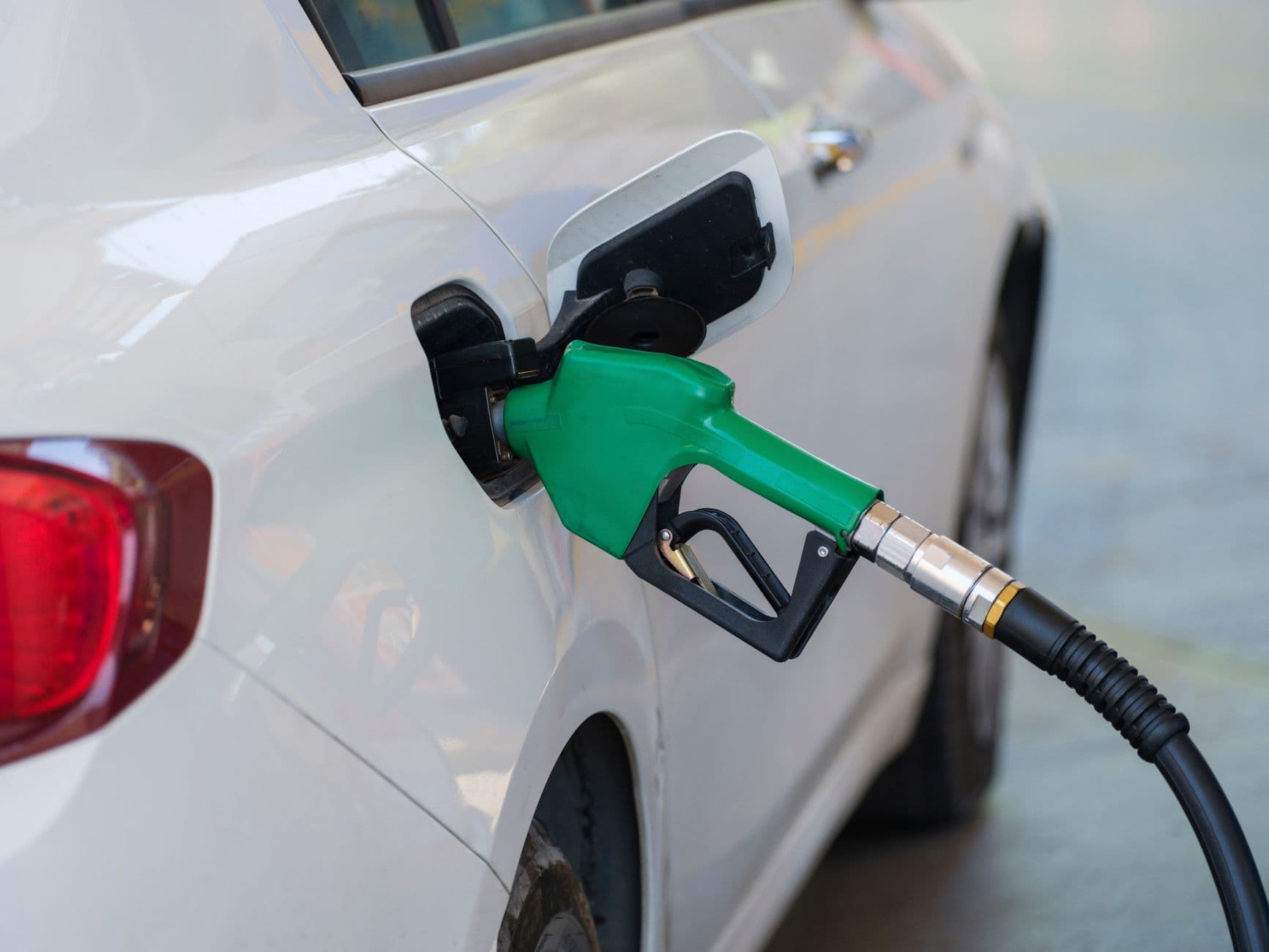
India's average ethanol blending rate is projected at 19.3% for calendar year 2024-25, while cumulative supplies reached about 515 crore litres in the first half of ESY 2025-26. That progress keeps India moving past the E20 milestone, but the harder test is whether higher blends can actually displace petrol at scale when the vehicle fleet, outlet network and feedstock mix are all under strain. NITI Aayog’s roadmap said a successful E20 program could save about US$4 billion a year, or roughly Rs 30,000 crore, against a net petroleum import bill of US$551 billion in 2020-21.
The E20 case is already made
The policy logic for ethanol has not changed. India still wants to cut oil imports, trim emissions and use domestic agricultural output to backstop fuel demand, but the debate has shifted from whether to reach E20 to how far beyond it the market can go. NITI Aayog framed E20 as the base case for savings, but the government’s current direction points to a broader flex-fuel buildout with E22, E25, E27, E30 and even E85 in the mix.
That matters because the economics improve only if the blend actually reaches consumers in usable form. A nominal target on paper does little if the vehicle park is not compatible or if the fuel supply chain cannot move the new product into enough pumps. In other words, India is no longer measuring ambition alone, it is measuring throughput.
Vehicle compatibility is the first bottleneck
A recent MSN report said the plan to raise ethanol blending above 20% affects more than 300 million car and two-wheeler owners whose vehicles are not compatible with the higher blend. LocalCircles added another warning sign: 55% of the vehicle owners it surveyed wanted the option to switch back to E0 or E10, while only 12% wanted to stay with E20. That is a clear signal that consumer acceptance will not automatically follow policy ambition.
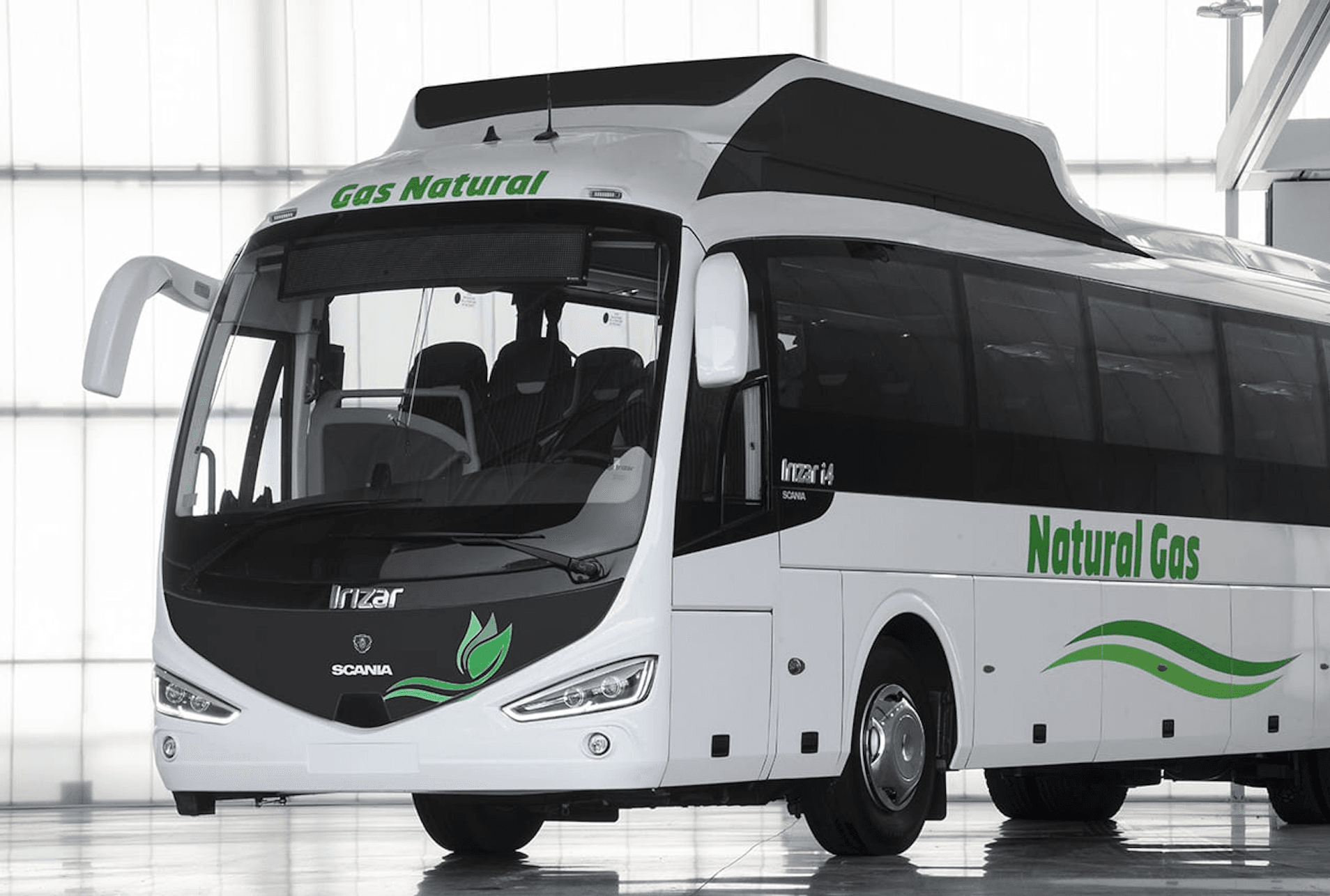
The government has begun to widen the menu. India has launched E85 fuel at 48 outlets, and Maruti Suzuki has introduced a WagonR flex-fuel model. Reuters-republished reporting also said India has allowed production of ethanol from sugarcane juice, syrup and all types of molasses without quantitative restrictions for the 2025/2026 supply year. The policy direction is obvious, build a market for higher blends, but the rollout still runs into the classic chicken-and-egg problem: vehicles need fuel outlets, and fuel outlets need vehicles.
Vehicle-rule changes are part of that push. India has proposed amendments that would formally recognize E85 and E100, which would give automakers and fuel retailers a clearer compliance path. Until that is matched by broader flex-fuel adoption, the market will remain split between aspiration and compatibility.
Feedstock is tightening the constraint
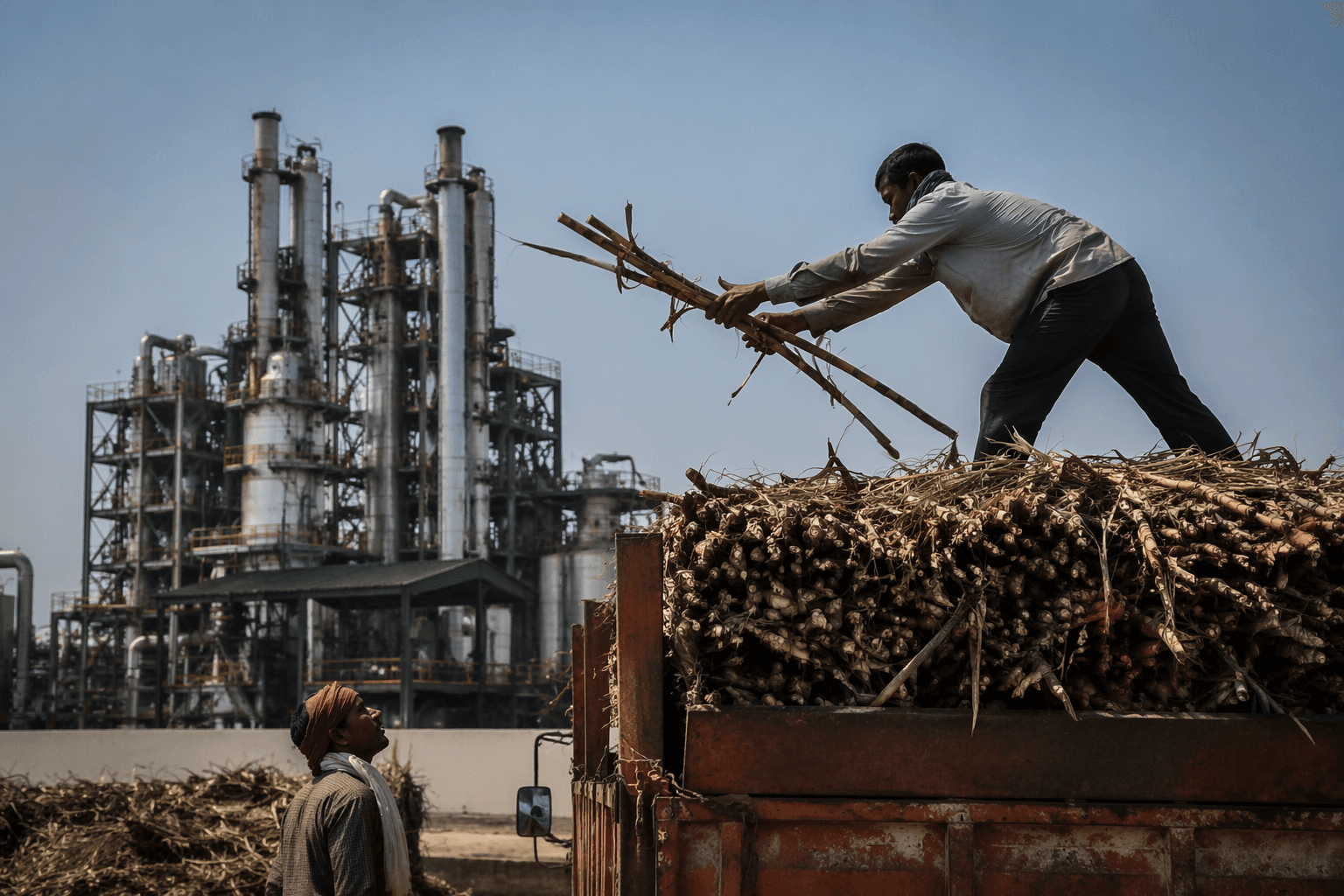
The other choke point is feedstock. Fortune India reported that the government projected sugar-based feedstock at 289 crore litres in ESY 2025-26, or 28% of an estimated 1,050 crore litres of total ethanol output, down from 315 crore litres in ESY 2024-25. Reuters reporting has also said India restricted ethanol production in the current marketing year because sugarcane supplies were lower. That pushes more weight onto maize, rice and other grain-based inputs.
The government has already adjusted the feedstock mix. According to government information released through the Press Information Bureau, it approved 52 lakh metric tonnes of surplus Food Corporation of India rice for ethanol production for ESY 2025-26, and allowed diversion of 40 lakh tonnes of sugar for ethanol production in ESY 2024-25. Reuters-republished reporting also said ethanol production from sugarcane juice, syrup and all types of molasses can proceed without volume restrictions in 2025/2026. Those steps give mills and distillers more room, but they also show how dependent the blending program has become on active allocation decisions.
The shift toward grain-based supply is already visible in the numbers. USDA’s Foreign Agricultural Service projected India’s ethanol blending rate at 19.3% in calendar year 2024-25, supported by sugarcane syrup, B-heavy molasses, damaged food grains, surplus FCI rice and corn. A May 2026 report said cumulative ethanol supplies had reached about 515 crore litres in the first half of ESY 2025-26, and maize had emerged as the largest feedstock. That is a meaningful change in the production mix, but it also raises a fresh question for the market: whether grain availability and farm economics can sustain the shift without crowding out other uses.
What higher blends require next
India’s ethanol story has moved well beyond E20, but the next stage will be decided less by policy slogans than by operational readiness. The country needs more flex-fuel vehicles, more E85 outlets, and a feedstock system that can absorb shocks in sugarcane supply without leaning too hard on grains. Maruti Suzuki’s flex-fuel launch and the rollout of 48 E85 outlets show the direction of travel, but they also underline how early the market still is.
For refiners, distillers and fuel marketers, the key question is no longer whether ethanol has a place in India’s transport mix. It does. The question is whether India can line up vehicle compatibility, outlet coverage and feedstock availability fast enough for higher blends to translate from policy target to actual fuel displacement.
This article was produced by Prism’s automated news system from verified source data, official records, and press releases, then run through automated quality and moderation checks before publishing. The system is built and supervised by the people who set the standards it runs under. Read our full AI policy.
Know something we missed? Have a correction or additional information?
Submit a Tip