Indonesia rolls out centralized export system for palm oil products
Indonesia started single-gate palm oil export reporting on June 1, with full mandatory use due January 1, 2027. US buyers imported 1.3 million metric tons last year.
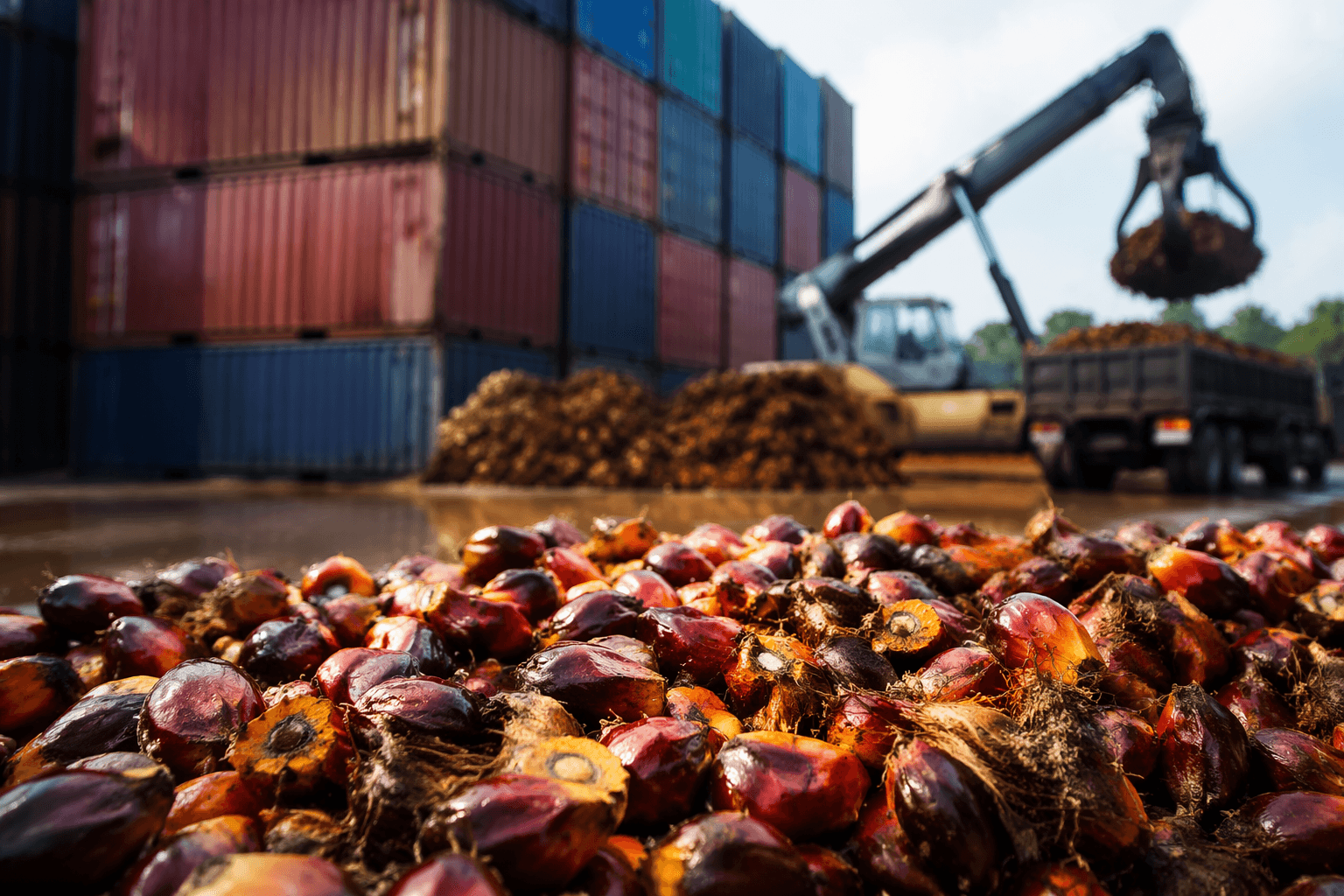
Indonesia on June 1 began phased implementation of a single-gate export system for palm oil products, with mandatory use set for January 1, 2027. PT Danantara Sumberdaya Indonesia, the newly designated state-owned operator, will handle designated exports under the centralized regime.
President Prabowo Subianto announced the policy on May 20 as part of a broader plan to bring strategic natural resource exports under state control and curb under-invoicing. At that announcement, Prabowo said Indonesia had lost as much as US$908 billion over the past 34 years to alleged under-invoicing, a figure used to justify tighter control over export documentation and revenue collection.
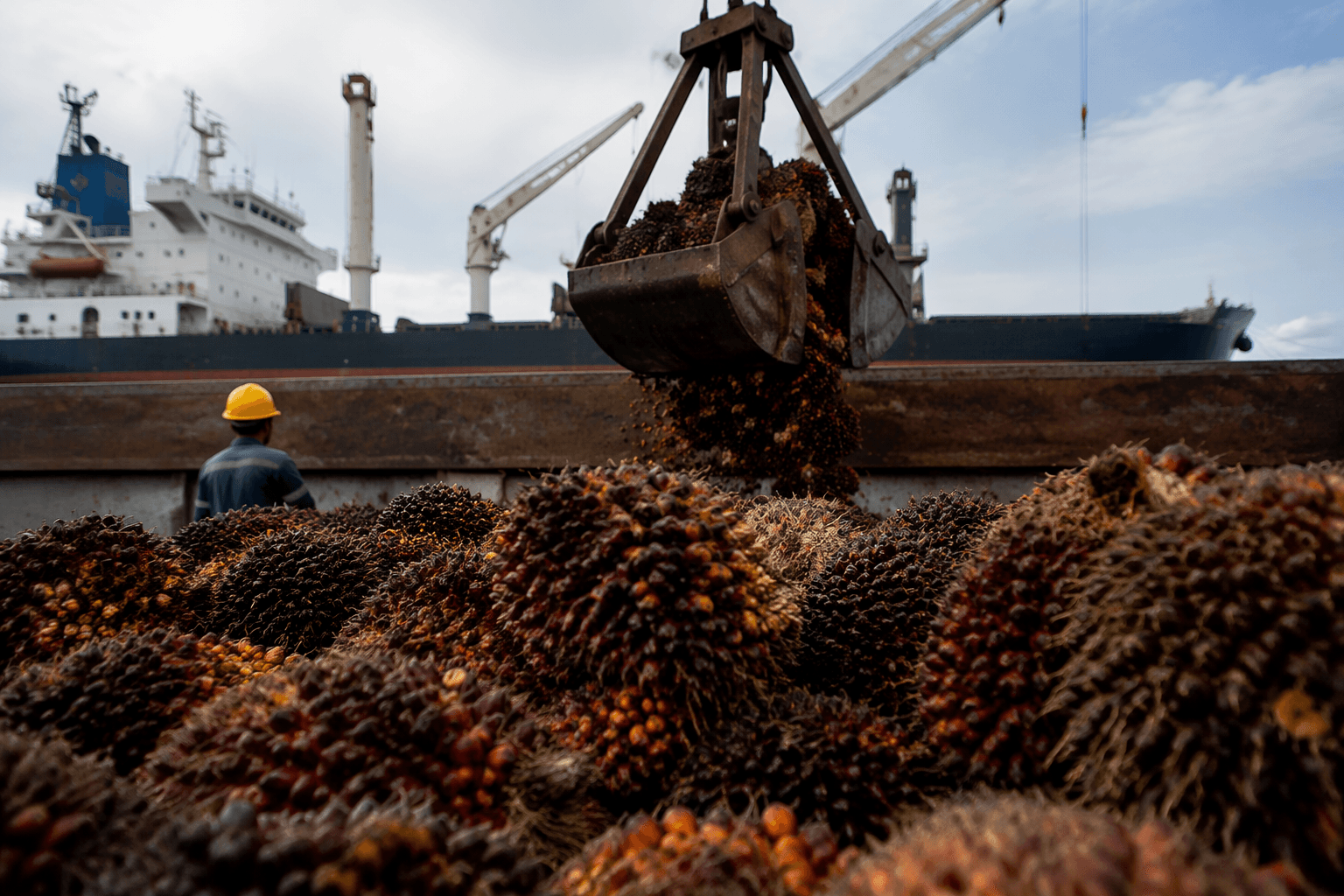
Reuters said technical regulations were issued on June 8 to centralize coal, palm oil and ferroalloy exports, following an earlier plan to route commodity shipments through a state agency. Petromindo said single-gate export reporting for those three commodities had already been launched on June 1 through PT DSI. Reuters also said some palm oil derivatives were later exempted from the centralized export regime, suggesting the rollout is being refined before the January 1 deadline.
The immediate market concern is execution. Reuters said the plan raised fears of supply disruption, and the Palm Oil Association warned against disruption from the new single-gate export policy. Indonesian exporter groups have called for phased implementation, reflecting concern that a single operator could slow documentation, complicate shipment timing and distort price discovery for export cargoes.
The exposure is clearest in the United States. USDA’s June 2026 Foreign Agricultural Service report put the United States fifth among destinations for Indonesian palm oil exports, with imports of 1.3 million metric tons. That volume makes US buyers vulnerable to any delay in permits, customs processing or routing changes as Indonesia shifts more control over palm oil trade into PT DSI’s hands.
Independent commentary has already described the move as Indonesia’s biggest restructuring of palm oil trade since the 2022 export ban. The test now is whether the single-gate system strengthens Jakarta’s bargaining power without creating the bottlenecks and distortions that exporters are already warning about.
This article was produced by Prism’s automated news system from verified source data, official records, and press releases, then run through automated quality and moderation checks before publishing. The system is built and supervised by the people who set the standards it runs under. Read our full AI policy.
Did this article answer your question?