Indonesia sets June biodiesel index price at Rp14,643 per liter
Indonesia lifted its June biodiesel index to Rp14,643 a liter, a monthly benchmark that moves subsidy costs, blending economics and palm-oil-linked fuel policy.
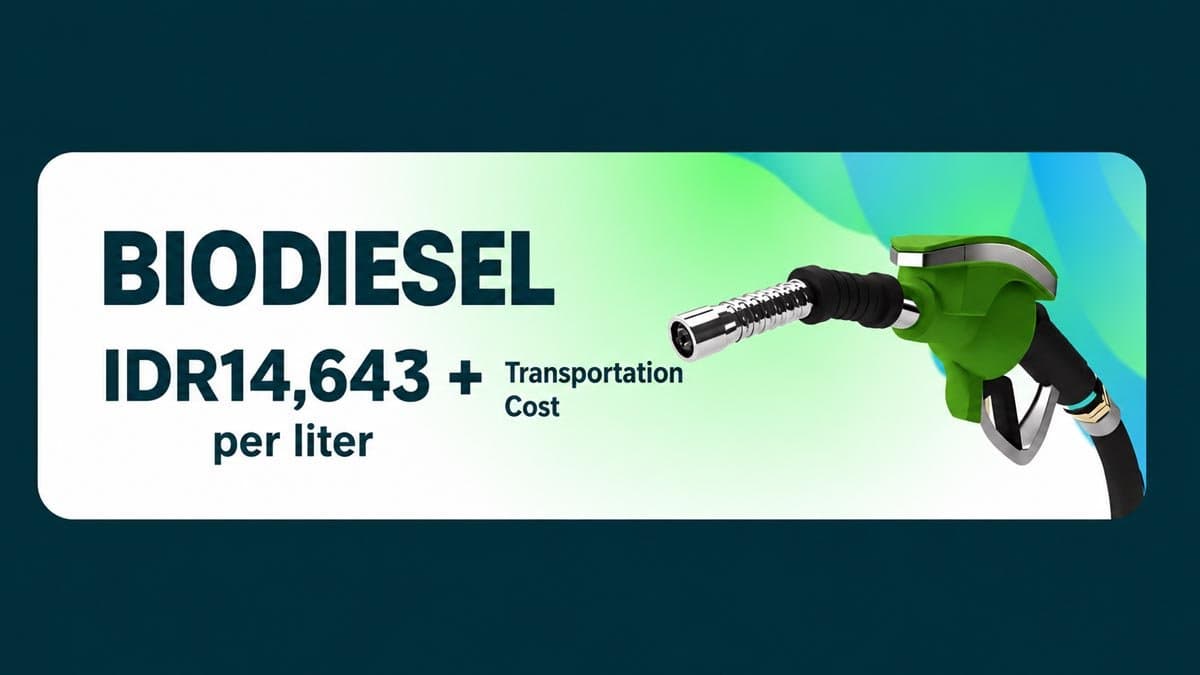
Indonesia’s government on June 6 set the June 2026 market index price for biodiesel at Rp14,643 per liter, with the new reference taking effect June 1. The monthly figure is more than an administrative reset: it helps determine how the country’s mandatory biodiesel program is financed and how crude palm oil prices are translated into fuel economics.
The index excludes transportation costs, which keeps the focus on the underlying fuel value rather than logistics. It is calculated from the average crude palm oil price and the Bank Indonesia middle exchange rate over the reference window, making the benchmark highly sensitive to both commodity moves and currency swings. When palm oil prices rise, or when the rupiah weakens, the biodiesel price reference shifts with them, changing the economics for blenders and the cash flow pressure on the subsidy system.
That matters because Indonesia’s biodiesel mandate sits at the center of the country’s effort to defend energy security and cut diesel imports. The index helps keep the program workable by linking the monthly settlement price to market conditions instead of leaving the blending system to absorb every move in feedstock costs on its own. In practice, a higher reference price can ease the burden on producers and distributors that must supply mandated volumes, while a lower one can relieve subsidy pressure for the government.
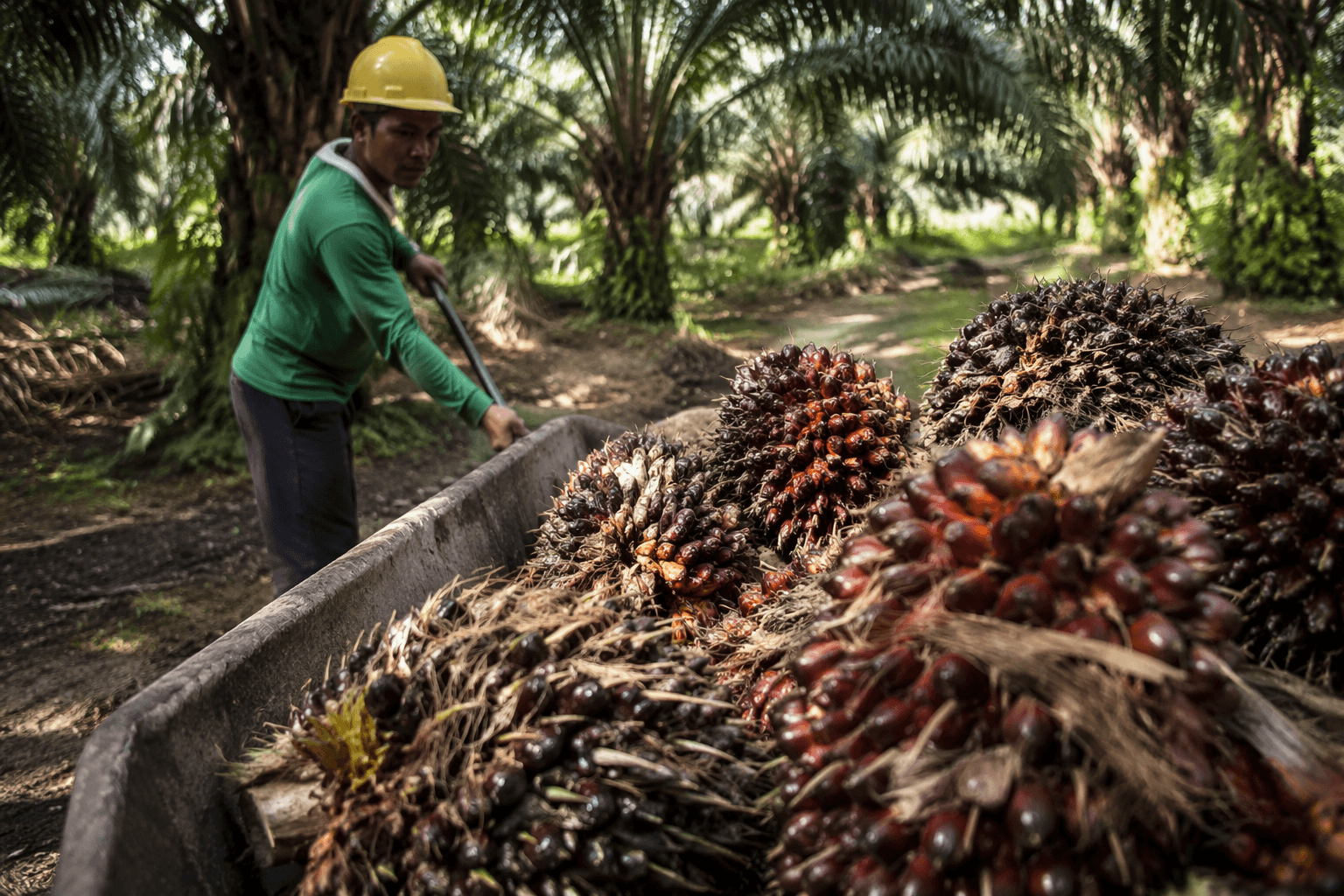
The new June benchmark also reflects how closely Indonesia’s biofuel market is tied to palm oil. Crude palm oil remains the key feedstock, so the biodiesel index moves with the same supply, demand and export signals that shape the broader vegetable oil complex. That makes the monthly reference an important policy signal for traders watching palm oil, renewable diesel and competing fats such as soybean oil and used cooking oil.
For the wider biofuels market, Indonesia’s price-setting system is a reminder that a mature mandate depends on more than blend targets. The durability of the program rests on an underlying price architecture that can absorb shifts in feedstock values and exchange rates without breaking the economics of blending. As long as that formula keeps adjusting, Indonesia’s biodiesel program can continue to function as both a fuel policy and a mechanism for managing palm-oil market pressure.
This article was produced by Prism’s automated news system from verified source data, official records, and press releases, then run through automated quality and moderation checks before publishing. The system is built and supervised by the people who set the standards it runs under. Read our full AI policy.
Know something we missed? Have a correction or additional information?
Submit a Tip