Kiley introduces tax credit bill for new biomass facilities
Kiley’s biomass bill would cover 30% of construction costs and let new plants stack an existing production credit, a rare federal push for forest residue buildout.
Rep. Kevin Kiley on July 16 introduced H.R. 9746, the Biomass Facility Construction Act, a bill creating a 30% construction tax credit for qualifying biomass facilities.
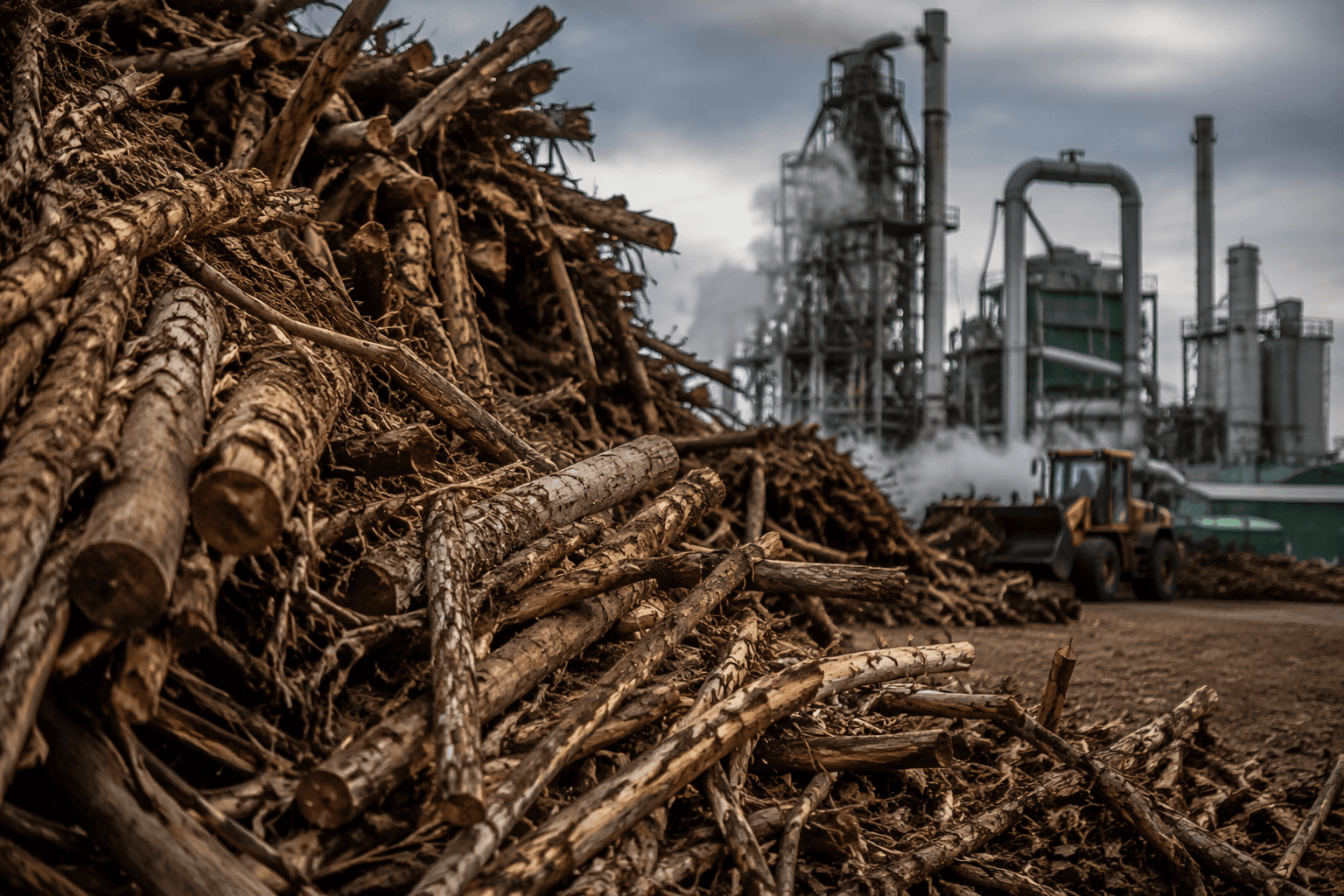
The measure would also let those projects claim the existing tax credit for energy produced from biomass, according to Kiley’s House office page and Congress.gov’s listing for H.R. 9746 in the 119th Congress. Kiley’s office said the bill was intended to encourage construction of new biomass facilities that use organic material such as wood waste or other biomass to produce energy.
The pitch is tied to wildfire mitigation in California, where large volumes of woody debris and other forest biomass must be cleared and managed. Kiley’s office said the legislation was aimed at encouraging new construction through federal tax incentives, and Kiley told a Transportation and Infrastructure hearing that California’s timber industry had collapsed, making forest management more difficult.
The bill’s structure would favor developers that can finance a plant up front and then monetize ongoing biomass output, rather than projects that depend only on residue sales. That matches the operating profile of biomass power, which is already used for heat and electricity but still runs into harvesting, storage and consistent-output problems.
Congress.gov lists H.R. 9746 as a House bill in the 119th Congress, and the proposal would restore access to both a tax investment credit and a tax production credit for certain new biomass energy facilities. For California, where forest residues are often treated as a disposal problem, the legislation tests whether federal credits can make new biomass infrastructure pencil out without other stacked incentives.
This article was produced by Prism’s automated news system from verified source data, official records, and press releases, then run through automated quality and moderation checks before publishing. The system is built and supervised by the people who set the standards it runs under. Read our full AI policy.
Did this article answer your question?