Penn State study finds fungicide-treated soybean seeds often fail to pay off
Penn State found fungicide-treated soybean seed often failed to cover its own cost, with returns most likely only when treatment was cheap and soybean prices were firm.
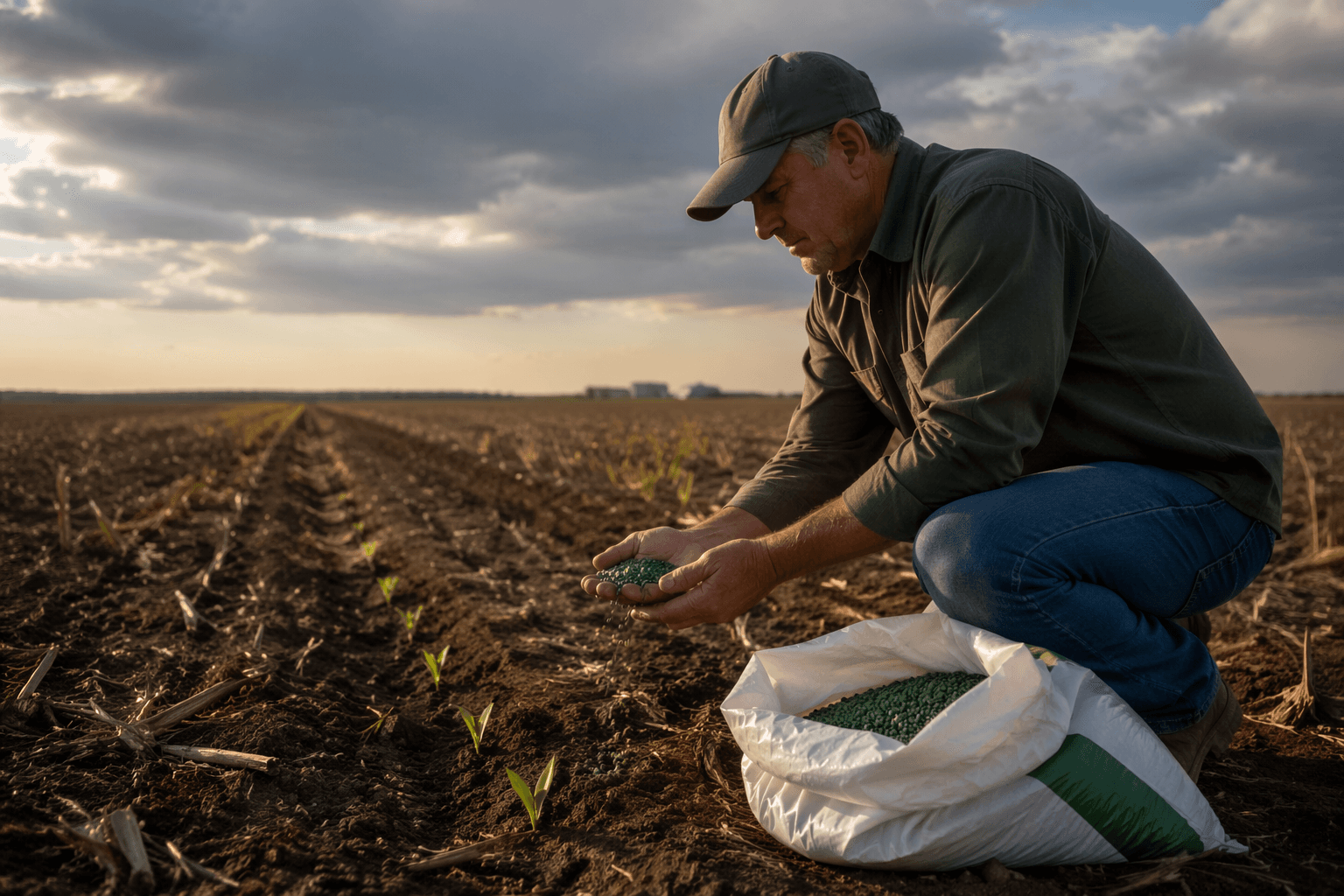
Fungicide-treated soybean seed often did not pay for itself in Penn State’s analysis, even though many growers buy it to protect yields. The finding matters beyond the farm gate: if growers can trim seed-treatment costs without giving up bushels, that can improve soybean margins and shift the economics of feedstock supply for crushers and biodiesel producers.
Researchers said yield gains from treated seed were modest and usually did not offset the added cost. The financial upside was most likely when seed-treatment costs were low and soybean prices were high, a narrow window that left profitability uncertain overall. Paul Esker, a professor of epidemiology and of field crop pathology in Penn State’s College of Agricultural Sciences and an affiliate of the Plant Institute in the Huck Institutes of the Life Sciences, said growers should reserve treated seed for specific high-risk situations or verify a positive return on investment before buying in.
The study, published in Scientific Reports on April 6, 2026, combined randomized controlled trials with large-scale on-farm observational data from 10 Midwest states. The observational data covered three growing seasons, from 2014 to 2016, and the researchers said the design was meant to move beyond correlation and toward the kind of management question farmers actually face: does the treatment earn back its cost?
Penn State said the practice has expanded sharply over time. About 8% of soybean seed was treated with fungicide in 1996, and that share climbed to 60% to 75% by 2015. The researchers warned that unnecessary fungicide use could also affect beneficial microbes in seeds and soil, adding another cost to a treatment that often did not deliver a clear economic return.
For soybean growers, the message was straightforward: the best profit lever may be lower input costs, not a blanket assumption that treated seed will lift margins. For the downstream oilseed and biofuels markets, that points back to the same basic question that drives crush economics and biodiesel feedstock decisions, how much it costs to produce the bushels that ultimately become soybean oil, meal and fuel. Penn State publicized the findings on May 27, 2026, underscoring a conclusion that could ripple from seed buying decisions to the long-run cost structure of the soybean complex.
This article was produced by Prism’s automated news system from verified source data, official records, and press releases, then run through automated quality and moderation checks before publishing. The system is built and supervised by the people who set the standards it runs under. Read our full AI policy.
Know something we missed? Have a correction or additional information?
Submit a Tip