Perdue tests first U.S. livestock trucks powered by 100% biodiesel
Perdue put six Volvo trucks on B100 to haul fresh chicken, the first known biodiesel truck deployment in U.S. livestock freight. The fleet will be judged on uptime and emissions.
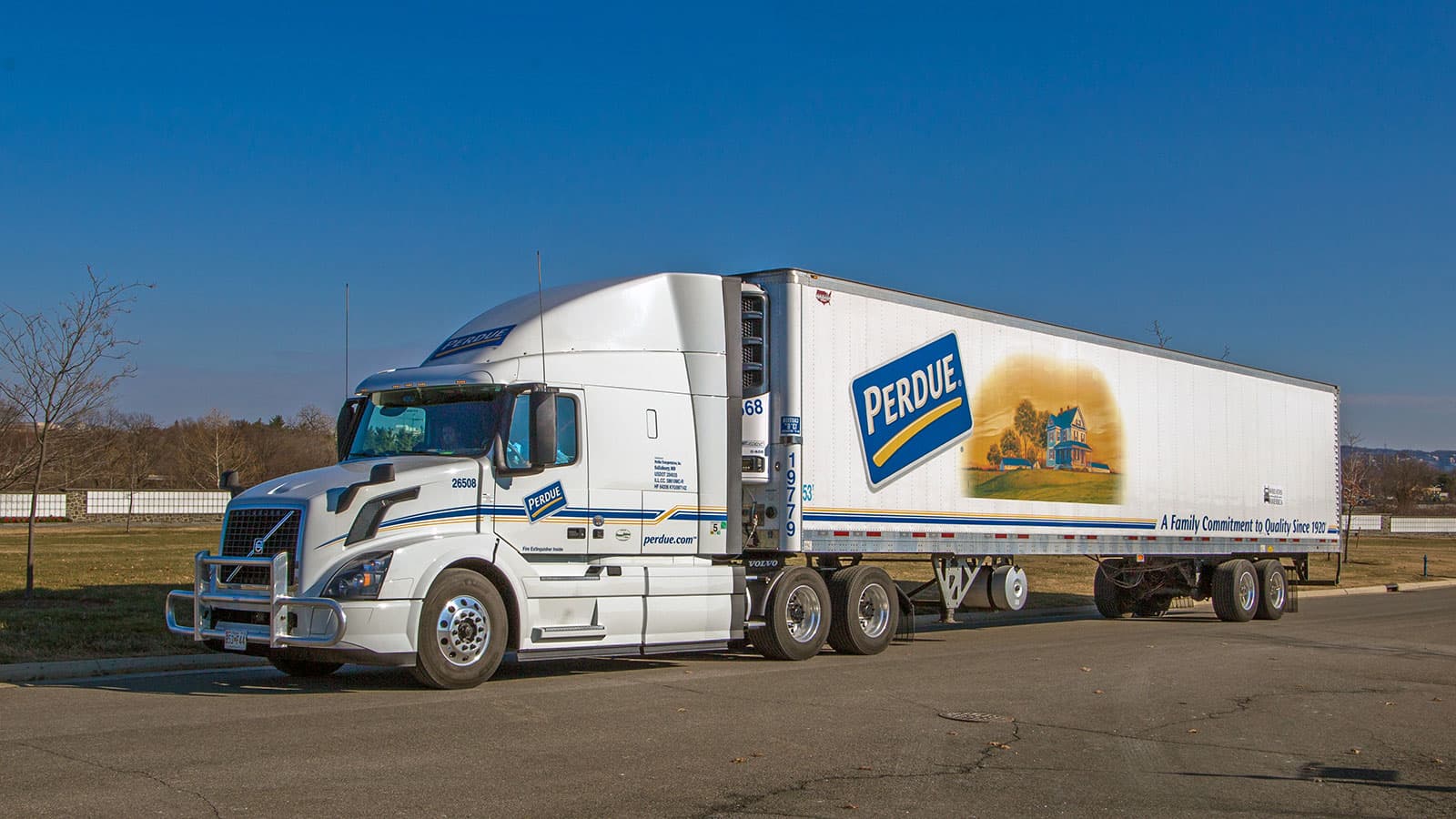
Perdue Farms on May 29 deployed six Volvo trucks running on 100% biodiesel to haul fresh chicken across its supply chain. The company called it the first known use of B100-fueled trucks in the U.S. livestock sector.
The fuel comes from American-grown soybeans, including beans sourced from Perdue Farms’ own farmer network, tying the trucks to a domestic feedstock chain that runs from the field to refrigerated freight. The deployment is being carried out with the Maryland Soybean Board and Optimus Technologies, whose Vector System allows diesel engines to operate on B100.
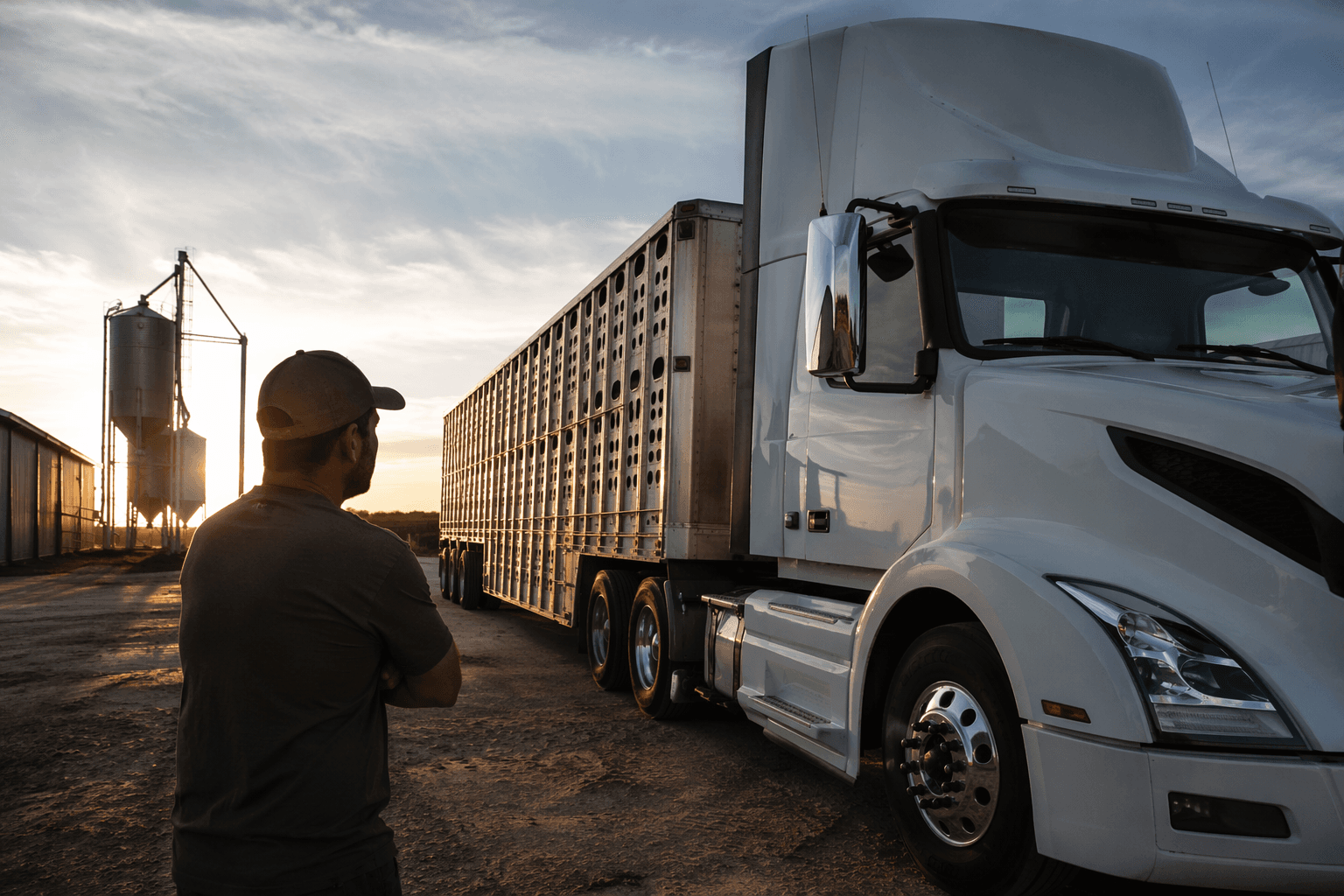
Perdue cast the project as both a transportation test and a supply-chain link. Ben Hildebrand, Perdue’s director of environmental sustainability, said the trucks connect independent family farmers to lower-emission transportation while the company continues moving food. Eddie Boyle, chair of the Maryland Soybean Board, said the effort creates new demand for soybeans and cleaner transportation links to the food system. Colin Huwyler, chief executive of Optimus Technologies, said using B100 in livestock transportation shows renewable-fuel technology can cut emissions in a hard-to-decarbonize sector where reliability and uptime still matter.
Perdue said B100 can reduce lifecycle greenhouse-gas emissions by more than 70% versus conventional diesel. The U.S. Department of Energy’s Alternative Fuels Data Center says biodiesel can deliver sizable emissions benefits, while engines still must meet U.S. Environmental Protection Agency tailpipe standards regardless of fuel choice. The International Council on Clean Transportation has also found biodiesel can lower particulate matter, carbon monoxide and hydrocarbon emissions, while some operating conditions can increase nitrogen oxides.
The company will now measure how the six-truck fleet performs before deciding whether to add more units and extend renewable fuel use on other routes. That evaluation will sit alongside Perdue’s broader carbon work: the company’s FY2025 environmental reporting said it cut greenhouse-gas intensity by 11% from FY2024, after a decade of tracking Scope 1 and 2 emissions and working to capture Scope 3 as well. Optimus said in January 2025 that more than 1,000 trucks had been equipped and operating with its Vector System, a scale that now puts Perdue’s livestock fleet in the middle of a wider commercial test.
This article was produced by Prism’s automated news system from verified source data, official records, and press releases, then run through automated quality and moderation checks before publishing. The system is built and supervised by the people who set the standards it runs under. Read our full AI policy.
Know something we missed? Have a correction or additional information?
Submit a Tip