Reciprocal Brazil tariffs seen as boost for ethanol, mixed for beef
The U.S. put a 25% tariff on some Brazilian goods and exempted beef, while ethanol remains caught in a 2.5% versus 18% tariff fight.
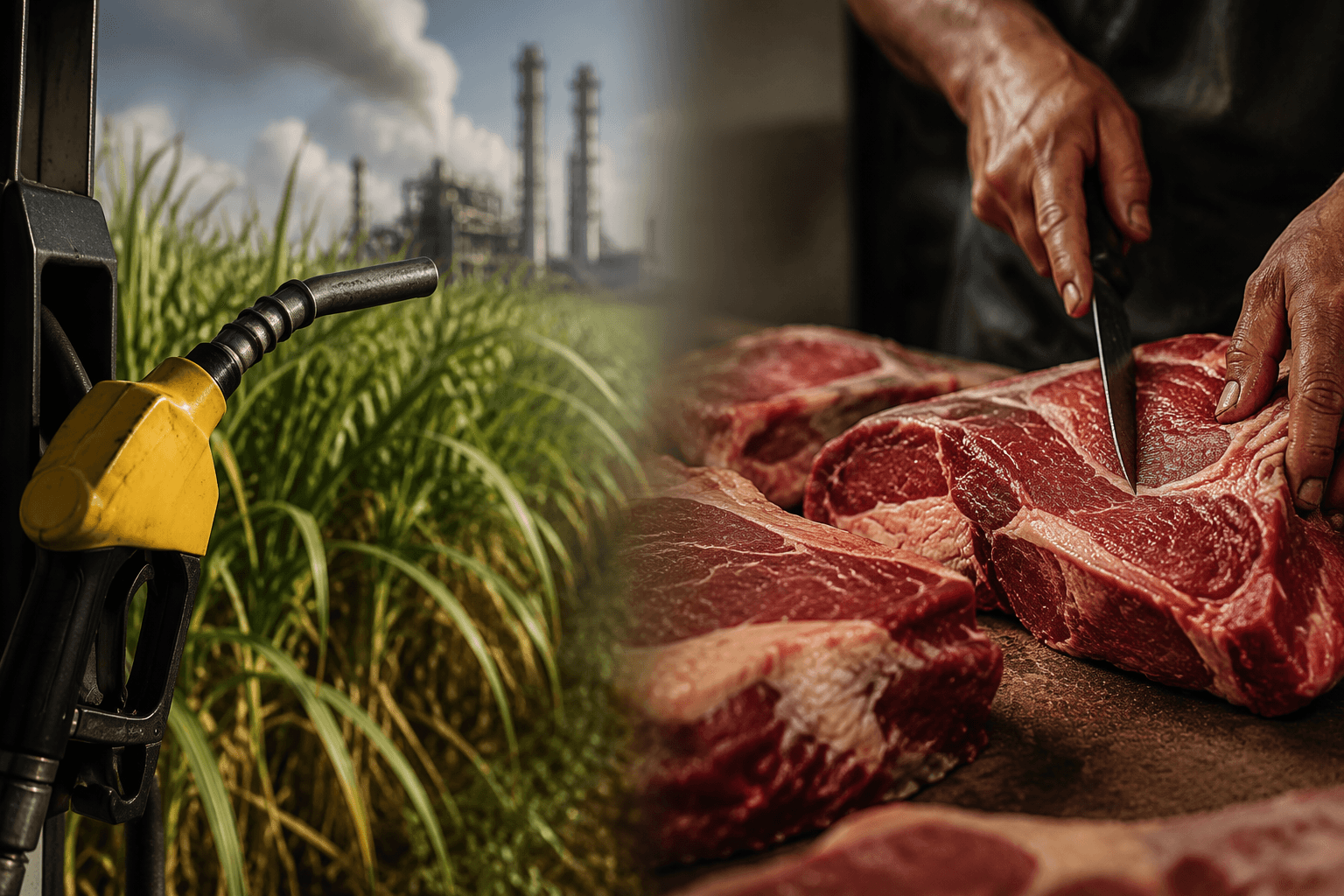
The U.S. on July 16 imposed a 25% tariff on some Brazilian goods, while exempting beef and coffee. The Section 301 action under the Trade Act of 1974 kept ethanol at the center of the broader U.S.-Brazil trade fight.
Brazilian ethanol has carried the sharper imbalance. In February 2025, the U.S. tariff on ethanol stood at 2.5%, while Brazil charged 18% on U.S. ethanol exports. The Renewable Fuels Association said Brazilian-made ethanol has enjoyed virtually duty-free access to the U.S. market since 2012, while Brazil kept tariffs and other trade barriers on U.S. ethanol. The U.S. Trade Representative opened a Section 301 investigation into Brazil's ethanol tariffs in July 2025, and the RFA said Brazil's tariff regime was punitive and not fair or reciprocal trade.
Brazil briefly considered cutting its ethanol import tax in February 2025, but later held its tariff stance. The National Corn Growers Association said in August 2025 that Brazil's ethanol tariff burdened U.S. commerce, underscoring how corn growers have backed a tougher response. The United States imported virtually no Brazilian ethanol when the July 16 tariff action landed, so the immediate ethanol issue is leverage and access, not displaced fuel supply.
Beef sits on a different timetable. The July 16 package left beef outside the tariff hit, even as some other Brazilian exports faced the new 25% duty. That split gives ethanol advocates a cleaner reciprocity argument than it gives cattle interests, because the U.S. already faces Brazil’s 18% ethanol barrier while Brazilian beef escaped the new tariff round.
This article was produced by Prism’s automated news system from verified source data, official records, and press releases, then run through automated quality and moderation checks before publishing. The system is built and supervised by the people who set the standards it runs under. Read our full AI policy.
Did this article answer your question?