RFS credit prices trend lower as biofuels compliance costs ease
RINs are down 45% from the start of the year, easing refinery compliance costs. EIA ties the slide to cheaper feedstocks and record renewable diesel credit generation.
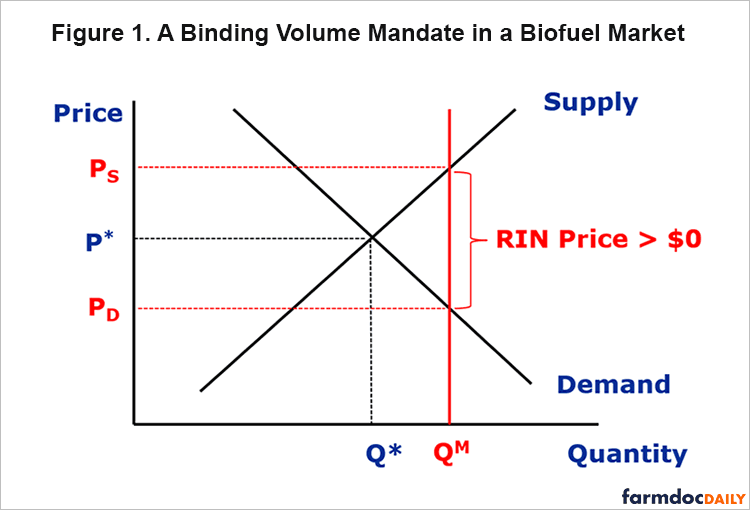
Biomass-based diesel and ethanol compliance credit prices declined 45% from the start of the year, the U.S. Energy Information Administration found. The drop eases Renewable Fuel Standard compliance costs for obligated refiners, while trimming the credit support that helps ethanol and biodiesel margins when blending demand softens.
What is pushing RINs lower
Lower costs for agricultural feedstocks relative to petroleum fuels are the first driver. RIN values sit at the intersection of physical fuel economics and policy demand: when feedstocks cheapen and petroleum prices stay high enough to keep blending attractive, the market needs less credit value to pull gallons into the system.
Record-high credit generation from renewable diesel production should also keep prices subdued. More renewable diesel output means more D4 credits circulating in the market, which can outpace near-term compliance demand and leave fewer reasons for refiners and blenders to chase higher prices. Low RIN prices can decrease biofuel profit margins and reduce the incentive to blend more biofuels, a direct hit to the extra margin that often supports ethanol and biomass-based diesel plants.
For refiners and other obligated parties, lower RINs work in the opposite direction. Cheaper credits reduce the cost of satisfying annual RFS obligations, which can free up cash and narrow the spread between regulated compliance expense and the underlying fuel barrel. For producers that rely on stronger credit values to bolster crush margin, the same move removes a layer of support.
How the market has moved before
EPA’s RIN Trades and Price Information is the official market reference for Renewable Fuel Standard credits. Its historical data show D4 and D6 RIN prices were around $0.50 per RIN for much of 2019 and 2020, then rose to about $1.50 per RIN from 2021 through 2023, before falling back toward about $1.00.
The data also show that RIN prices for D4, D5 and D6 were generally stable during 2016, averaging between $0.50 and $1.00 per RIN. The market has repeatedly moved from quiet trading to a higher compliance-cost regime and then back again as feedstock economics, renewable diesel output and policy expectations changed.
Who gains, who loses
Cheaper RINs tend to help obligated refiners first. A lower compliance bill improves the economics of running a refinery or blending terminal that needs to retire credits against renewable volume obligations. It also reduces the premium refiners must pay if they fall short on blending or credit holdings.
Biofuel producers see the other side of that trade. Ethanol plants and biomass-based diesel producers often benefit when RIN values are strong because the credits support the total margin stack, not just the physical fuel price. When those values fade, the blend incentive weakens and the market leans harder on the underlying fuel spread, which can be less forgiving when petroleum prices are volatile.
Lower agricultural feedstock costs point directly to corn, soybean oil and other raw material markets that feed the biofuels complex. When the credit market softens at the same time feedstock economics change, the profitability equation becomes tighter for plants that depend on both low input costs and strong policy value.
Policy still sits under the market
Clean Fuels Alliance America asked EPA in 2024 to adjust the biomass-based diesel, advanced and total renewable fuel volumes for 2024 and 2025. The credit market still depends on how much compliance demand the agency sets. If volumes move higher, D4 demand can tighten; if they stay modest, the market can remain long credits.
EPA’s 2022-2025 RFS rulemaking materials still shape compliance demand for traders, refiners and producers alike. RIN prices reflect whether supply, demand and mandate levels are balanced enough to force refiners to bid up credits or leave biofuel plants without the margin lift they need.
The retail gasoline debate stays alive
The Renewable Fuels Association argues RFS compliance credits do not affect retail gasoline prices, while acknowledging that they can factor into wholesale gasoline prices. Oil refiners have repeatedly criticized RFS credit costs, arguing that they raise their compliance burden even when the physical fuel market is already tight.
When RIN prices fall, refiners see relief and biofuel producers lose some margin support. When they rise, the balance flips.
This article was produced by Prism’s automated news system from verified source data, official records, and press releases, then run through automated quality and moderation checks before publishing. The system is built and supervised by the people who set the standards it runs under. Read our full AI policy.
Did this article answer your question?