S-OIL launches bio-shipping oil supply in South Korea
S-OIL started B30 VLSFO supply in Ulsan, blending 30% sustainable biofuel into conventional bunker fuel. The fuel is aimed at ships that want lower-carbon bunkering without equipment changes.
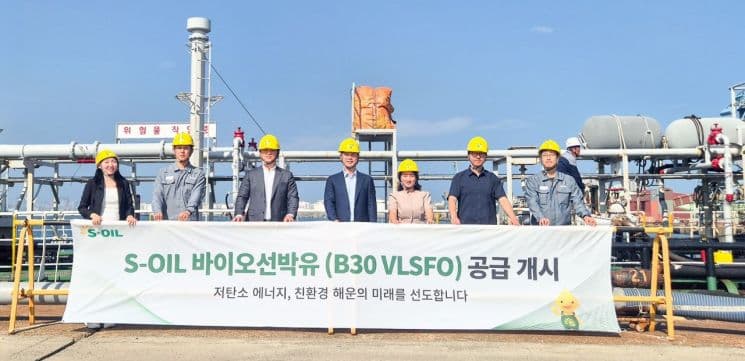
S-OIL on July 22 launched B30 VLSFO supply in South Korea, a marine bunker blend containing 30% sustainable biofuel.
The move puts South Korea’s fourth-largest oil refiner into commercial bio-shipping oil supply as international shipping faces tighter decarbonization pressure. S-OIL said the fuel combines conventional very low-sulfur fuel oil with sustainable biofuel, creating a lower-carbon bunker option that fits existing marine fuel operations.
The company’s main commercial edge is in Ulsan, where it said the value chain from raw material procurement to blending and supply is already in place. That matters for shipowners looking for repeat bunker availability rather than one-off trial volumes, because the same hub can handle feedstock sourcing, fuel blending and delivery in one industrial area.
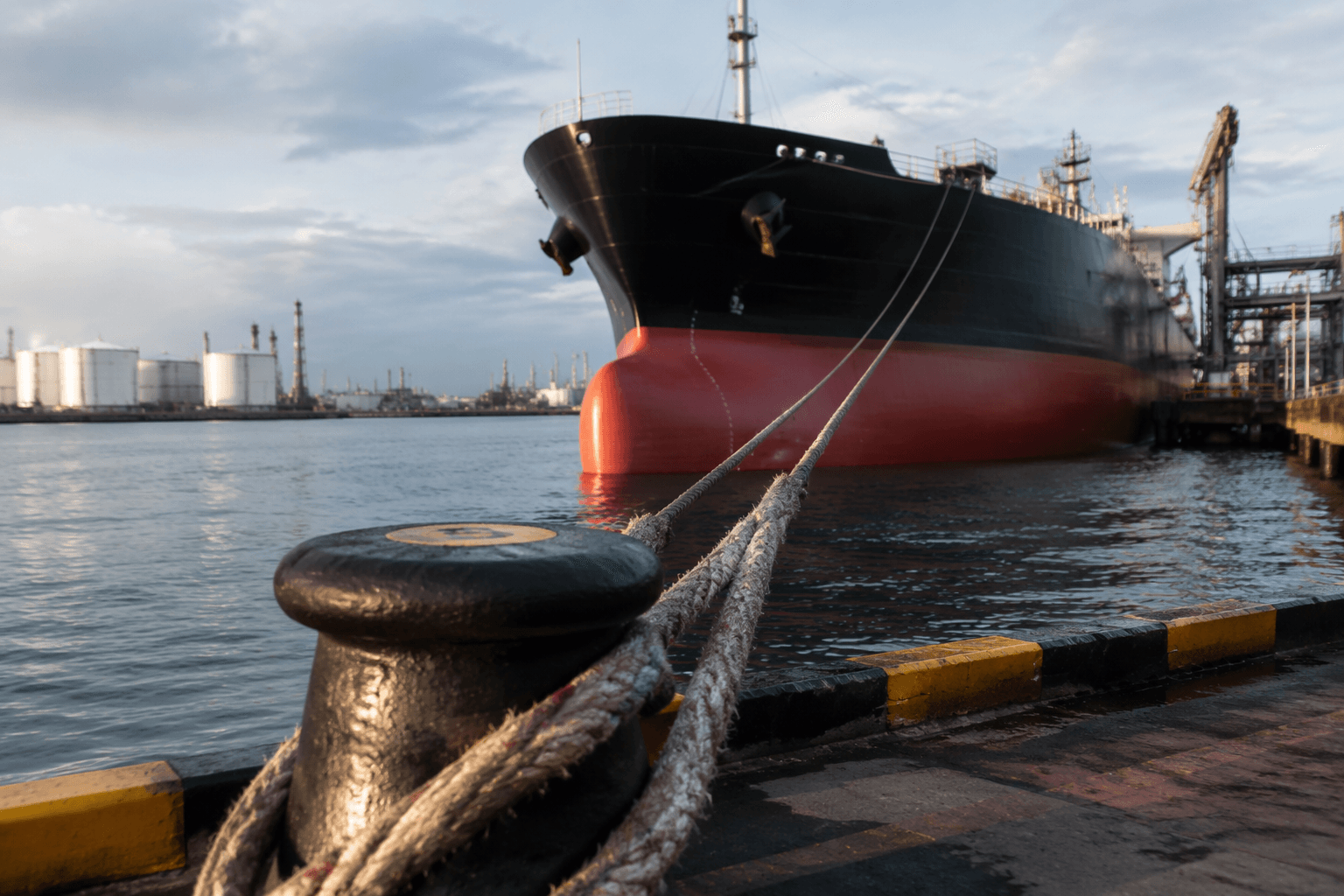
Manifold Times reported that B30 VLSFO can be used without modifications to existing equipment. For operators, that removes one of the main barriers to switching from conventional VLSFO, since the blend is designed to slot into current engines and bunker systems instead of requiring a retrofit. The product label itself, B30, signals the blend level: 30% biofuel and 70% conventional fuel oil.
The launch also gives South Korean bunkering a more visible role in the regional biofuel market. With Ulsan serving as the supply base, S-OIL is positioning bio-shipping oil as a routine marine fuel offering rather than a niche test product. The practical test now is whether the company can keep B30 available through a stable local supply chain and price it close enough to conventional VLSFO to win regular liftings from shipowners chasing lower-carbon fuel options.
This article was produced by Prism’s automated news system from verified source data, official records, and press releases, then run through automated quality and moderation checks before publishing. The system is built and supervised by the people who set the standards it runs under. Read our full AI policy.
Did this article answer your question?