Southwest Airlines expands sustainable aviation fuel push with new partnerships
Southwest tied $30 million to LanzaJet and bought SAFFiRE Renewables, pairing supply deals with feedstock and plant capacity for SAF.

Southwest Airlines on Feb. 28 launched Southwest Airlines Renewable Ventures and committed $30 million to LanzaJet, adding capital to its sustainable aviation fuel portfolio.
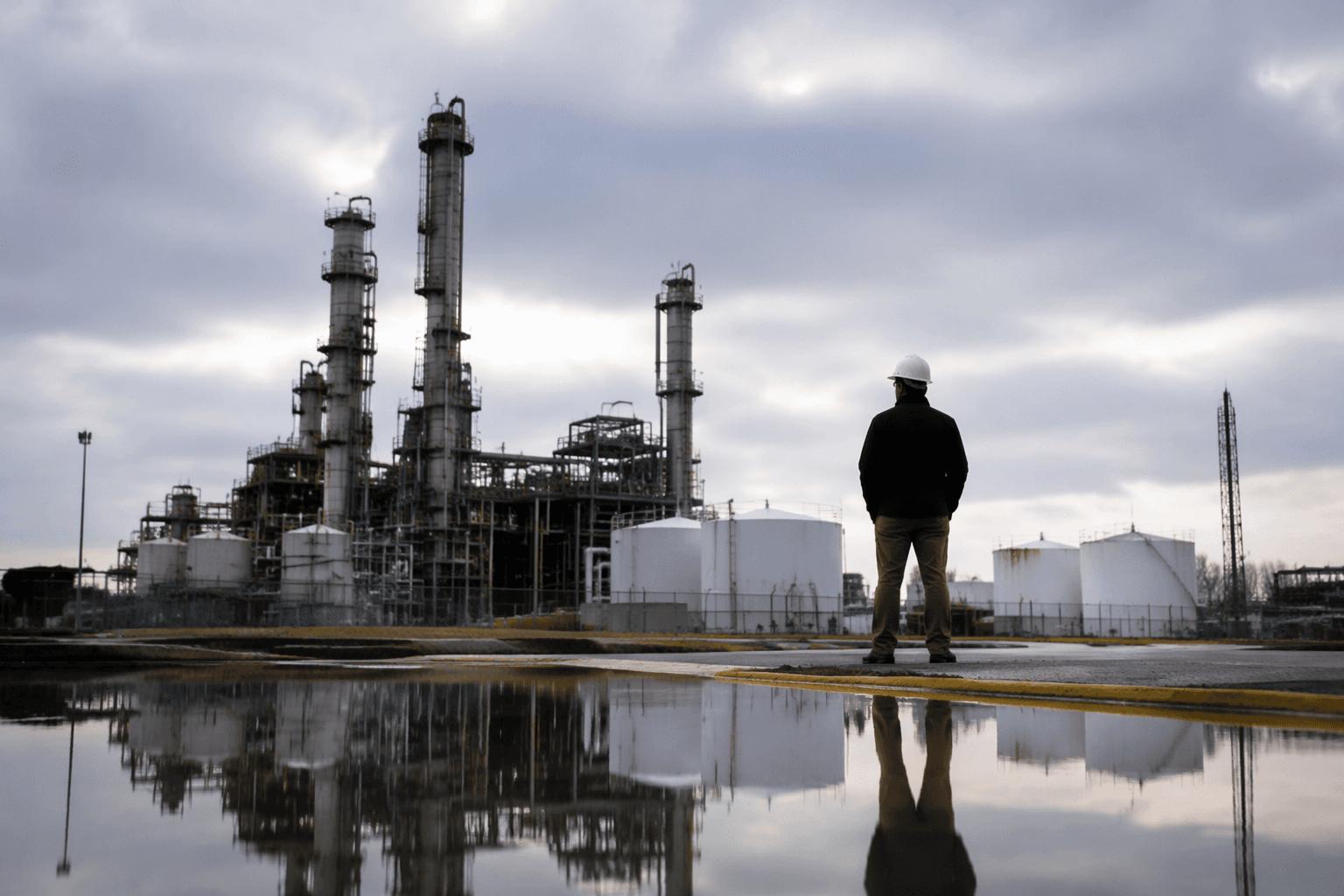
The investment was meant to accelerate LanzaJet’s growth and support U.S. SAF production. LanzaJet operates the world’s first ethanol-to-SAF commercial plant, and Southwest has made SAF a key part of its Path toward Net Zero by 2050, calling the fuel a fully certified drop-in when blended with conventional jet fuel under industry standards.
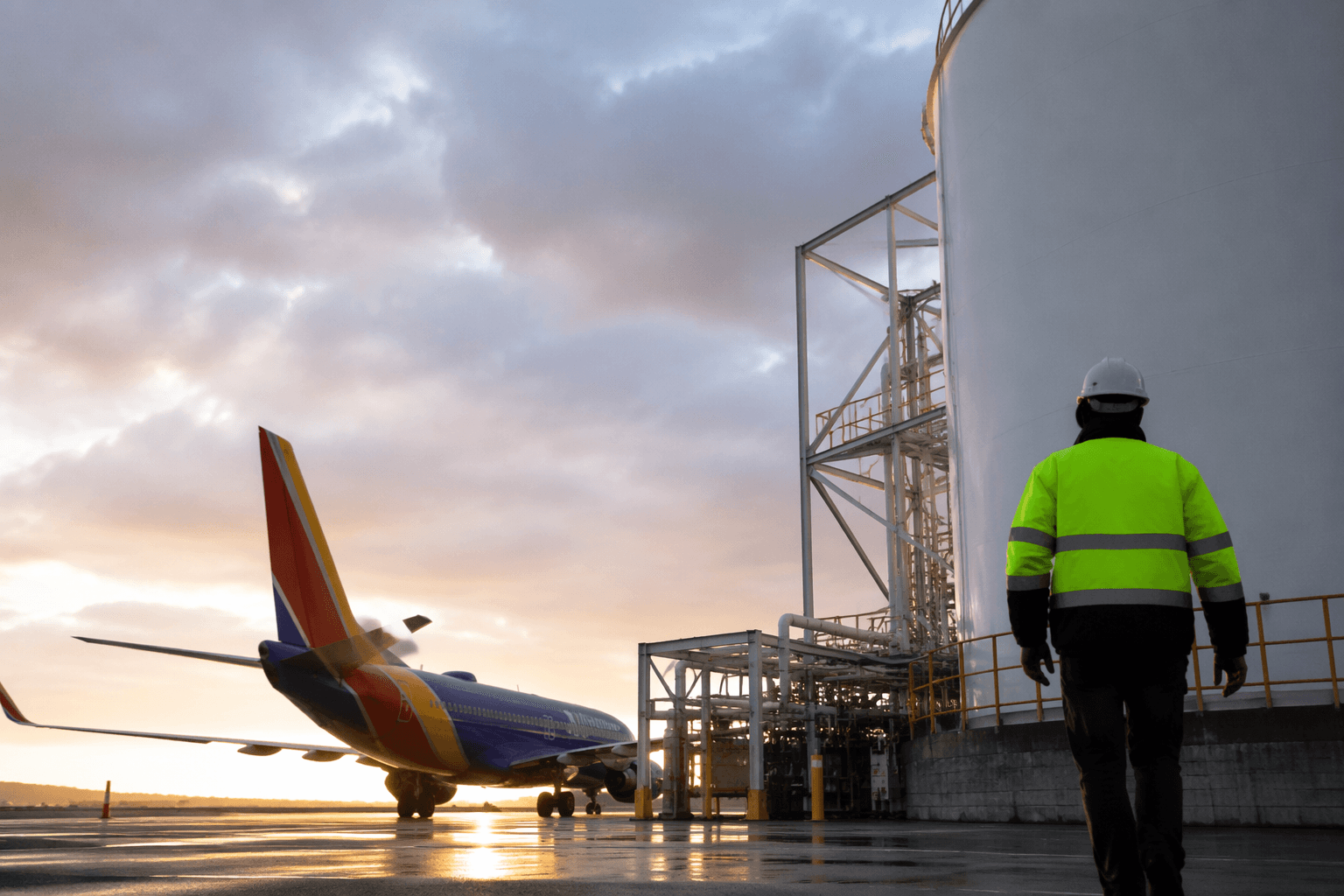
Southwest widened that push on March 28, when it acquired SAFFiRE Renewables as part of SARV’s investment portfolio. The project is tied to U.S. Department of Energy support for developing scalable renewable ethanol from corn stover, an agricultural residue feedstock that can be upgraded into SAF. Its pilot plant will be hosted at Conestoga’s Arkalon Energy ethanol facility in Liberal, Kansas, and Southwest said the pilot unit would be capable of processing 10 tons of corn stover a day. Southwest said the process could produce fuel with at least 83% lower emissions than conventional jet fuel on a lifecycle basis.
In November 2023, Southwest signed a 20-year offtake agreement with USA BioEnergy for up to 680 million gallons of neat sustainable aviation fuel, which the airline said was expected to begin supply in 2028. Southwest added an airport-specific supply deal on Oct. 17, 2024, when it announced a SAF agreement with Valero for Chicago Midway International Airport. Southwest called it Illinois’ largest SAF supply agreement and said it would deliver the highest volume of SAF announced to date in the state.
This article was produced by Prism’s automated news system from verified source data, official records, and press releases, then run through automated quality and moderation checks before publishing. The system is built and supervised by the people who set the standards it runs under. Read our full AI policy.
Did this article answer your question?