Spain, Maersk plan up to 2 million tons of green fuels annually
Spain and Maersk put 2 million tonnes of green fuels a year on the table, with e-methanol and bunkering infrastructure at the center of the plan.
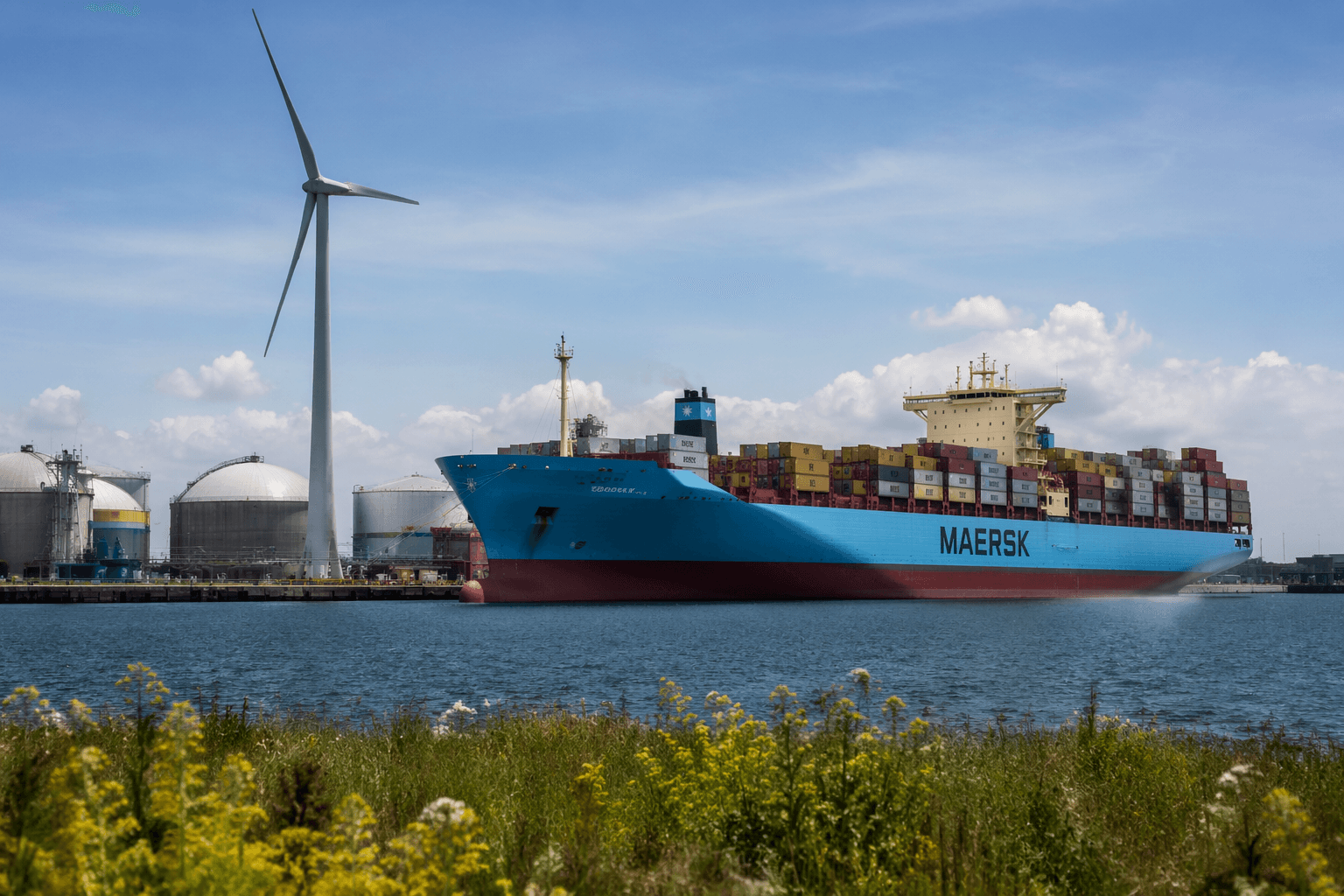
Spain and A.P. Moller - Maersk have put up to 2 million tonnes of green fuels a year on the table, in a deal meant to cover the full value chain from renewable energy sources to vessel bunkering. The protocol, signed Nov. 3, 2022, was pitched as a way to turn Spain’s energy-transition agenda into supply for alternative marine fuels, not just policy language.
The Spanish government said the talks fit its wider push to build zero-emission industrial capacity and that Spain had been selected as one of Maersk’s key countries in its decarbonization plans. In a follow-on statement, Madrid said the project could generate up to 2 million tonnes of e-methanol by 2030 from green hydrogen produced at renewable-energy plants in Spain. That puts the focus on what the country can actually supply at scale: renewable electricity, electrolysis capacity, green hydrogen logistics and coastal infrastructure able to move product from plant to port.
For Maersk, the logic is straightforward. The carrier has said shipping burns more than 300 million tons of fossil fuels a year and is responsible for about 3% of global carbon emissions. The company has also set a net-zero target for 2040, making green methanol and other low-carbon bunker fuels central to its fleet strategy. The protocol reads as both a sourcing play and a hedge, giving Maersk a way to help shape supply while it secures options for future vessels.
The deal later flowed into a separate project in Huelva, where Cepsa and C2X in December 2023 announced plans for what they described as Europe’s largest green methanol plant. The site was framed as a follow-on to the 2022 protocol and was slated for an annual capacity of about 300,000 tonnes, with a possible maximum of 380,000 tonnes. The project carried an estimated investment of up to €1 billion and was expected to create about 2,500 jobs.
That Huelva plan is the clearest test case for whether Spain can move from memorandum to bankable industrial buildout. The key question is no longer whether green marine fuels fit the rhetoric of decarbonization, but whether Spain can line up enough renewable power, green hydrogen, port handling and offtake to support production measured in millions of tonnes rather than pilot volumes.
This article was produced by Prism’s automated news system from verified source data, official records, and press releases, then run through automated quality and moderation checks before publishing. The system is built and supervised by the people who set the standards it runs under. Read our full AI policy.
Know something we missed? Have a correction or additional information?
Submit a Tip