Study finds bariatric surgery can raise alcohol peak levels
Bariatric surgery has been tied to faster ethanol absorption and higher peaks, and a Nature BAR-trial paper tracks RYGB and sleeve gastrectomy over three years.
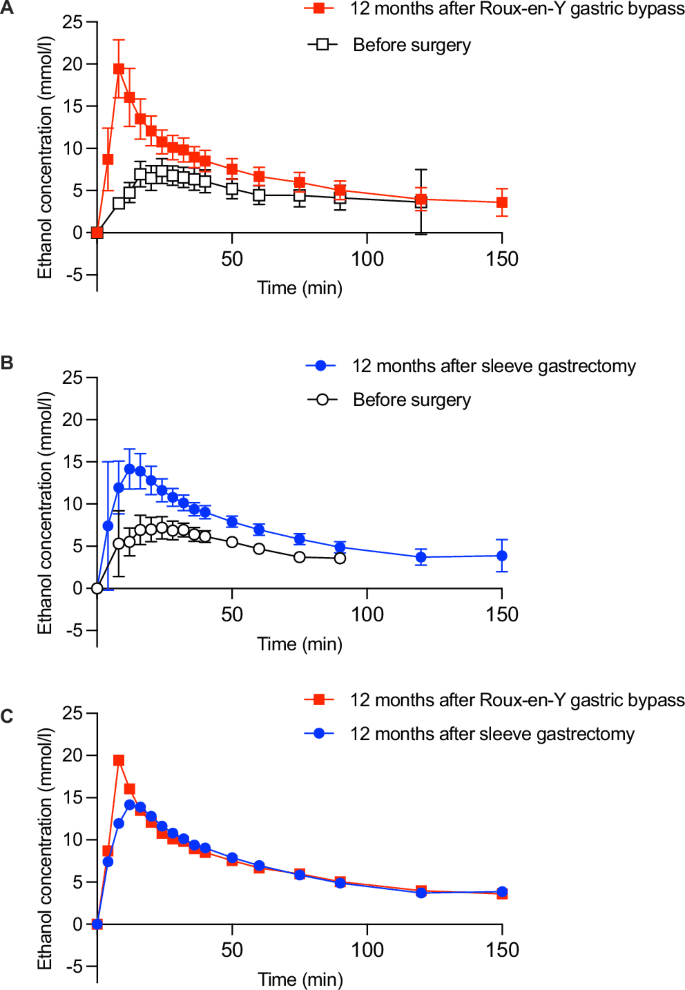
Bariatric surgery can push peak beverage-ethanol levels higher after Roux-en-Y gastric bypass, and St. Olavs Hospital researchers are comparing that shift with sleeve gastrectomy over three years. The Nature paper sits inside BAR-trial, a Trondheim, Norway program led by Magnus Strømmen, with Ola Dale and Bård Erik Kulseng among the collaborators.
The Norwegian Research Information Repository lists BAR-trial, titled “Endringer i biotilgjengelighet og effekt av etanol etter bariatrisk kirurgi,” as running from 14 April 2013 to 30 December 2019 and marks it finished. St. Olavs Hospital’s bariatric surgery observation programme says the operation remains the most effective treatment for severe obesity, but adverse effects are frequent, which is why post-op alcohol pharmacokinetics have drawn sustained attention.
The clinical concern is simple: faster absorption can mean a higher and earlier intoxication peak from the same drink. Earlier research had already shown that Roux-en-Y gastric bypass produces a rapid and heightened peak blood alcohol concentration, while sleeve gastrectomy studies have been mixed, with two reporting no change in blood alcohol concentration and one reporting a higher peak after alcohol ingestion.
Several of those earlier sleeve gastrectomy and Roux-en-Y gastric bypass studies relied on breathalyzers, which may not reliably capture peak blood alcohol concentration. That methodological gap has kept direct blood measurement central to newer work, including the Nature paper’s stated objective to compare ethanol pharmacokinetics before and after both procedures over three years.
The broader concern is not limited to peak levels. A 2024 Norwegian cross-sectional study of 106 patients in alcohol use disorder treatment found seven, or 6.6%, had undergone bariatric surgery, and six of the seven were women. Those patients reported needing more alcohol units to feel an effect, a finding that fits with the literature’s growing focus on alcohol use disorder as a post-operative risk.
A separate Norwegian registry study did not find procedure-specific differences in postoperative alcohol- or substance-related diagnoses within the available observation period and said longer follow-up was needed. Taken together, the Norwegian work frames Roux-en-Y gastric bypass and sleeve gastrectomy as procedures that may alter not just weight loss, but the way beverage alcohol is absorbed, peaks, and is experienced after surgery.
This article was produced by Prism’s automated news system from verified source data, official records, and press releases, then run through automated quality and moderation checks before publishing. The system is built and supervised by the people who set the standards it runs under. Read our full AI policy.
Know something we missed? Have a correction or additional information?
Submit a Tip