Sulzer upgrades ethanol pumping systems to cut energy use
Sulzer said its ethanol pumps were built to trim energy and water use at a 250 million-liter-a-year corn-only plant in Brazil.
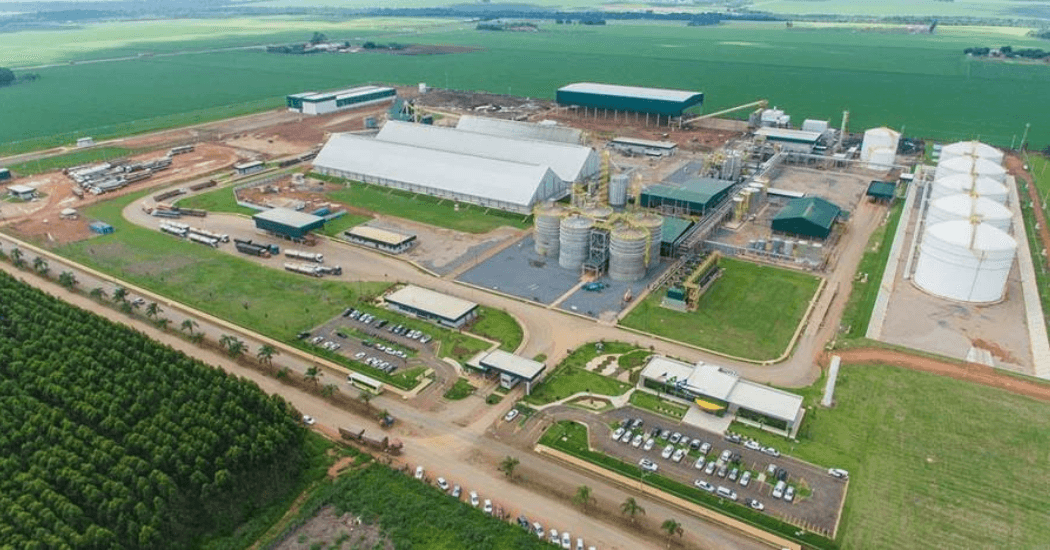
Sulzer said its ethanol pumps were built to trim energy and water use at a 250 million-liter-a-year corn-only plant in Brazil. The company pointed to FS – Fueling Sustainability near Lucas do Rio Verde, Mato Grosso, which it described as Brazil’s first corn-only ethanol plant.
Sulzer said the operating challenge in corn ethanol starts with the fluid itself. Its biofuels materials described production streams that can be high-solids, viscous, corrosive, hot, erosive or explosive, a mix that puts pressure on pump efficiency and reliability across the plant. Sulzer framed those demands around energy savings and water savings, with long-lasting operation at the center of the design brief.
At FS – Fueling Sustainability, Sulzer said phase 1 production started in 2017 and the initial capacity was 250 million liters per year. The company said the plant used process technology from ICM, headquartered in Colwich, Kansas, and that the site also produced corn oil and high-protein, high-fiber dried distiller’s grain. For operators, those coproducts sit alongside the fuel stream and help define the economics of the plant as much as the ethanol tankage itself.

Sulzer said its biofuels portfolio covers bioethanol, biodiesel and biogas applications, from pilot to commercial-scale installations. The company said the lineup includes centrifugal pumps for high-solids materials, gas removal pumps, tower and tank agitators, gas mixers and other energy-efficient products. Sulzer also said it has thousands of installations worldwide across first- and second-generation biofuels markets.
For ethanol plants watching utility bills and maintenance exposure, the company’s pitch is straightforward: the pump system is not just a transfer component, but part of the operating cost structure. Sulzer’s materials put the emphasis on moving difficult liquids with less energy, less water and fewer interruptions, which is where modest mechanical upgrades can carry outsized weight in day-to-day plant performance.
This article was produced by Prism’s automated news system from verified source data, official records, and press releases, then run through automated quality and moderation checks before publishing. The system is built and supervised by the people who set the standards it runs under. Read our full AI policy.
Did this article answer your question?