Ten EU countries urge rethink of carbon price on transport fuel
Ten EU states, including Italy and Poland, pushed Brussels to rethink ETS2 fuel pricing as the bloc keeps a 2027 start date on the books.
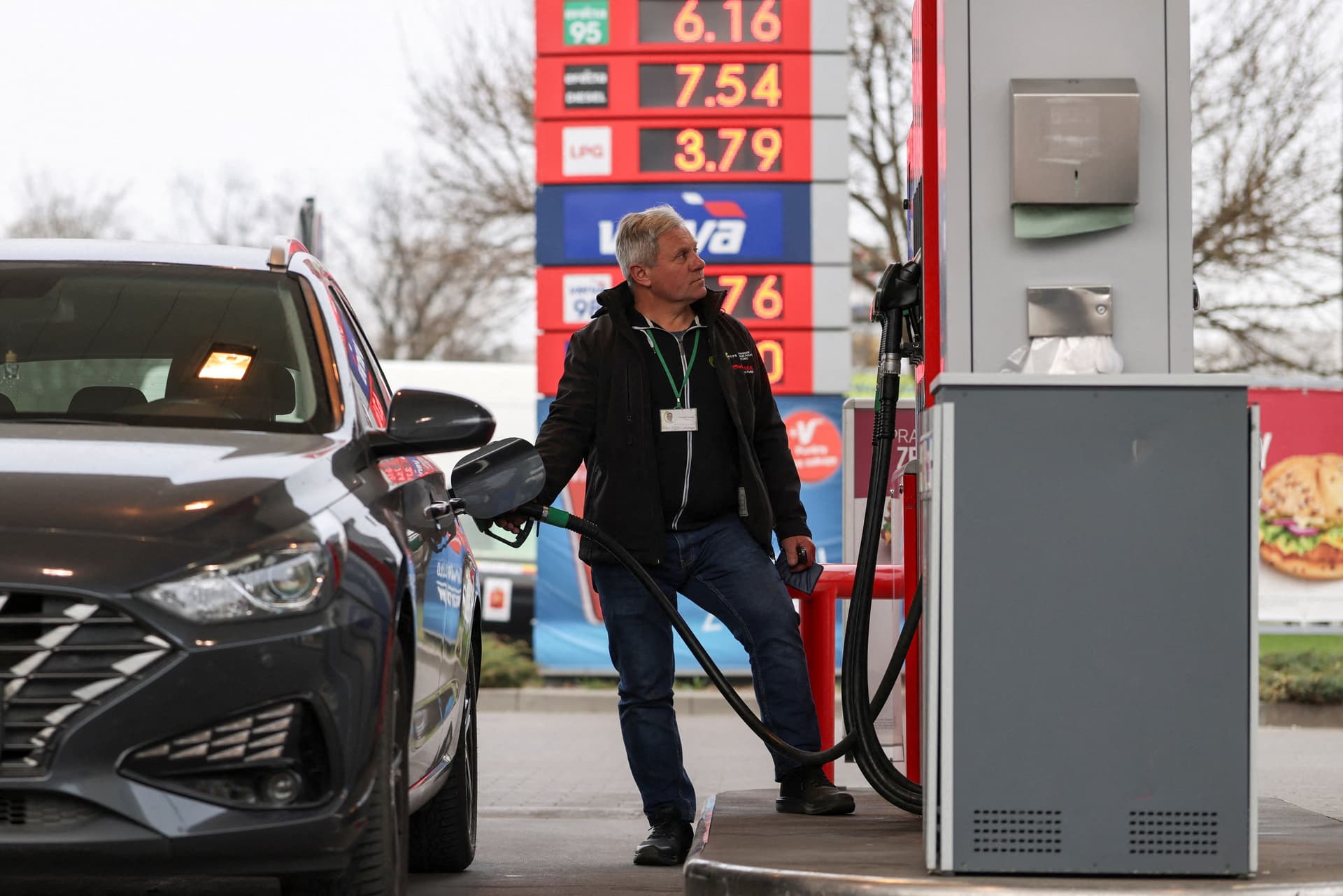
Ten EU countries on July 15 urged Brussels to reconsider a new carbon price on fuel, reopening a fight over ETS2 before the system’s 2027 launch. Italy and Poland were among the signatories, and later accounts named the Czech Republic and Greece among the ten.
ETS2 is the European Union’s planned emissions trading system for buildings and road transport, and Commission and Parliament materials say it is scheduled to become fully operational in 2027. The EU also created the European Social Climate Fund to cushion vulnerable households against higher fuel and heating costs, and the European Commission issued implementation guidance for the fund on Oct. 9, 2025.
For biofuels producers, the direction of travel matters as much as the final design. A firm transport carbon price can raise the relative cost of fossil gasoline and diesel, which improves the competitive position of ethanol, biodiesel, renewable diesel, biomethane and sustainable aviation fuel. If governments soften ETS2 after backlash over household bills, the policy signal weakens and investors face a less predictable compliance market for low-carbon fuels.
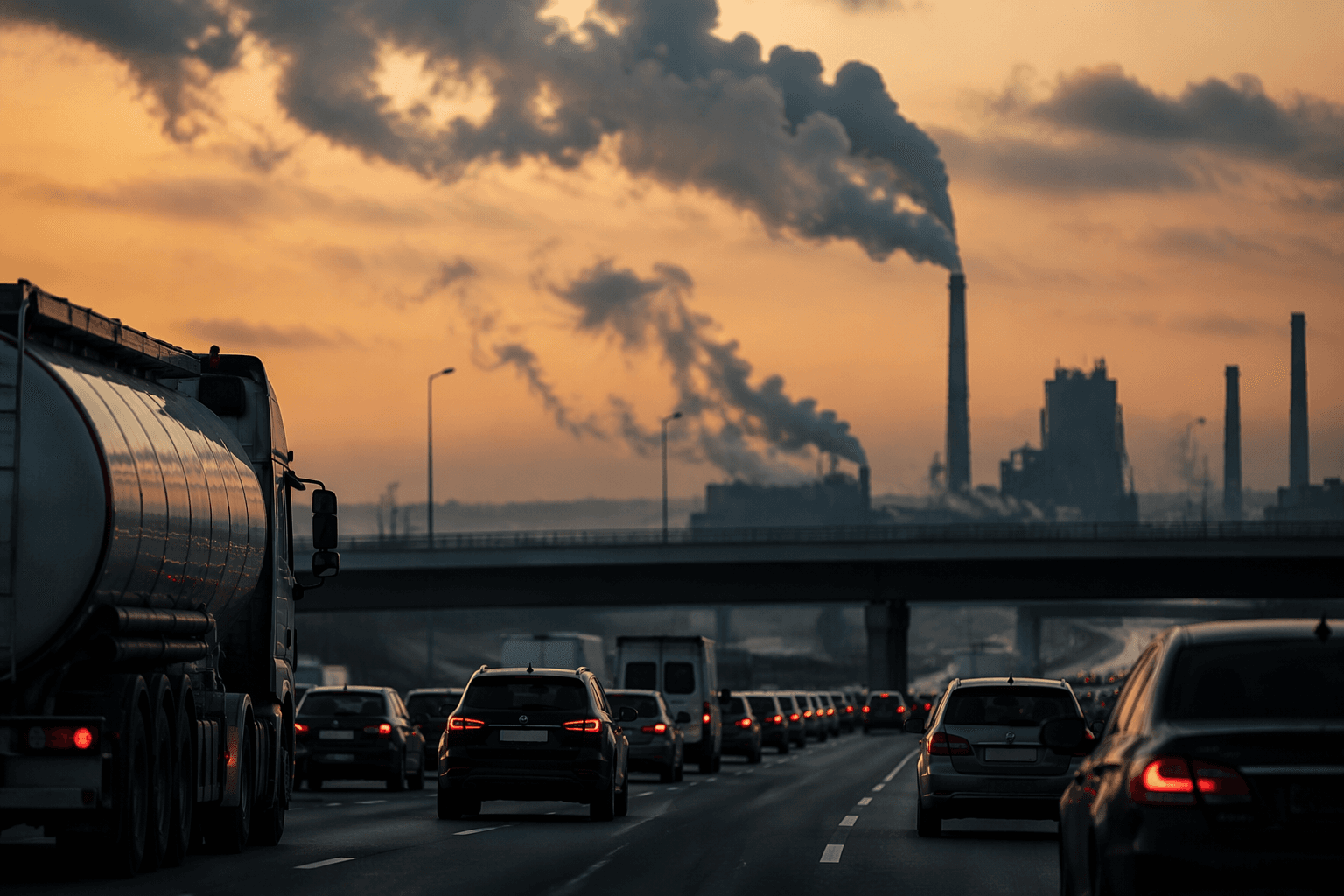
That tension was visible in earlier market and policy moves. Carbon prices in the EU slipped on Feb. 12, 2026, after lawmakers signaled possible intervention, and they fell again on March 17, 2026, when intervention risk resurfaced. Sweden and other member states also opposed calls to delay the new carbon market on Feb. 17, 2026, while the European Commission was already weighing price controls for the new market in October 2025.
The latest pushback from ten capitals suggests ETS2 is now running into the same affordability test that has repeatedly shaped climate policy in transport. Brussels has built in a compensation channel through the Social Climate Fund, but the coalition’s challenge shows that carbon pricing on road fuel remains politically fragile when it reaches the pump. For biofuels, the outcome will determine whether ETS2 becomes a durable demand signal for lower-carbon molecules or another source of policy uncertainty for long-term project finance.
This article was produced by Prism’s automated news system from verified source data, official records, and press releases, then run through automated quality and moderation checks before publishing. The system is built and supervised by the people who set the standards it runs under. Read our full AI policy.
Did this article answer your question?