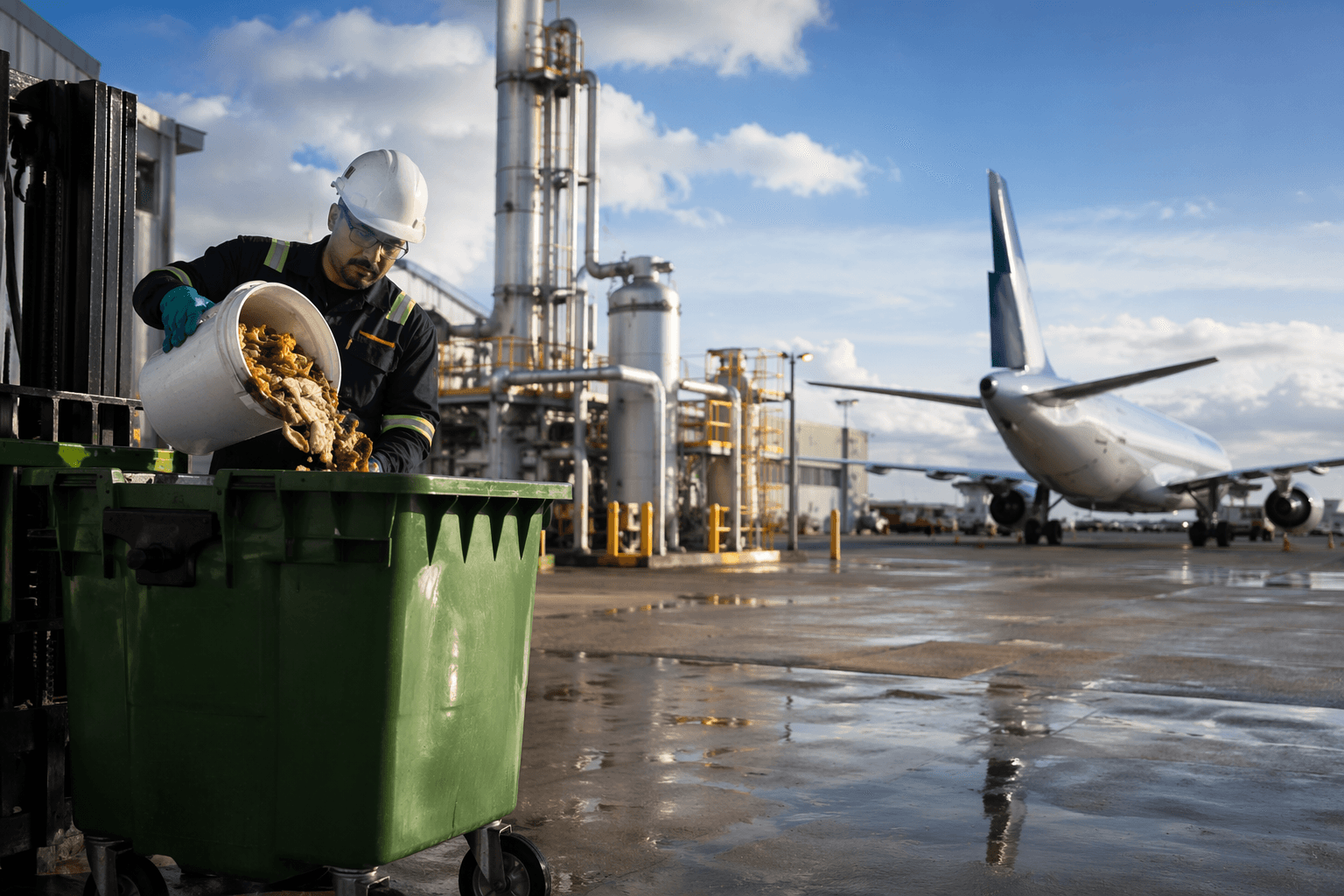
Topsoe and Preem complete co-processing trial for renewable diesel, SAF
Topsoe and Preem said their Gothenburg unit co-processed 85% renewable feedstock, a proof point for making renewable diesel and SAF in existing refinery hardware.
Topsoe and Preem on June 17 said they completed a co-processing campaign at Preem’s Gothenburg refinery that yielded renewable diesel and SAF from 85% renewable feedstock. The run mixed waste- and residue-based lipids with conventional refinery feedstocks, showing that an existing hydrotreater can make low-carbon fuels without a full greenfield biorefinery buildout.
The trial matters because it puts a brownfield route to renewable output on the table for refiners facing capital costs, permitting risk and feedstock logistics constraints. Topsoe’s HydroFlex technology was at the center of the campaign, and the company said the Gothenburg hydrotreater was capable of co-processing up to 85% renewable feedstock. For incumbent refiners, that is a different proposition from waiting years for a standalone unit to clear financing and construction hurdles.
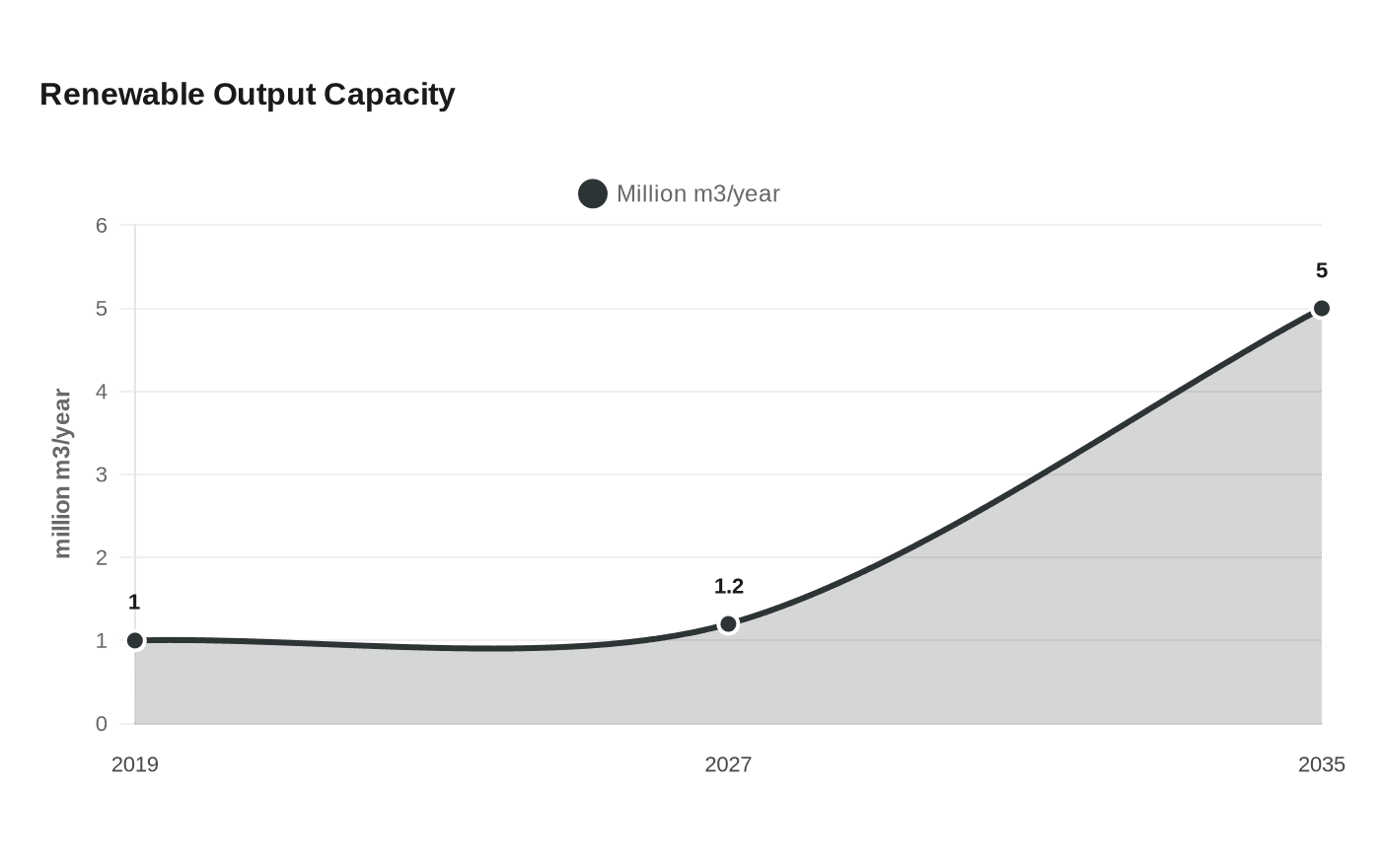
Preem has been building toward that model for years. Topsoe said in 2019 that a planned Gothenburg renewable fuels unit would run at 16,000 barrels per day and produce about 1 million cubic meters of fuel a year, with the potential to cut emissions from cars and planes by 2.5 million tons of CO2 annually. Preem later said it would invest SEK 5.5 billion to repurpose refinery assets in the Gothenburg region for renewable fuels, then added another SEK 5.5 billion in transition projects, taking the combined commitment to about SEK 10 billion. Preem has said those projects support a long-term target of about 5 million cubic meters of renewable fuels and a climate-neutral value chain by 2035, up from an earlier 2045 target.

The Gothenburg campaign also sits alongside Preem’s broader plant program. In January 2024, Topsoe said it had signed a licensing and engineering agreement with Preem for a revamped Lysekil refinery unit using HydroFlex for renewable diesel and SAF production. Topsoe said that unit is expected to start in 2027 and would add 1.2 million cubic meters per year of renewable production capacity, positioning Preem as one of Northern Europe’s biggest SAF producers if the project lands as planned.
Preem has already logged at least one commercial milestone in the transition: it said it exported domestically produced HVO100 from Gothenburg for the first time in its history. The company’s current transition plan also points to new renewable value chains, refinery conversions and logistics changes, while a Vattenfall project page quotes Preem as saying fossil-free hydrogen is central to scaling output toward the 5 million cubic meter target by 2030. Preem and VARO Energy became VAROPreem on January 16, 2026, a change that may reshape how the company’s renewable fuels program is presented as it moves from trial to scale.
This article was produced by Prism’s automated news system from verified source data, official records, and press releases, then run through automated quality and moderation checks before publishing. The system is built and supervised by the people who set the standards it runs under. Read our full AI policy.
Know something we missed? Have a correction or additional information?
Submit a Tip