Tufts researchers expand bacterial spores for biofuel production
Tufts researchers expanded bacterial spore platforms for biofuel catalysts, with spores able to carry enzymes under extreme conditions and survive harsh storage.
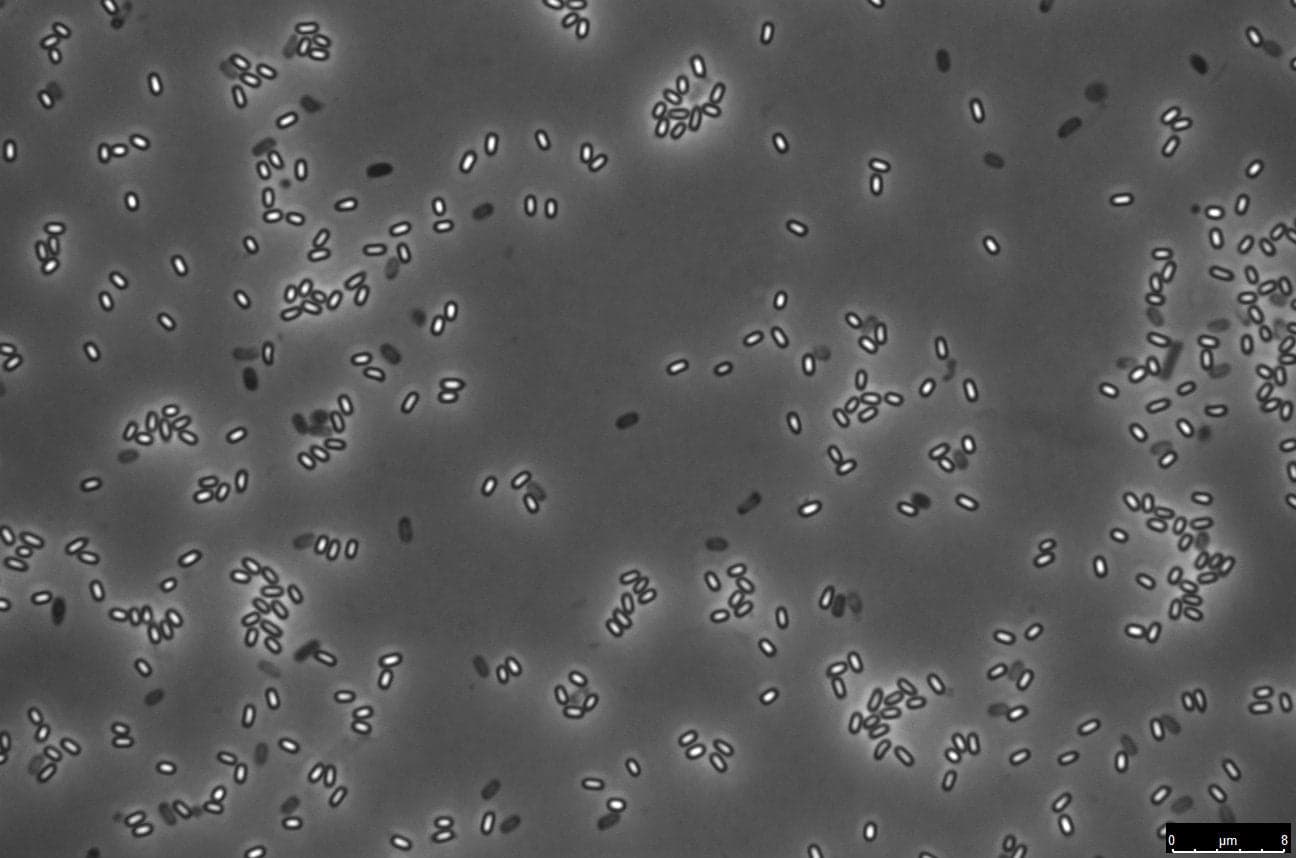
Tufts University School of Engineering on June 11 said researchers had found new ways to expand the potential for using bacterial spores as catalysts for chemical reactions, biofuel production, or breaking down pollutants.
The work comes out of Nik Nair’s lab in Tufts University’s Department of Chemical & Biological Engineering, where the focus is on altering microbial physiology for applications and on understanding why biological features evolved the way they did, according to Tufts University’s Graduate School of Biomedical Sciences. Tufts’ reporting said enzymes, biosensors and drugs can be fused to the outer layer of bacterial spores and stored under even extreme conditions, a property that makes the platform relevant for industrial biocatalysis as well as delivery systems.
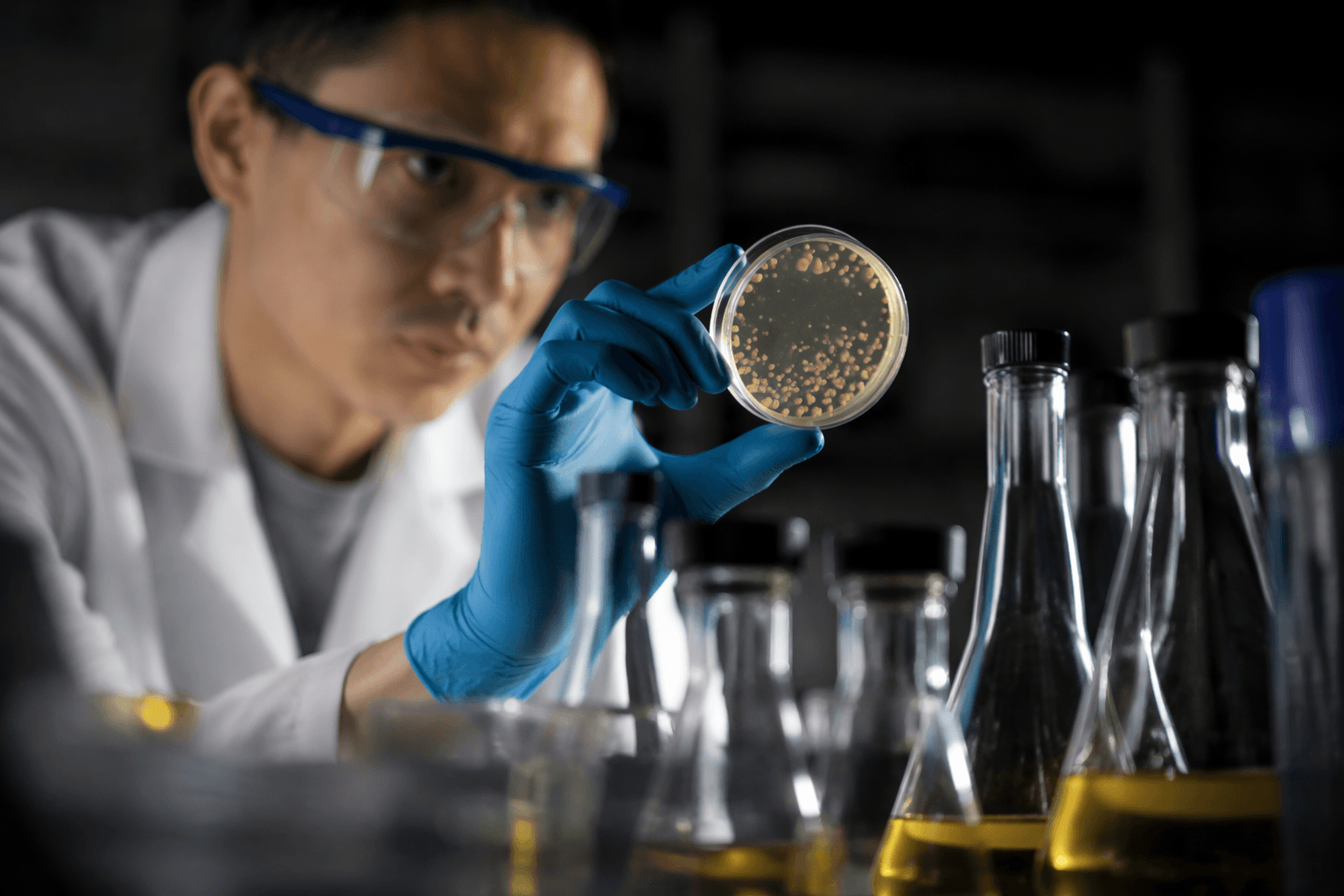
For biofuels, the immediate value is not a new fuel molecule but a sturdier way to package the biology behind chemical conversion. Bacterial spores already carry a reputation for extreme stability, and the bioRxiv abstract tied to the work said that stability makes them promising for biotechnological uses such as biocatalysis, bioremediation and drug delivery. That leaves the commercial hurdle where it usually is for these kinds of tools, turning a durable biological chassis into something that can survive manufacturing, shipping and process conditions without adding cost.
The bioRxiv abstract also noted that Bacillus subtilis spores are made up of more than 40 proteins, and about 12 of those proteins have already been explored as fusion carriers for protein display. That gives researchers a defined surface to work with, but it also shows how much of the spore remains untapped as an engineering platform.
Tufts’ School of Engineering said the spores could be used for chemical reactions, biofuel production or breaking down pollutants, a scope that points to multiple industrial uses beyond the fuel market alone. The publication trail around the story, including Tufts Now on June 11 and Ethanol Producer Magazine on July 2, underscores the same basic takeaway: the interest is in a biological scaffold that can hold onto functional proteins when ordinary enzymes would be too fragile.
The broader question for biofuels is whether that stability can be translated into a lower-cost catalyst system at scale. The underlying biology is already proven; the next step is whether spore-based tools can cut handling losses, improve storage life and make enzyme-driven processing cheap enough to matter in an industrial plant.
This article was produced by Prism’s automated news system from verified source data, official records, and press releases, then run through automated quality and moderation checks before publishing. The system is built and supervised by the people who set the standards it runs under. Read our full AI policy.
Did this article answer your question?