Turkish Airlines backs Airbus-anchored fund to boost SAF production
Turkish Airlines signed onto Airbus-anchored SAFFA Fund I as a 2026 note put SAF at only 0.8% of aviation fuel use.
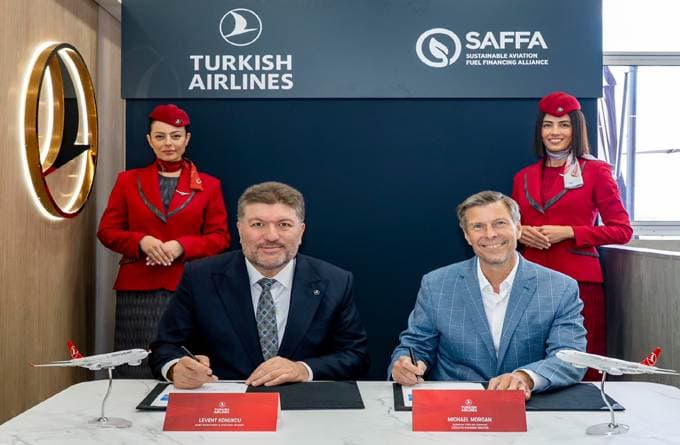
Turkish Airlines on July 21 signed onto SAFFA Fund I, LP, as a 2026 note put SAF at only 0.8% of aviation fuel use. The Airbus-anchored vehicle is managed by Burnham Sterling Asset Management LLC in New York and is designed to accelerate sustainable aviation fuel production and development.
Turkish Airlines said the investment fits its long-term growth strategy, sustainability-focused targets and supply chain security vision. For a carrier that has been described as flying to more countries than any other airline, the move ties network expansion to access to lower-carbon jet fuel rather than to fleet growth alone.
The financing comes against a thin supply backdrop. A 2026 industry note put SAF production at 0.8% of aviation fuel use in 2026, a reminder that airlines still face a shortage of physical gallons even as emissions targets tighten. That gap keeps early capital important for developers that need equity sponsors, anchor customers and credible offtake structures before plants can reach final investment decision.
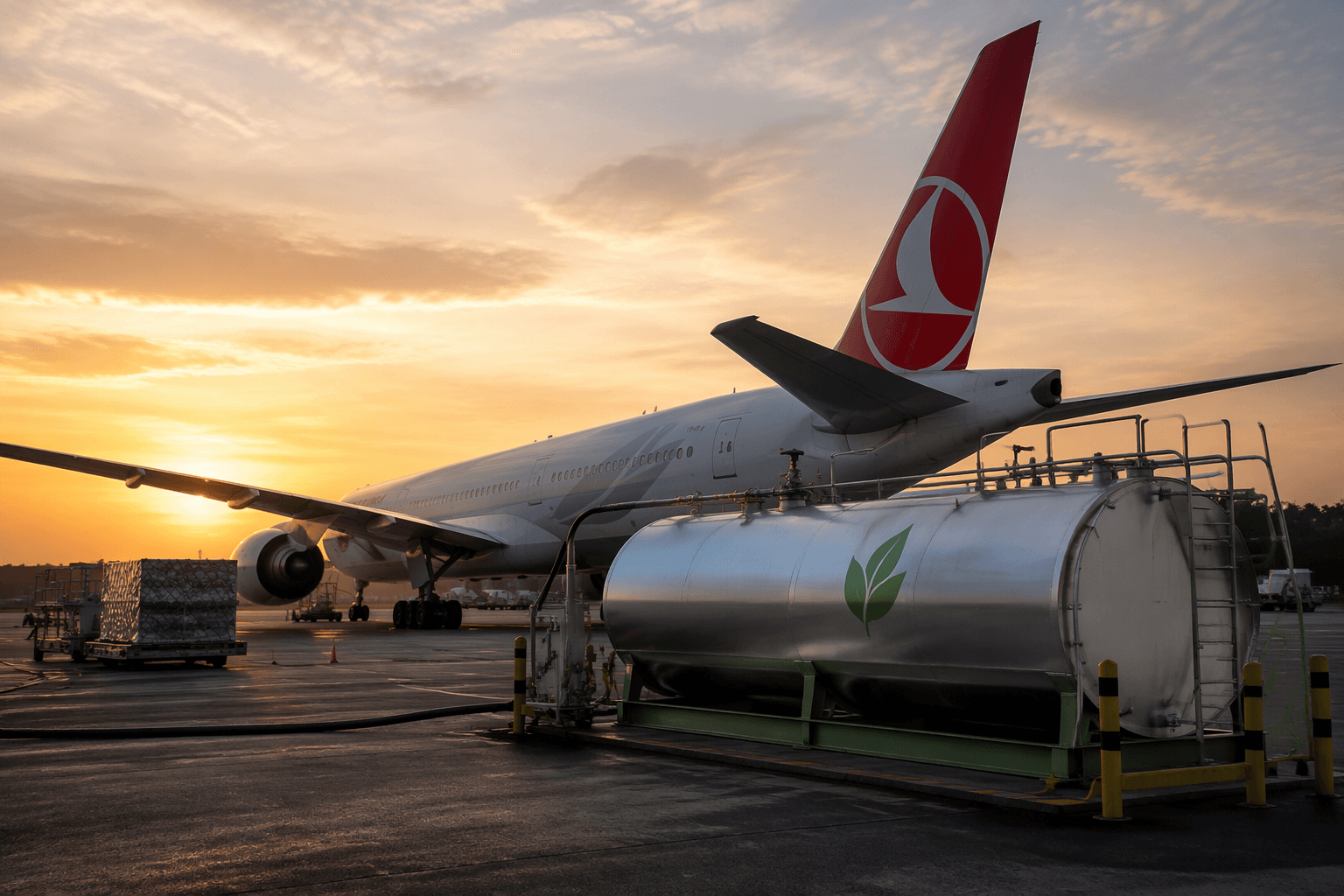
The Airbus connection gives the fund a familiar industry backbone. Multiple reports described SAFFA Fund I as Airbus-anchored or Airbus-backed, while Turkish Airlines has already signed the Global Sustainable Aviation Fuel Declaration with Airbus and Rolls-Royce. That combination puts an airline, an airframe maker and a propulsion supplier on the same side of the SAF buildout, even if the fund itself is still a financial vehicle rather than a project-specific plant commitment.
For fuel producers, the signal is less about branding than about bankability. Airline equity can strengthen the financing stack for HEFA, alcohol-to-jet and other SAF pathways by adding a strategic buyer and an aviation sponsor to the cap table. In a market where production remains a fraction of fuel use, that kind of support can carry more weight than another sustainability pledge.
This article was produced by Prism’s automated news system from verified source data, official records, and press releases, then run through automated quality and moderation checks before publishing. The system is built and supervised by the people who set the standards it runs under. Read our full AI policy.
Did this article answer your question?