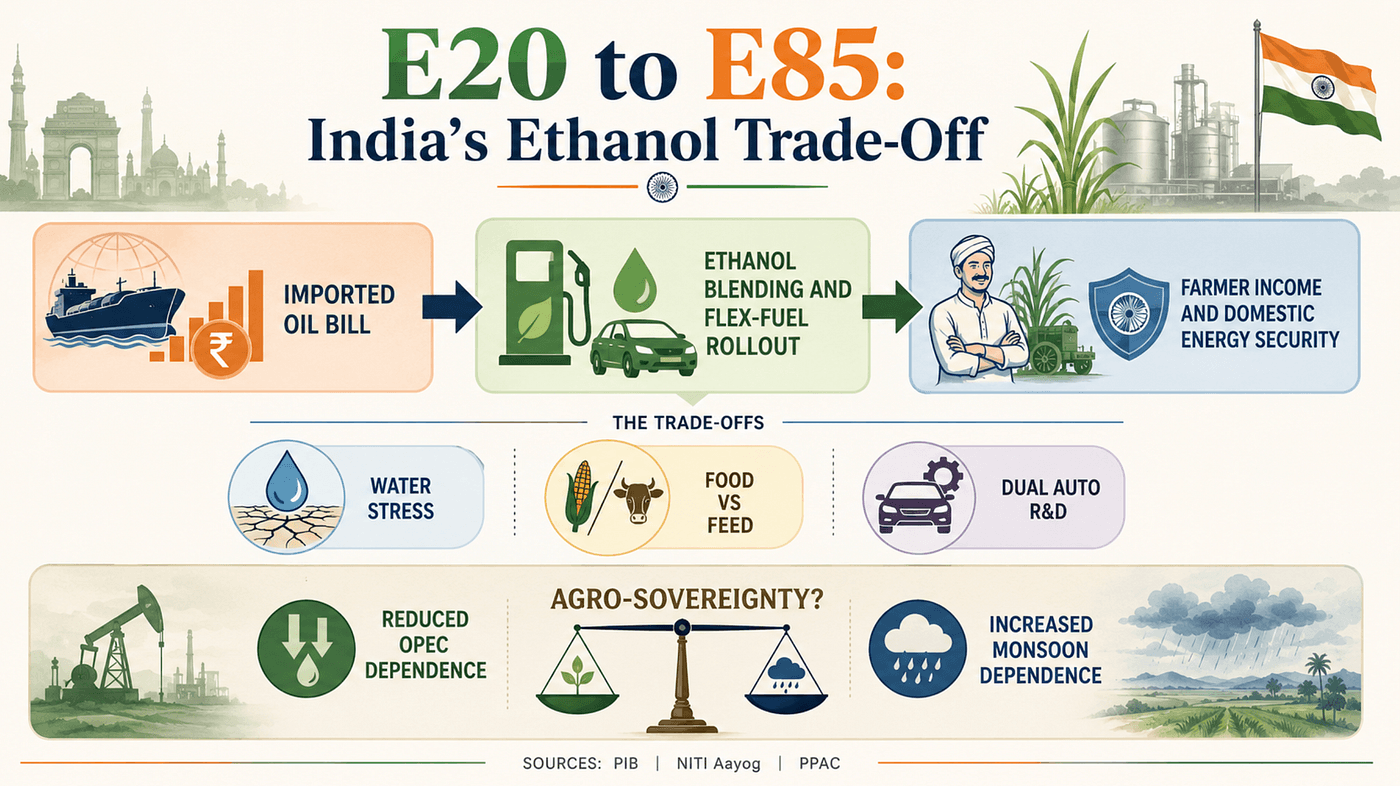
US biofuel credit prices fall sharply to nearly two-month low
US biofuel credits slid to a nearly two-month low, easing compliance costs after May’s record run-up. Refiners gained, while RIN generators lost ground.
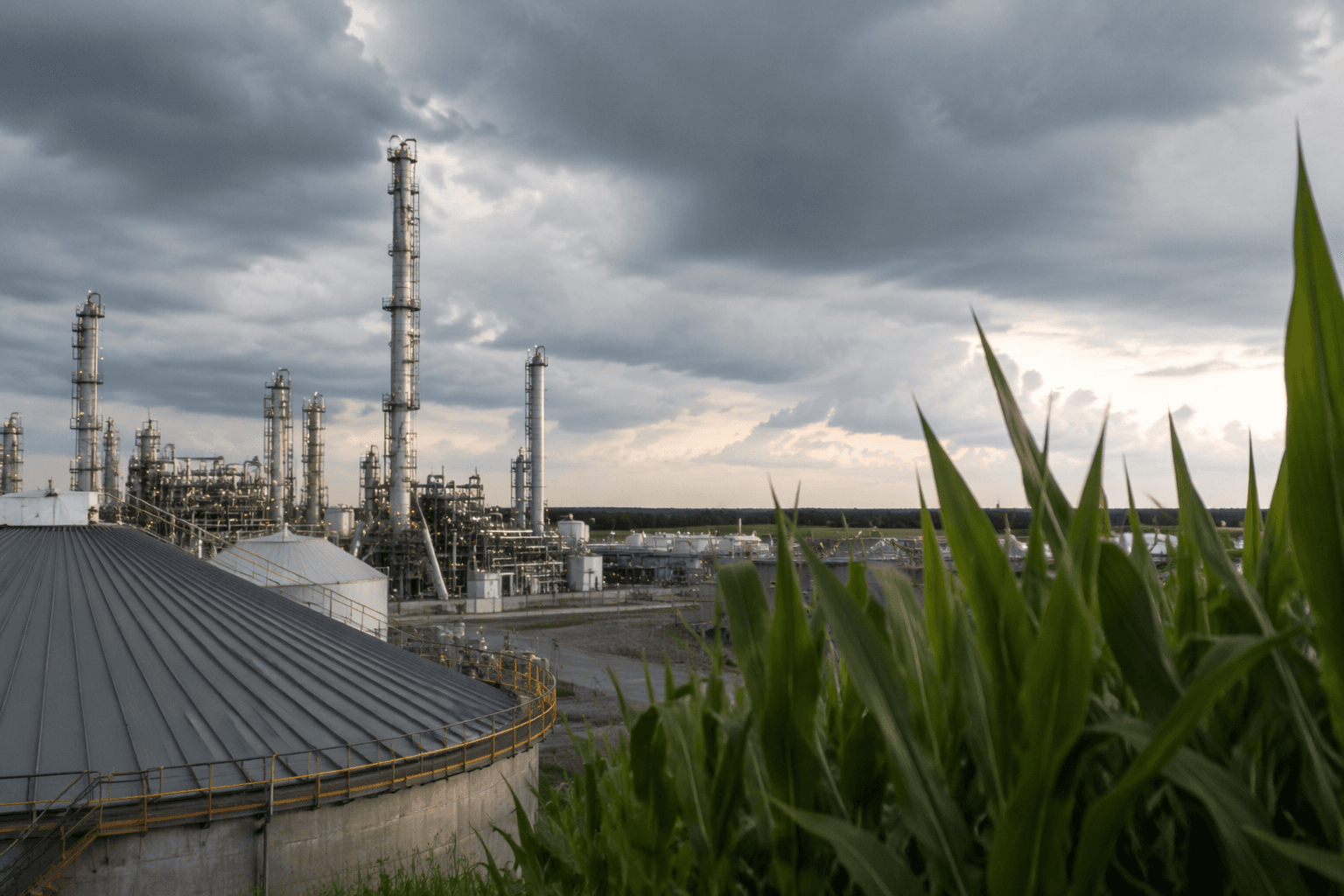
Quantum Commodity Intelligence on July 20 said US biofuel credit prices fell sharply to a nearly two-month low, reversing part of the spring RIN rally. The move hit the Renewable Fuel Standard compliance market, where Renewable Identification Numbers are the credits refiners and fuel importers buy to show they met blending obligations.
EPA posts the official RIN trades and price information that anchors the market, and Growth Energy compiles weekly and monthly averages from that EPA data. The Energy Information Administration has said higher blending targets can drive RIN prices close to record highs, and that link was evident in late May when Reuters reported renewable fuel credit prices had hit records on US biofuel mandates and oil-market volatility.
The July selloff came after a volatile policy stretch. Reuters on May 15 said US oil refiners were finally profiting from biofuels because mandates and high fuel prices supported margins, then Reuters on July 2 said Trump biofuel goals were hitting reality as US plants lagged. EPA materials on the 2026 and 2027 Renewable Fuel Standard also included a partial waiver of the 2025 cellulosic biofuel volume requirement, keeping mandate levels and compliance demand at the center of trading.
Cheaper RINs usually help obligated parties first. Refiners and importers face a lower cost to cover blending shortfalls, while producers and marketers that generate and sell credits lose pricing power when the compliance market softens. That pressure can feed back into ethanol blend economics and renewable diesel margins, especially when the market is already balancing mandate uncertainty against fuel output and export demand.
The size and speed of the drop suggested the market was no longer willing to price in the same tightness that pushed credits to records in May. Whether the slide holds will depend on EPA volume signals, blending rates and whether the next compliance cycle restores the scarcity that drove the earlier rally.
This article was produced by Prism’s automated news system from verified source data, official records, and press releases, then run through automated quality and moderation checks before publishing. The system is built and supervised by the people who set the standards it runs under. Read our full AI policy.
Did this article answer your question?