U.S. tariff proposal raises uncertainty in global ethanol trade
A 25% U.S. tariff proposal on Brazil put ethanol market access back at the center of Section 301, with comments due July 1 and a hearing set for July 6.

The U.S. Trade Representative on June 1 proposed a 25% tariff on Brazilian imports, and ethanol market access sat inside the case from the start. USTR said Brazil’s acts and policies tied to ethanol market access, digital trade, preferential tariffs, anti-corruption enforcement, intellectual property protection and illegal deforestation were unreasonable and burdened U.S. commerce, which pushed bilateral fuel trade deeper into the tariff fight.
The schedule now sets up a fast-moving pressure test for the market. Ambassador Jamieson Greer said he launched the Section 301 investigation at President Trump’s direction and has had several constructive meetings with President Luiz Inácio Lula da Silva and his cabinet, but substantial differences remain. Requests to appear at the hearing are due June 22, written comments are due July 1, the public hearing is set for July 6 at the U.S. International Trade Commission in Washington, and the statutory deadline for responsive action is July 15.
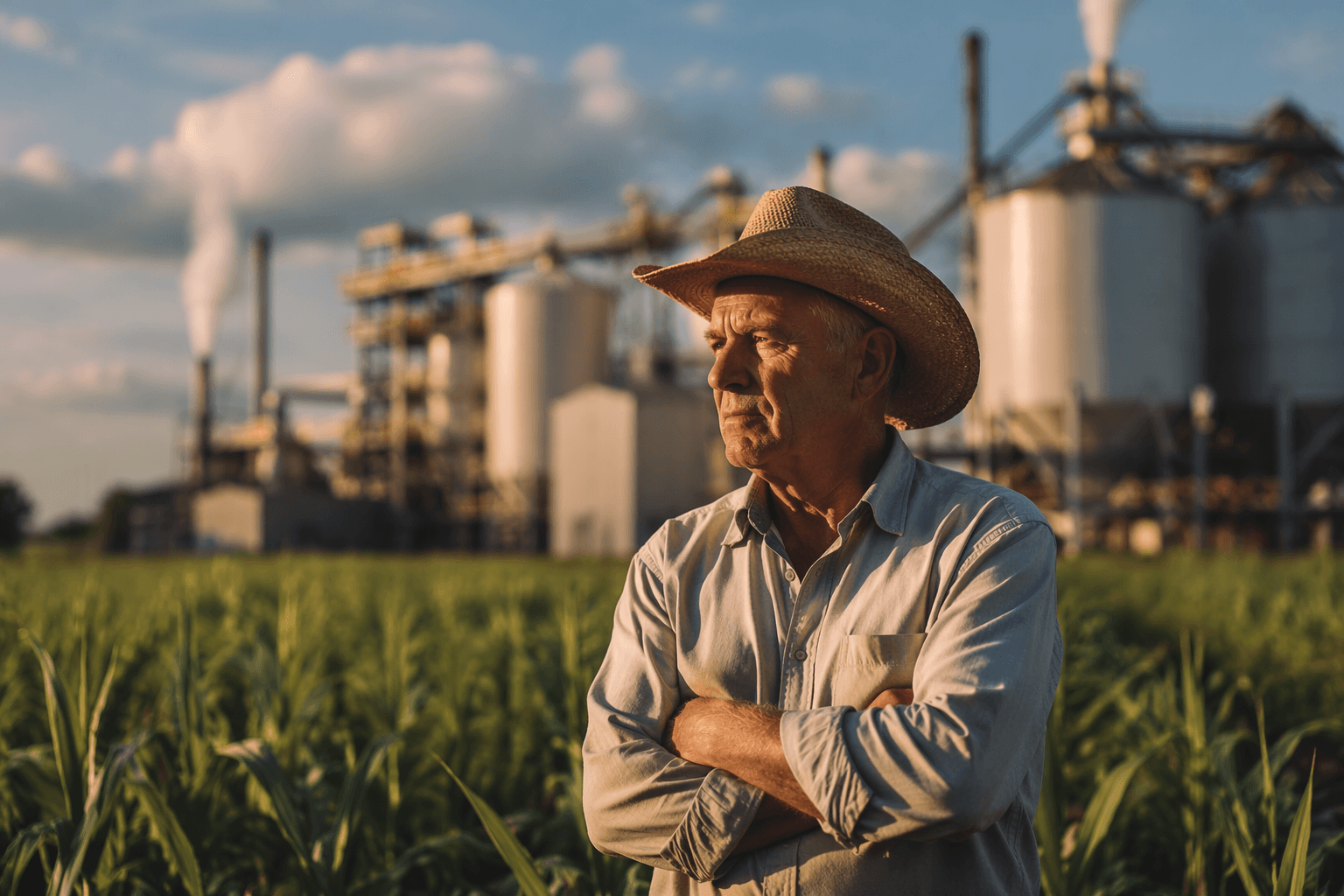
Ethanol is not a side issue in the dispute. USTR said Brazil abruptly discontinued its previously balanced tariff treatment of ethanol in 2017 and has since failed to provide reciprocal tariff treatment for U.S. ethanol exports. USDA says Brazil’s ethanol market is second in size only to the U.S. market, and the IEA calls Brazil a global leader in second-generation biofuels with a large domestic market, so any tariff escalation can ripple through blend economics, import optionality and low-carbon supply strategy well beyond the two countries.
If the proposal hardens into duties, U.S. exporters would be the first to lose access because the case is built around Brazil’s treatment of U.S. ethanol. Brazilian importers would face tighter supply choices and higher replacement costs, while domestic producers on both sides could gain short-term pricing leverage if trade volumes slow. That upside would be fragile if Brasília answers with its own restrictions, because the real market risk is not just the tariff rate, but the access conditions that determine who can move ethanol, and at what margin, in a tightening global fuel-carbon market.
This article was produced by Prism’s automated news system from verified source data, official records, and press releases, then run through automated quality and moderation checks before publishing. The system is built and supervised by the people who set the standards it runs under. Read our full AI policy.
Know something we missed? Have a correction or additional information?
Submit a Tip