USDA seeks AI partners to speed crop innovation and plant science
USDA asked universities and farm stakeholders to build AI tools from germplasm data, aiming to speed crop innovation for biofuel feedstocks.

USDA on July 22 asked universities and other agricultural stakeholders to help build artificial intelligence tools that can translate the large amount of germplasm data the department collects. The agency said the aim is faster progress in plant science and crop innovation, a step that could improve the pipeline of feedstocks used by ethanol and other biofuels.
The effort fits USDA’s broader AI Strategy and its Science and Research Strategy, which place artificial intelligence inside the department’s research agenda rather than outside it. USDA’s National Agricultural Library also hosts a page titled “AI in Agriculture: Innovation and Discovery to Equitably Meet Producer Needs and Perceptions,” signaling that the department is pairing data work with questions around adoption and producer use. USDA’s research network includes the National Institute of Food and Agriculture and the Agricultural Research Service, the two offices most likely to carry the tools from data handling into breeding and field research.
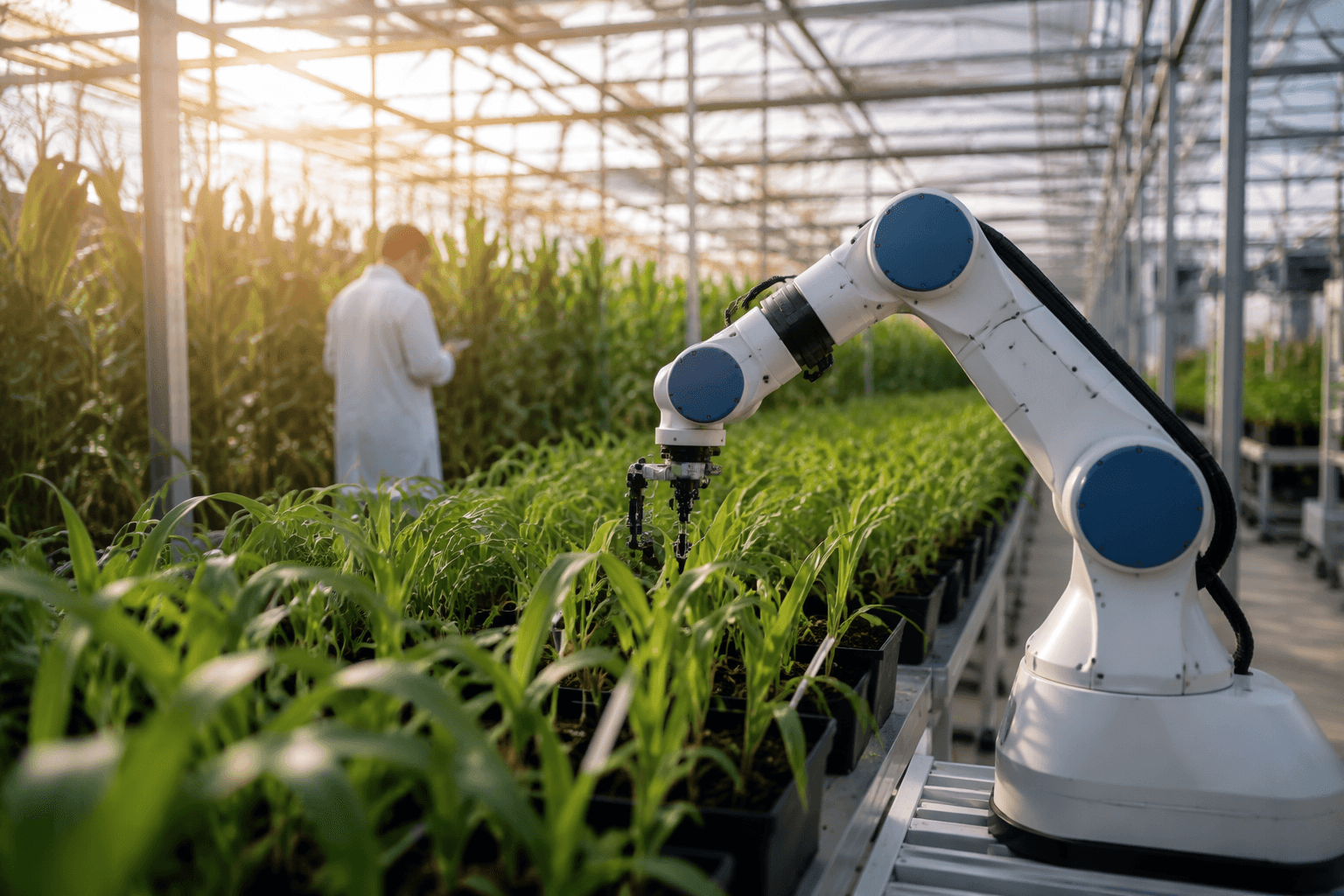
For the biofuels sector, the practical question is whether AI can shorten the path from germplasm to varieties with better yield, stronger disease resistance and more climate resilience. Those are the traits that can reduce feedstock risk for ethanol plants and, over time, shape carbon intensity outcomes as crop performance feeds into low-carbon fuel accounting. USDA has linked innovation policy to biofuels and bioenergy before, including through its 2020 Ag Innovation Agenda, and the July 22 move extends that same line of thinking into machine learning and plant science.
This article was produced by Prism’s automated news system from verified source data, official records, and press releases, then run through automated quality and moderation checks before publishing. The system is built and supervised by the people who set the standards it runs under. Read our full AI policy.
Did this article answer your question?