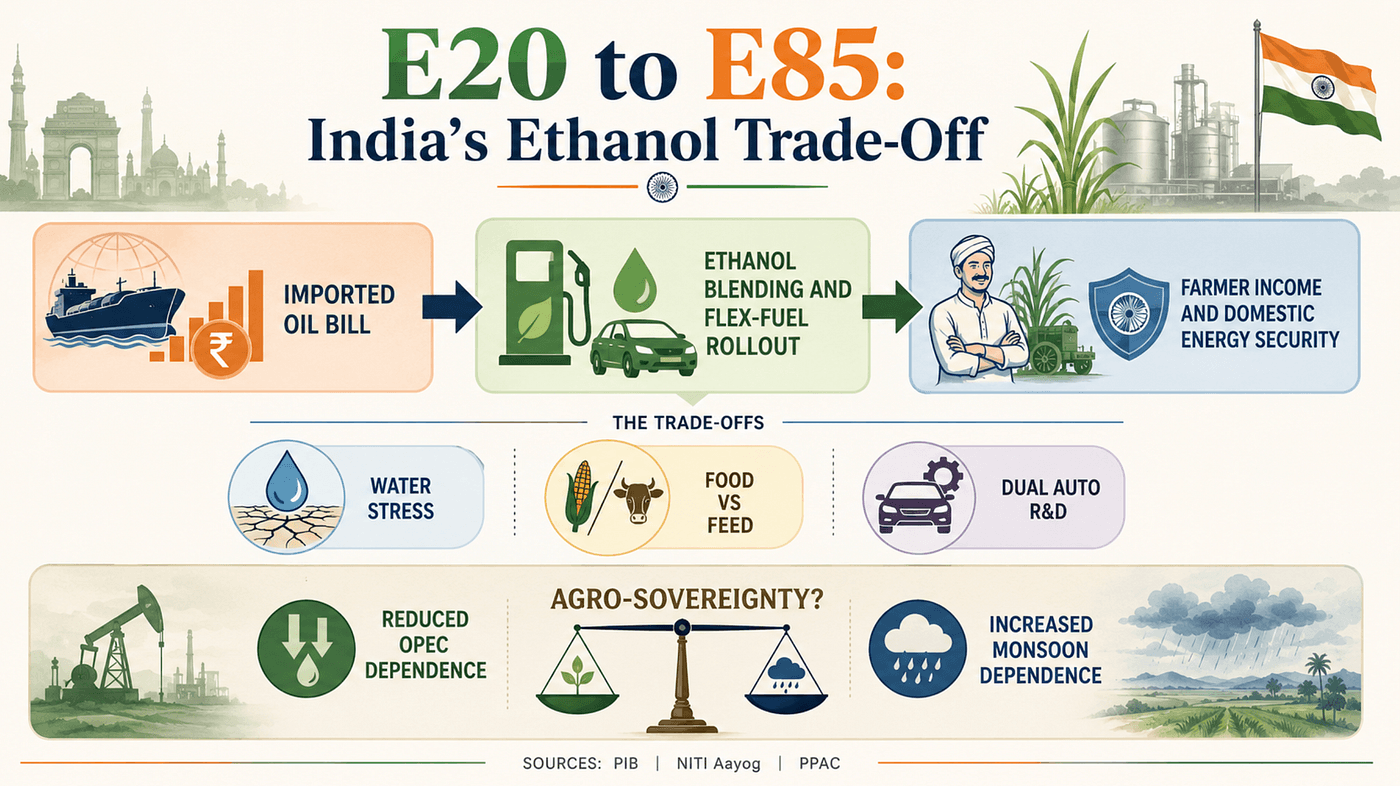
Vietnam ethanol demand seen surging as blending policy expands
Vietnam set a national biofuels roadmap as 2026 fuel ethanol imports were projected to hit 490 million liters, sharpening the case for U.S. suppliers.
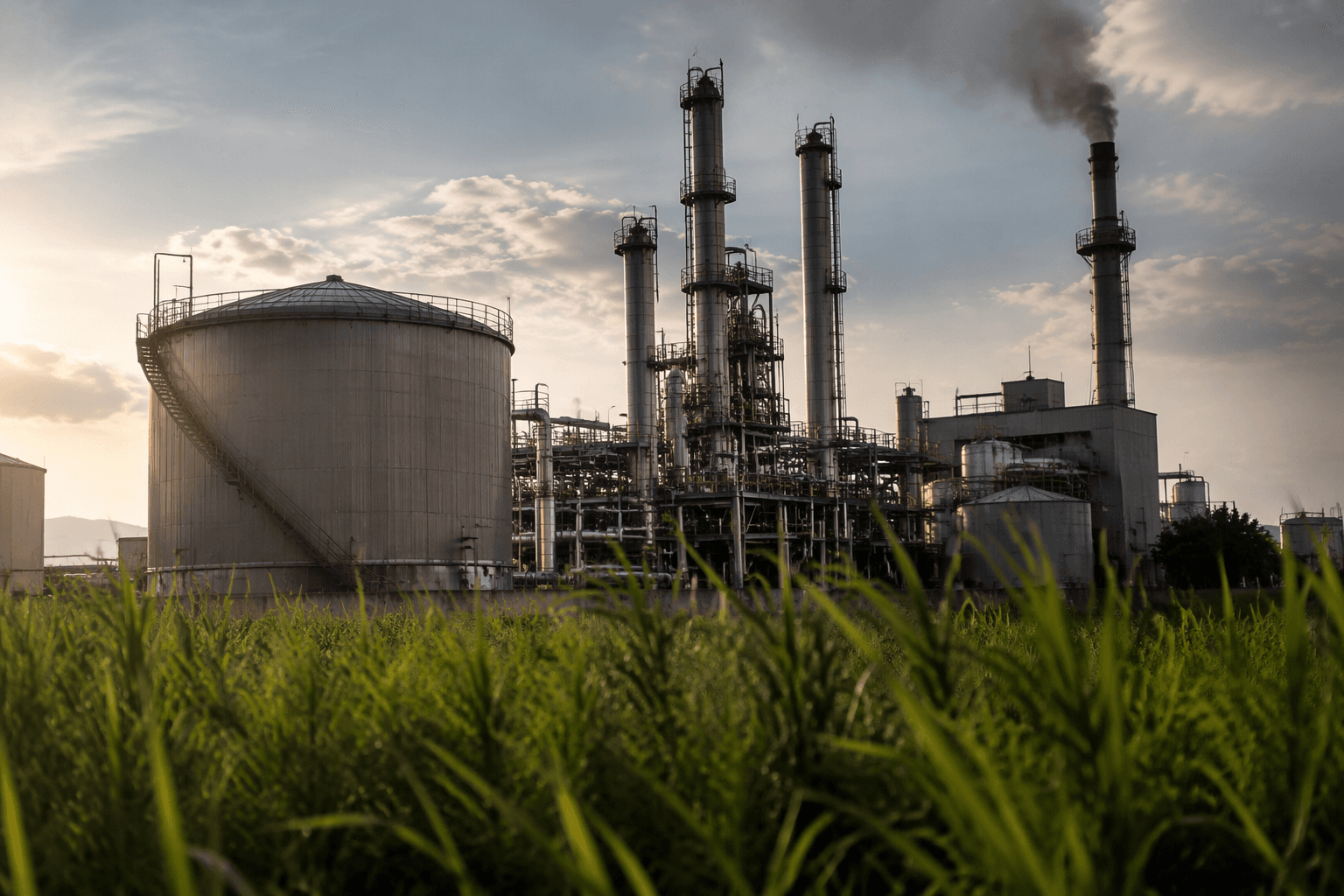
Vietnam’s Ministry of Industry and Trade on November 24, 2025 issued Circular 50, setting a national roadmap for blending biofuels with traditional fossil fuels. Quantum Commodity Intelligence projected Vietnam’s fuel ethanol imports would surge to 490 million liters in 2026, citing USDA. The policy move is the clearest sign yet that years of outreach could start turning Vietnam’s ethanol potential into real consumption.
The U.S. Grains & BioProducts Council said recent policy changes in Vietnam and Malaysia would enhance U.S. ethanol’s market competitiveness in those countries. The council and MOIT signed an official memorandum of understanding in 2020 to support partnerships between countries and industries, and MOIT, the Vietnam Petroleum Association and the U.S. Grains Council later organized the first Decarbonize Asia: Vietnam Biofuels Forum to discuss technical, commercial and environmental issues around ethanol expansion.
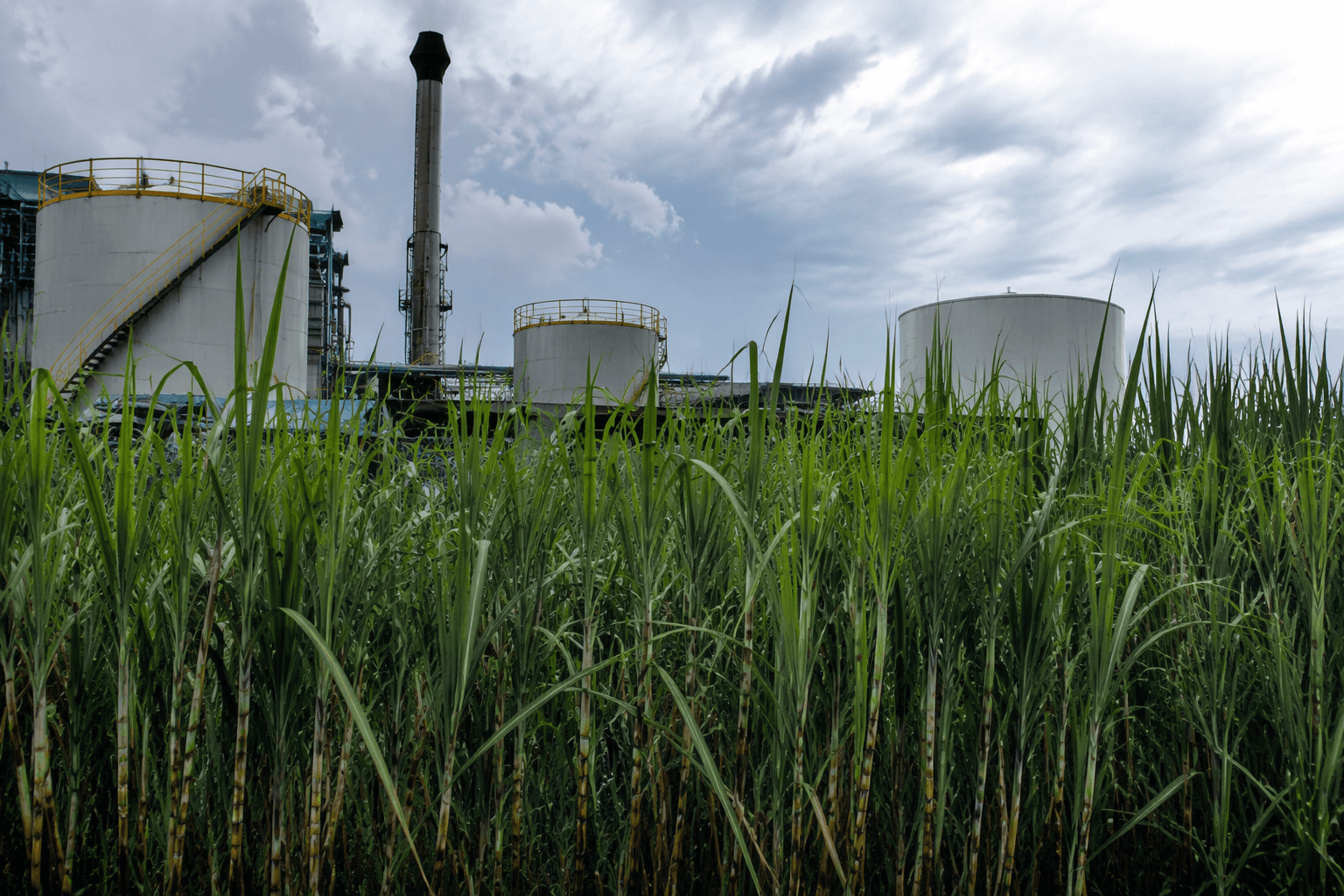
Vietnam’s gasoline market has been growing for years. USDA’s 2020 Vietnam Ethanol Background Report said gasoline consumption had risen about 4% to 5% a year, while the country spent about $2.5 billion on imported petroleum products in addition to local exploitation and production. Tui Tr News separately reported Vietnam’s ethanol demand could near 11 billion liters, a scale that would require tighter blending enforcement and dependable supply through the fuel distribution chain.
Trade economics have already started shifting alongside the policy work. A U.S. Grains Council success story said efforts to lower tariffs on U.S. ethanol in Vietnam increased import potential to 170 million gallons valued at $653.334 million. The council also publicly congratulated Vietnam on E10 implementation and on the launch of an E10 trial, underscoring that the country has already moved beyond concept-stage blending.
Circular 50 now gives regulators a formal national framework, while the demand side points to a market still heavily shaped by imported fuel use. With gasoline consumption still rising and ethanol import needs projected to grow, Vietnam is moving from policy ambition toward a market that can absorb material ethanol volumes.
This article was produced by Prism’s automated news system from verified source data, official records, and press releases, then run through automated quality and moderation checks before publishing. The system is built and supervised by the people who set the standards it runs under. Read our full AI policy.
Did this article answer your question?