XCF Global begins renewable fuel production at Reno facility
XCF Global said New Rise Renewables Reno began producing renewable fuels on July 9, a commissioning step at its 38 million gallon-per-year plant.
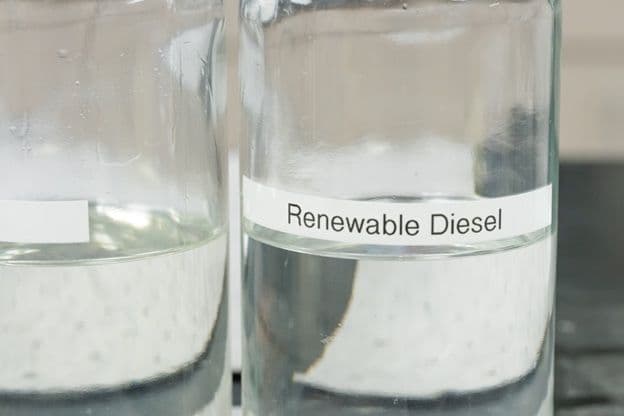
XCF Global on July 9 said its New Rise Renewables Reno facility had begun producing renewable fuels, marking initial renewable diesel output at the 38 million gallon-per-year plant. The company framed the start as a commissioning-and-restart milestone as the site moves toward a planned sustainable aviation fuel configuration.
The production start follows XCF’s June 16 update, when the company said final commissioning was progressing and catalyst activation was underway at the Reno facility. XCF said the new output signals a transition to expected revenue-generating operations after commissioning and startup, a point many renewable fuels projects do not reach for months or years after construction.

The Reno facility has already had an earlier operating run. In a July 8, 2025 update, XCF said New Rise Reno had produced SAF, renewable diesel and renewable naphtha since February 2025, with deliveries starting in March 2025, after the facility was commissioned that month. That makes the latest production announcement part of a longer ramp-up sequence rather than the asset’s first contact with commercial production.
XCF has tied the site to a broader SAF buildout strategy. In December 2025, the company said it planned a $300 million expansion that would double total SAF production capacity to about 80 million gallons a year. In a first-quarter 2026 update, XCF said it targeted $110 million to $120 million in net revenue and 40 million to 43 million gallons of renewable fuel production in 2027. The company also describes itself as one of the few publicly traded U.S. renewable fuels companies primarily focused on SAF.
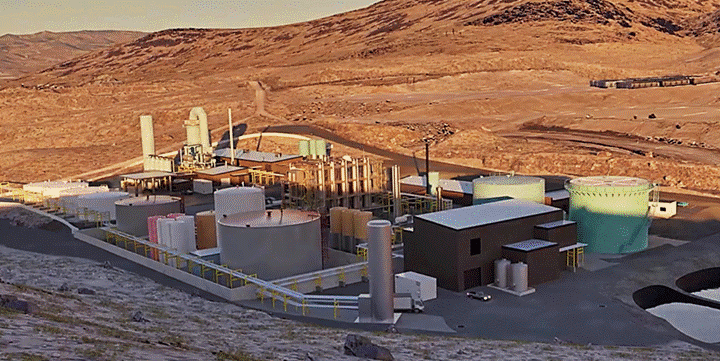
The company says SAF can reduce lifecycle greenhouse gas emissions by up to 80% compared with conventional jet fuel. For a market still balancing renewable diesel, SAF and other low-carbon molecules against feedstock availability, plant uptime and credit exposure, the Reno startup turns another announced asset into operating gallons that can be measured against those targets.
This article was produced by Prism’s automated news system from verified source data, official records, and press releases, then run through automated quality and moderation checks before publishing. The system is built and supervised by the people who set the standards it runs under. Read our full AI policy.
Did this article answer your question?