AHA urges plant-based proteins, low-fat dairy, clashing with RFK Jr. guidelines
The AHA is pushing beans, lentils, nuts and low-fat dairy just as RFK Jr. champions protein at every meal and full-fat dairy, sharpening confusion over what “healthy” now means.

The new fight over protein is not really about protein at all. It is about who gets to define a heart-healthy plate, and the American Heart Association has drawn a clear line: shift away from meat, lean on legumes and nuts, and choose low-fat or fat-free dairy instead of full-fat dairy.
The AHA set out that position in an updated scientific statement published in Circulation on March 31, 2026, replacing its 2021 guidance and organizing advice around nine features of a heart-healthy dietary pattern. The statement says heart health depends on the overall pattern of eating, not one nutrient in isolation, and says those habits should begin early in life and continue across the life course. Protein remains essential, but the association said more research is needed on how much people need and which sources best support health.
That caution lands in sharp contrast with the federal 2025-2030 Dietary Guidelines for Americans released on January 7, 2026. Robert F. Kennedy Jr. and Brooke Rollins cast the rollout as a “historic reset” of U.S. nutrition policy, urging Americans to “prioritize protein at every meal” and to eat full-fat dairy with no added sugars. The USDA framed the package as a shift toward “real food” and said policy would be realigned to support farmers, ranchers and producers.
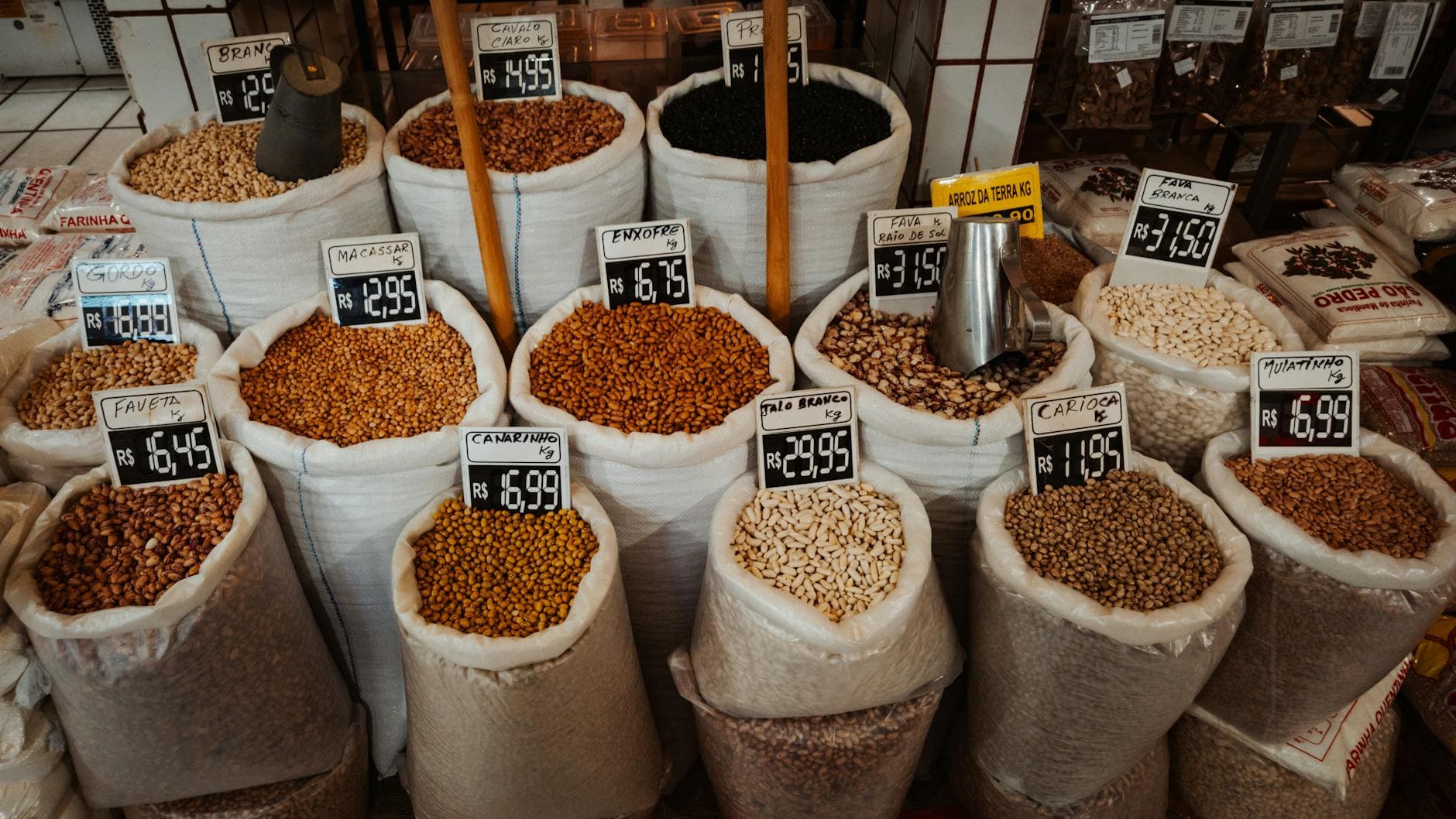
The AHA welcomed the federal emphasis on vegetables, fruits, whole grains and limits on added sugars, refined grains, highly processed foods, saturated fats and sugary drinks, but it said it was concerned that advice on salt seasoning and red meat could push consumers past sodium and saturated fat limits. Its own guidance is more explicit: prioritize plant-based proteins, especially legumes and nuts, while still allowing seafood and lean meats. Reuters reported that the association also recommended limiting red meat, butter, lard and tallow, and Reuters said the guidance starts at age 1 for children.
The clash is already feeding broader confusion over U.S. nutrition policy, especially after the 2025-2030 federal guidelines were criticized by some nutrition experts for seeming to favor red meat and full-fat dairy, a break from earlier advice. The AHA’s update mostly stays in step with its earlier position, but it turns up the volume on plant protein at exactly the moment Washington is amplifying a different message. For food makers, dairy brands and meat producers, the split is not academic: the next round of consumer advice is going to sound less like consensus and more like a contest.
This article was produced by Prism’s automated news system from verified source data, official records, and press releases, then run through automated quality and moderation checks before publishing. The system is built and supervised by the people who set the standards it runs under. Read our full AI policy.
Did this article answer your question?