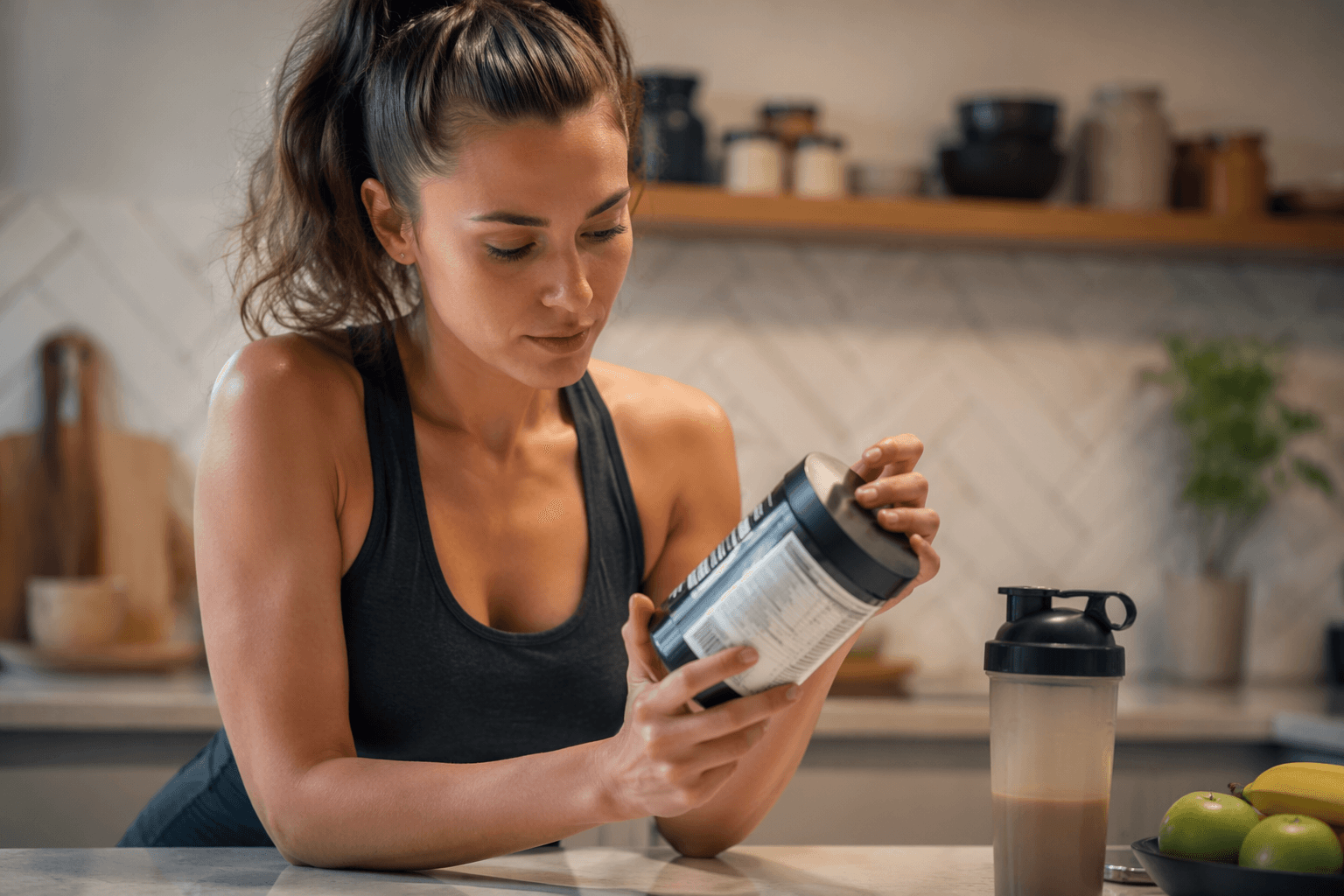
Arla Foods Ingredients targets GLP-1 consumers with high-protein companion nutrition concepts
Arla Foods Ingredients is betting GLP-1 users need smaller, denser protein formats, pairing whey with probiotics as the category shifts from sports nutrition to weight management.

Arla Foods Ingredients is putting the GLP-1 consumer at the center of its latest high-protein development push, using Vitafoods Europe in Barcelona to test how far companion nutrition can go beyond ordinary protein fortification. At Stand #3G156, the company is showing small-serving concepts built around Nutrilac and Lacprodan BLG-100, with probiotics and cultures from Novonesis folded in to address not just protein intake but digestion and eating tolerance.
The pitch lands in a market where the nutritional problem is no longer simply how to cut calories. Arla says its GLP-1 companion foods are designed to support muscle health, digestive well-being and balanced weight management, a formulation brief that reflects the realities of anti-obesity medications originally approved for type 2 diabetes and now widely used for obesity and overweight treatment. The company says lean muscle typically accounts for about 25% of total mass lost in traditional weight-management interventions, but that share can rise to as much as 40% with GLP-1 use.
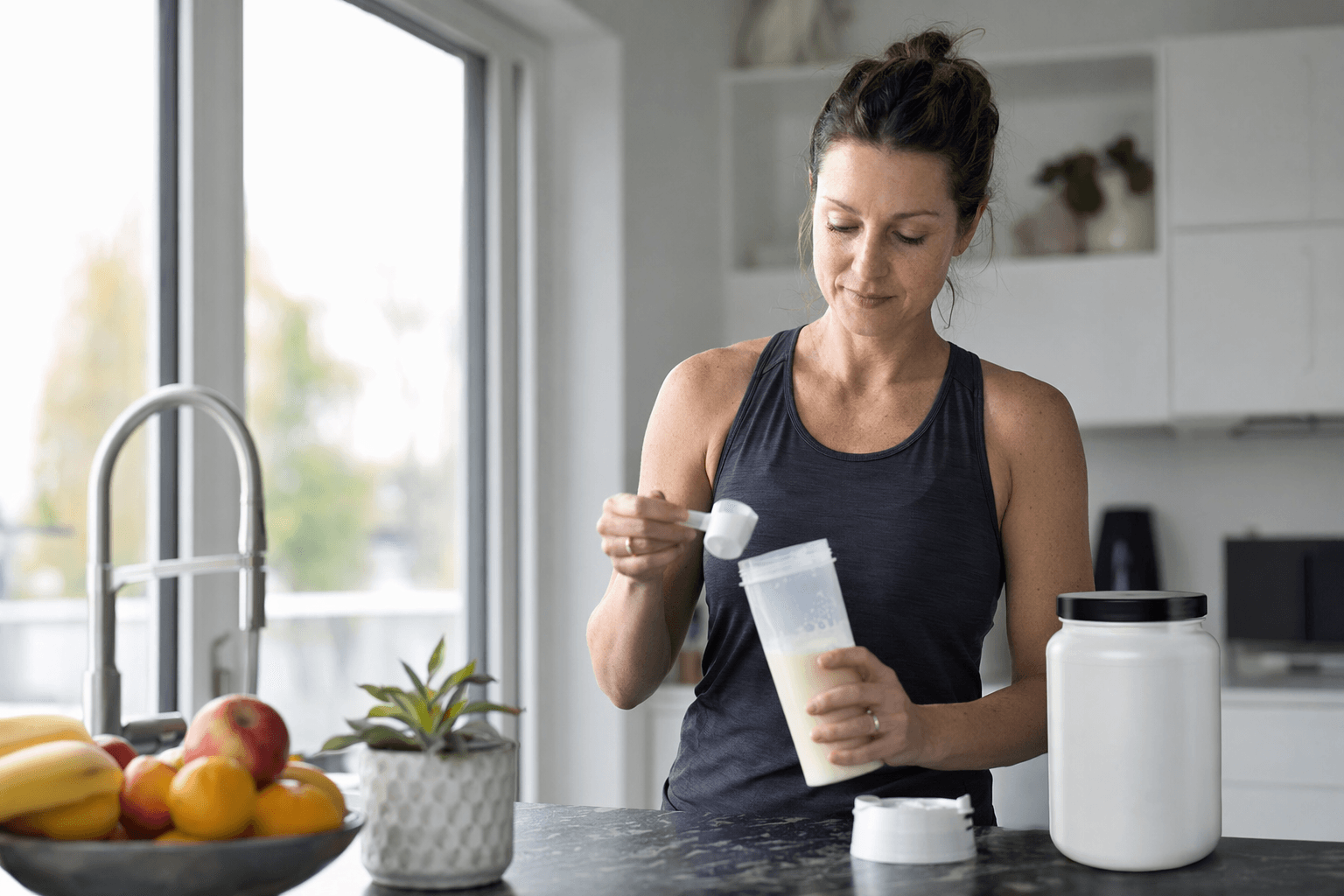
That makes muscle preservation a commercial opportunity as much as a clinical one. Arla’s own materials say up to 76% of GLP-1 consumers experience gastric discomfort, including stomach pain, nausea, constipation, diarrhoea and loss of appetite. It is a reminder that the emerging consumer is not looking for a bigger protein shake, but for products that work when appetite is reduced, meals are smaller and food tolerance is fragile. Arla is explicitly positioning whey protein, especially Lacprodan BLG-100, as a way to deliver complete protein and essential amino acids in formats that do not feel heavy.
The company’s move also widens the target market far beyond athletes and bodybuilders. Older adults using anti-obesity medications face added risk of falls and frailty when lean mass is reduced, which gives the category a sharper everyday health purpose. That is why the most promising applications are likely to be RTDs, spoonable dairy, meal-replacement formats and small-format snacks, where portion size, digestibility, satiety and flavor all have to work together. Protein is no longer just a macro to be added. In the GLP-1 era, it has to behave like part of the meal solution.
Whether companion nutrition becomes a durable category or a trend-driven subsegment will depend on whether products solve those real friction points better than existing high-protein launches. Arla is making the strongest case yet that the answer may lie in integrated functionality: whey for muscle support, cultures for digestive well-being and smaller servings for a changed appetite. That combination suggests the next battle in protein innovation will not be about grams alone, but about helping consumers keep eating well while they eat less.
This article was produced by Prism’s automated news system from verified source data, official records, and press releases, then run through automated quality and moderation checks before publishing. The system is built and supervised by the people who set the standards it runs under. Read our full AI policy.
Know something we missed? Have a correction or additional information?
Submit a Tip