Bowhead whale protein boosts DNA repair, could inform human longevity
Bowhead whales carry CIRBP at about 100-fold higher levels than other mammals, and the protein helped human cells repair DNA breaks more accurately.
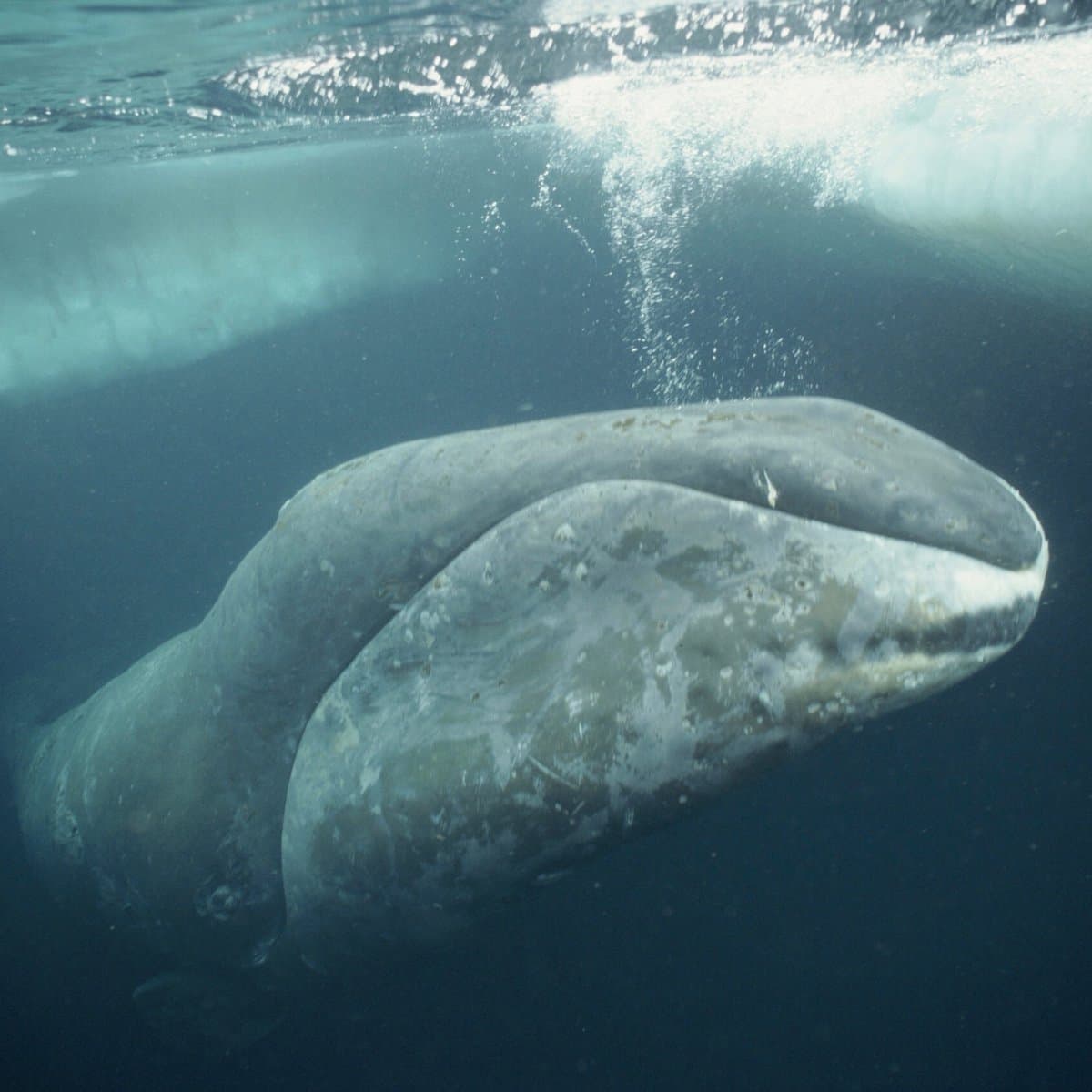
A protein from the bowhead whale may help explain how the Arctic giant keeps its genome intact for more than 200 years. Scientists found that cold-inducible RNA-binding protein, or CIRBP, was present at about 100-fold higher levels in bowhead whales than in other mammals, and that the protein strengthened repair of broken DNA in both whale and human cells.
The work centers on a species that already stands apart in the animal kingdom. Bowhead whales are the second-largest animals on Earth, reaching more than 80,000 kg, yet they appear unusually resistant to cancer, a puzzle that fits Peto’s paradox. In the new findings, bowhead whale cells showed enhanced DNA double-strand break repair capacity and fidelity, along with lower mutation rates than cells from other mammals. The protein also improved both non-homologous end joining and homologous recombination in human cells, two core pathways that patch severe DNA damage.

That makes CIRBP a compelling longevity mechanism to study, but not a near-term human therapy. The key distinction is between understanding why bowhead whales tolerate extreme lifespan and translating that biology into a safe, effective intervention for people. Researchers also reported that overexpressing CIRBP in Drosophila extended lifespan and improved resistance to irradiation, a useful signal in a model organism, but still far from anything that could be offered in clinic.
The bowhead whale has long drawn attention from aging researchers because of its extraordinary lifespan. One whale found in 2007 still had a Yankee Whaler harpoon tip manufactured in 1885 embedded in its blubber, and earlier work using eye-lens aspartic acid racemization suggested an individual could be about 211 years old. A 2024 Science Advances analysis of balaenid whales reinforced the idea that industrial whaling may have masked just how long these animals can live, estimating median lifespans of 73.4 years for southern right whales and 22.3 years for North Atlantic right whales, with 10% surviving past 131.8 years and 47.2 years, respectively.
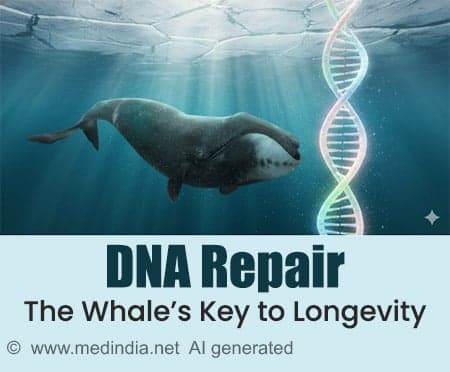
The new bowhead findings, from researchers including Vera Gorbunova, Andrei Seluanov, Denis Firsanov and Max Zacher, suggest the whale may protect itself through exceptional DNA repair rather than relying on extra tumor-suppressor genes alone. That is a powerful clue for aging and cancer biology, and a reminder that the road from a whale protein to human longevity medicine remains long, technical and uncertain.
This article was produced by Prism’s automated news system from verified source data, official records, and press releases, then run through automated quality and moderation checks before publishing. The system is built and supervised by the people who set the standards it runs under. Read our full AI policy.
Did this article answer your question?