Brami raises $33 million to expand protein pasta supply chain
Brami’s $33 million round bets that protein pasta can scale like a pantry staple, not a fad, if the supply chain keeps up.

Brami closed a $33 million Series B led by VMG Partners, a raise that says as much about the state of protein in the pantry aisle as it does about one pasta brand. The money will go toward developing Brami’s supply chain, broadening manufacturing capacity and supporting continued U.S. growth, a signal that investors still see room for shelf-stable protein brands when consumer demand looks repeatable and the operating model looks durable.
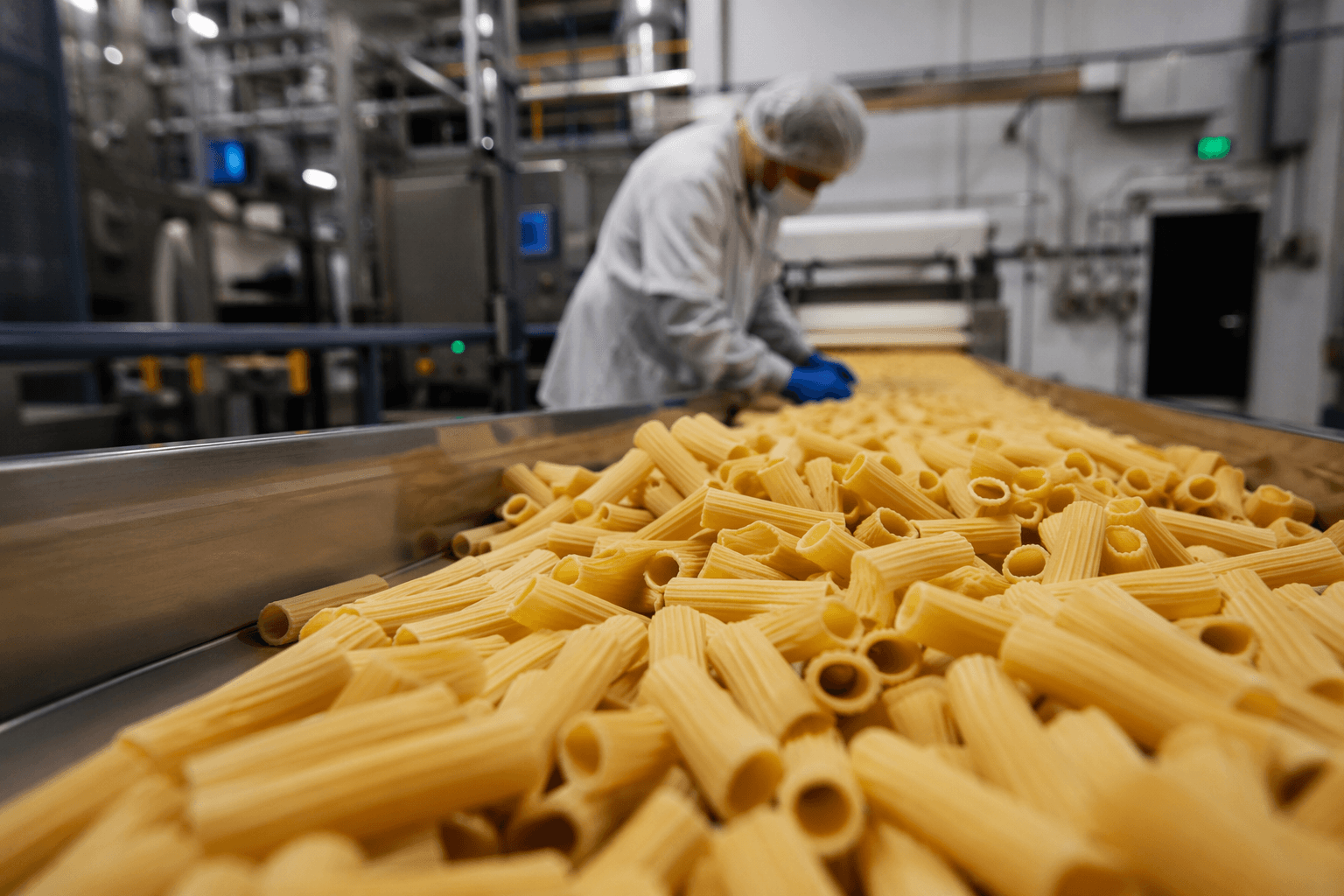
That matters because Brami is not pitching protein as a powder or a bar. The company has built its case around pasta, one of the most familiar meal formats in American homes, and says the category can be upgraded without asking shoppers to change habits. Brami says its products blend Italian durum wheat with whole-milled lupini beans, giving the pasta 21 grams of protein and 9 grams of fiber per serving. The brand positions that formula as an Italian food story, with production in Molise, Italy, a bronze-cut process and mountain spring water folded into the pitch.
The distribution story is already large enough to give the financing weight. Brami said it has been the fastest-growing national pasta brand in the United States for three years running and now sells in more than 4,000 stores nationwide. Retailers named in coverage include Walmart, Target, Whole Foods, Safeway/Albertsons, Costco and Sam’s Club. The company also cited Nielsen data showing product velocity rose 58% year over year, outpacing distribution growth by 30 points, a metric that suggests shoppers are buying through at a pace that can justify more doors and more inventory.
The new capital is expected to help Brami introduce new shapes, reach additional retail accounts and strengthen its Italy-based lupini bean supply chain, a reminder that better-for-you brands are now judged on logistics as much as on branding. Some reporting said existing investors La Molisana, Pentland Ventures, Lerer Hippeau and Gather Ventures participated in the round, extending earlier conviction in the business. For VMG Partners, the bet fits a familiar consumer thesis: a protein-forward brand can still command meaningful capital, but only if it can prove velocity, retailer confidence and the manufacturing backbone to keep a national pantry item on shelf.
This article was produced by Prism’s automated news system from verified source data, official records, and press releases, then run through automated quality and moderation checks before publishing. The system is built and supervised by the people who set the standards it runs under. Read our full AI policy.
Did this article answer your question?