China study tests lactic-acid modified whey protein for muscle synthesis
China’s lactylated whey work is less about one more protein study and more about ingredient engineering. The real question is whether processing can make whey easier to formulate, absorb and use for muscle synthesis.
China’s latest look at hydrolyzed whey protein is interesting because it treats whey as a material to be engineered, not just a number on a label. Researchers first enzymatically hydrolyzed the protein, then applied lactylation, and looked at application, absorption and muscle-synthesis potential. That combination points straight at the commercial bottleneck manufacturers care about most: can a protein ingredient do more than deliver grams, and can it do that in a format people will actually tolerate and buy?
The practical appeal is obvious. Whey already has a strong reputation in sports nutrition because it digests quickly and brings a high-quality amino acid profile. But the market has moved past “more protein” as a selling point. What matters now is whether a protein behaves well in a beverage, works in clinical nutrition, supports recovery, and still tastes and mixes like a product people want to finish.
Why hydrolysis matters before the lactic-acid step
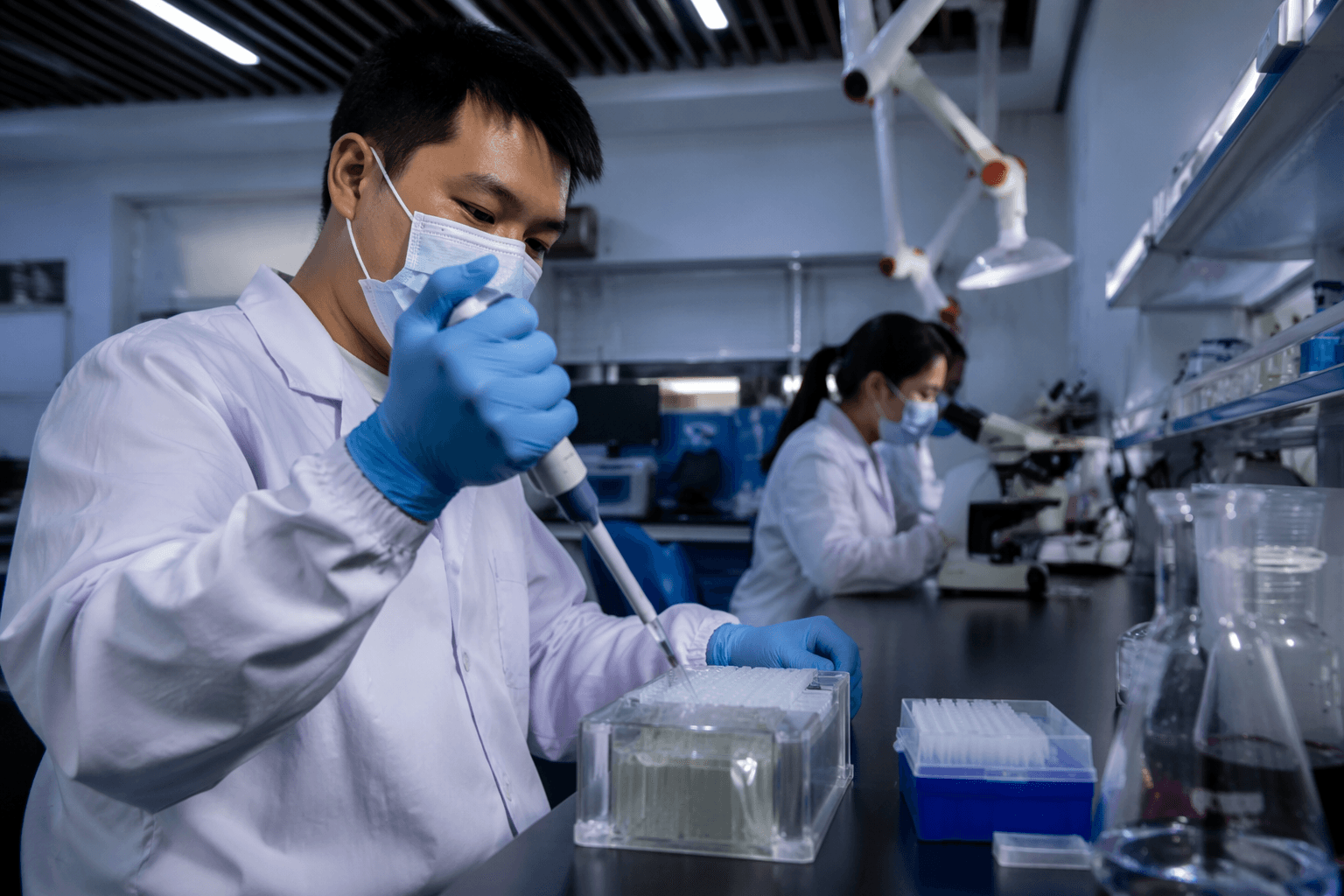
Hydrolysis is not a novelty in nutrition science. Breaking whey protein down with enzymes can change digestibility, solubility and functional behavior, which is why hydrolyzed whey has long been studied for everything from faster amino acid delivery to end-use performance in formula systems. A 2024 review of whey protein hydrolysates emphasized that enzymatic hydrolysis is attractive because it uses mild conditions and can produce peptides with different biological activities.
That matters in manufacturing terms because the ingredient problem is rarely just nutrition. A protein that precipitates, foams badly or tastes rough can be a dead end in a ready-to-drink shake or a medical beverage, no matter how strong its amino acid profile looks on paper. Hydrolysis is the first pass at fixing that, and the China study adds a second layer by asking whether lactylation can push functionality further.
What lactylation adds to the picture
The lactic-acid modification is what makes this work feel like ingredient development instead of routine nutrition testing. Recent broader research has described lactate-driven protein lactylation as an emerging post-translational modification with signaling relevance, which gives the chemistry a larger scientific backdrop than a simple processing tweak. In other words, lactate is not just part of the flavor or fermentation conversation anymore. It is becoming part of how researchers think about protein behavior itself.
For manufacturers, that opens an appealing possibility: a whey ingredient tuned not only for faster uptake, but also for a better place in the formulation toolbox. If lactylation helps hydrolyzed whey perform more cleanly in beverages, powders or clinical nutrition products, it could create a differentiated ingredient with a clearer story than standard whey isolate or generic hydrolysate.
The muscle-synthesis angle is where the commercial pitch gets sharper
The study’s most attention-grabbing finding is that hydrolyzed whey protein after lactylation had a higher leucine content than whey protein. That is not a minor detail. Leucine is one of the amino acids most closely tied to the signaling pathways that trigger muscle protein synthesis, so any process that lifts leucine content immediately raises eyebrows in sports nutrition and recovery products.
The research also extended into muscle-cell work, reporting that the lactylated hydrolyzed whey could promote protein synthesis in C2C12 muscle cells by stimulating the expression of p-S6K and m-TOR. That puts the study in the same lane as a long line of whey research focused on amino acid availability and anabolic signaling. The key question for ingredient buyers is simple: does the modification improve the signal enough to justify the extra process step?
Why this matters for sports nutrition, medical nutrition and high-protein drinks
This is where the story moves from lab chemistry to bottling line reality. Sports nutrition already understands the value of whey, and the International Society of Sports Nutrition has said resistance exercise and protein ingestion both stimulate muscle protein synthesis and work synergistically when protein is taken before or after training. The same guidance has also cited roughly 20 to 40 grams of whey protein per serving as a common range associated with maximizing muscle protein synthesis in many adults.
Those numbers help explain why ingredient companies keep chasing better whey systems. The market is not just looking for protein content. It wants ingredients that fit dosing targets, digest cleanly and behave well in a finished product. That is especially true in high-protein beverages, where instability, haze or poor mouthfeel can sink a product fast, and in medical nutrition, where tolerance and ease of consumption are just as important as the amino acid profile.
How this fits with the older whey hydrolysate playbook
The China study is building on an already established idea. Earlier research found that whey hydrolysate can raise blood amino acid concentrations more rapidly than intact whey protein, which is exactly why hydrolysates have been used to chase faster delivery. A 2019 paper also reported that whey hydrolysate can stimulate muscle protein synthesis after exercise.
That history matters because it suggests the new lactylation work is not trying to reinvent whey from scratch. It is trying to sharpen an existing tool. If hydrolysis gets the protein into the bloodstream faster, and lactylation further improves the ingredient’s amino acid profile or biological response, then manufacturers may have a more specialized ingredient that can justify premium pricing in performance and clinical formats.
What problem does this actually solve for manufacturers?
The real bottleneck is not whether whey can support muscle synthesis. It already can. The harder problem is building a protein ingredient that does several jobs at once: it needs to support the biology, survive processing, mix cleanly, and fit the sensory demands of a commercial product. That is where hydrolyzed and lactylated whey could become more interesting than standard whey powder.
- high-protein beverages that need better stability and easier drinking
- sports products that want rapid amino acid delivery around training
- medical nutrition formats where digestibility and tolerability matter
- premium protein systems that need a differentiated ingredient story
If the modification truly improves absorption and functional behavior, it could help in:
That said, the leap from promising study to plant-ready ingredient is still the real test. Manufacturers will want to know whether lactylation changes cost, consistency, flavor, shelf stability and processing tolerance. A promising muscle-cell result is useful, but it does not automatically solve the headaches of scaling a new ingredient.
The bigger signal for protein formulation
The broader message is that protein science is getting more precise. The field is moving away from the old habit of treating protein as a bulk nutrient and toward a more exact question: how does processing change what the ingredient can do in the body and in the package? That shift is already visible in whey hydrolysate research, and lactylation pushes it one step further.
For ingredient makers, that is the opportunity. For formulators, it is the challenge. The next generation of protein products will not be won by protein grams alone. It will be won by ingredients that solve specific performance problems, from absorption to muscle-synthesis signaling to the messy reality of making a drink people actually want to finish.
This article was produced by Prism’s automated news system from verified source data, official records, and press releases, then run through automated quality and moderation checks before publishing. The system is built and supervised by the people who set the standards it runs under. Read our full AI policy.
Know something we missed? Have a correction or additional information?
Submit a Tip