Consumers Demand Everyday Wellness, Restaurants Add Protein to Familiar Favorites
Protein is shifting from a premium add-on to a baseline expectation, pushing brands to prove real wellness benefits in foods people already buy.
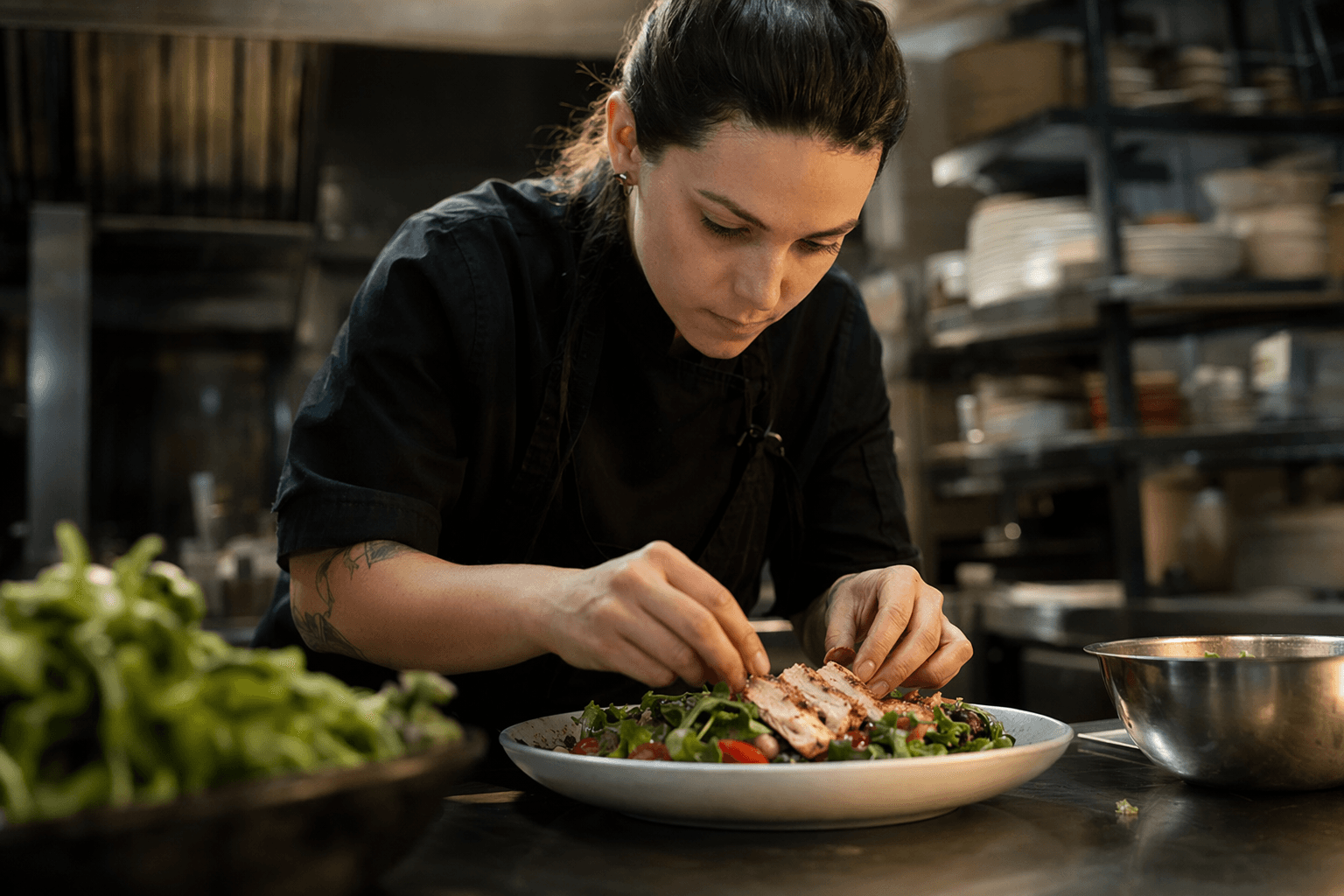
The new baseline for food and drink
Protein is moving out of the novelty lane and into the everyday expectations consumers bring to both grocery shelves and restaurant menus. The clearest signal is simple: GlobalData’s 2025 Q4 survey found that 66% of consumers say purchasing decisions are influenced by perceived health impact, which means shoppers are not just asking whether something tastes good, but whether it does something useful too.
That shift is reshaping how products are judged. GlobalData describes the market as an “everyday wellness” trend, where people increasingly want taste and convenience alongside clear nutritional value. In practice, that means protein is no longer selling as a standalone virtue. It is being folded into a broader functional stack that also includes satiety, muscle support, energy management, digestive health, smaller portions and on-the-go convenience.
Protein is becoming table stakes
The biggest change in this story is not that consumers like protein, because they have for years. It is that they now expect it to show up in familiar formats without forcing them to compromise on flavor or ease. That expectation is what turns protein from a premium claim into a baseline one, especially in categories that already live close to daily routines: coffee, smoothies, snacks, boxed meals and comfort food.
Food Business News’ April 28 analysis makes that point by showing how functionality is becoming the new normal. The article frames protein as one part of a wider movement toward foods that can do more than one job at once. A product still has to satisfy the original need, but it is increasingly expected to deliver a second benefit, whether that is helping with fullness, supporting muscle maintenance or simply making a daily habit feel more worthwhile.
This is where the pressure on brands intensifies. A protein label alone is no longer enough to stand out. The product has to make the claim credible, fit into an existing eating occasion and still feel like something people would choose again tomorrow.
Restaurants are turning familiar items into wellness stops
Foodservice is leaning hard into this shift because restaurants can make functional benefits feel immediate and customizable. Starbucks is a clear example. The chain has launched protein lattes, protein cold foam and protein-boosted milk, and it allows customers to personalize protein drinks through its app. That matters because it turns protein from a fixed menu add-on into something customers can adjust to their own routines and goals.
The ingredient story also matters. Starbucks’ UK site says the protein blend uses whey protein concentrate and milk powder, which gives the offer a more concrete functional identity than a vague wellness promise. That kind of specificity is becoming important as consumers get more fluent in protein claims and start distinguishing between marketing language and actual formulation.
Tropical Smoothie Cafe is taking a similar route with a limited-time premium protein smoothie lineup launched in January 2026. QSR Magazine reported that the chain said 60% of consumers were actively seeking ways to incorporate more protein into their diets, a figure that helps explain why smoothie chains, coffee shops and other fast-casual operators see protein as a traffic driver rather than a niche add-on.
The broader restaurant lesson is straightforward: if the base item is familiar enough, protein can make it feel smarter without making it feel foreign. That is a powerful combination in a market where convenience still matters, but nutrition is no longer optional.
Packaged foods are following the same pattern
The packaged-food side is moving in the same direction, and the products getting reformulated are telling. Protein is no longer confined to sports bars, powdered shakes or specialty health aisles. It is showing up in snacks, boxed meals and comfort foods that consumers already know how to use.
PepsiCo launched Doritos Protein in 2026, giving one of the most familiar snack brands in the market a functional twist. The product uses dairy-based protein, specifically casein, and comes in Nacho Cheese and Sweet & Tangy BBQ. That flavor-first framing is important. It suggests the brand is trying to preserve the core Doritos experience while adding a nutritional reason to buy.
Kraft Heinz took the same path with PowerMac in March 2026. The product delivers 17g of protein and 6g of fiber per serving, which is a strong example of the broader functional stack consumers are starting to expect. Protein handles the satiety and muscle-support narrative; fiber adds another wellness credential that helps the product feel more complete. The result is a comfort-food format that now carries a far more explicit nutritional pitch.
Reports also point to protein versions of Kraft Mac & Cheese and Pop Tarts, reinforcing the bigger shift: everyday staples are being reformulated to serve performance and pleasure at the same time. That is the real marker of maturity in this trend. When protein appears in foods that were never originally built around fitness, it signals that the market has moved beyond a special-purpose health aisle.
What brands need to prove next
The opportunity is obvious, but so is the burden of proof. Consumers may be open to protein in more places, yet that does not mean every claim will carry equal weight. Brands that can add protein, fiber or sustained-energy benefits without damaging taste, texture or convenience are the ones most likely to win repeated purchases.
The companies that struggle will be the ones still treating “healthy” as a premium separate from the main product experience. That approach is losing its pull because consumers are not asking for a tradeoff anymore. They want foods and drinks that feel normal, fit the moment and still do some work on their behalf.
That is why the next phase of innovation looks less like a protein arms race and more like a redefinition of everyday food. Snacks, coffee, smoothies and boxed comfort foods are becoming nutrition platforms, and the winners will be the brands that make functionality feel built in rather than bolted on.
This article was produced by Prism’s automated news system from verified source data, official records, and press releases, then run through automated quality and moderation checks before publishing. The system is built and supervised by the people who set the standards it runs under. Read our full AI policy.
Did this article answer your question?