Consumers favor whole-food protein over shakes, survey finds
Whole-food protein is gaining ground over shakes, with 65% preferring minimally processed protein and 85% calling it healthier.
Consumers are signaling that protein’s premium tier belongs to whole foods, not shaker bottles. In a national survey of 2,000 U.S. adults, Pre Brands found a sharp preference for recognizable protein sources over processed convenience products, a shift that cuts against the category’s long reliance on bars, shakes and fortified shortcuts.
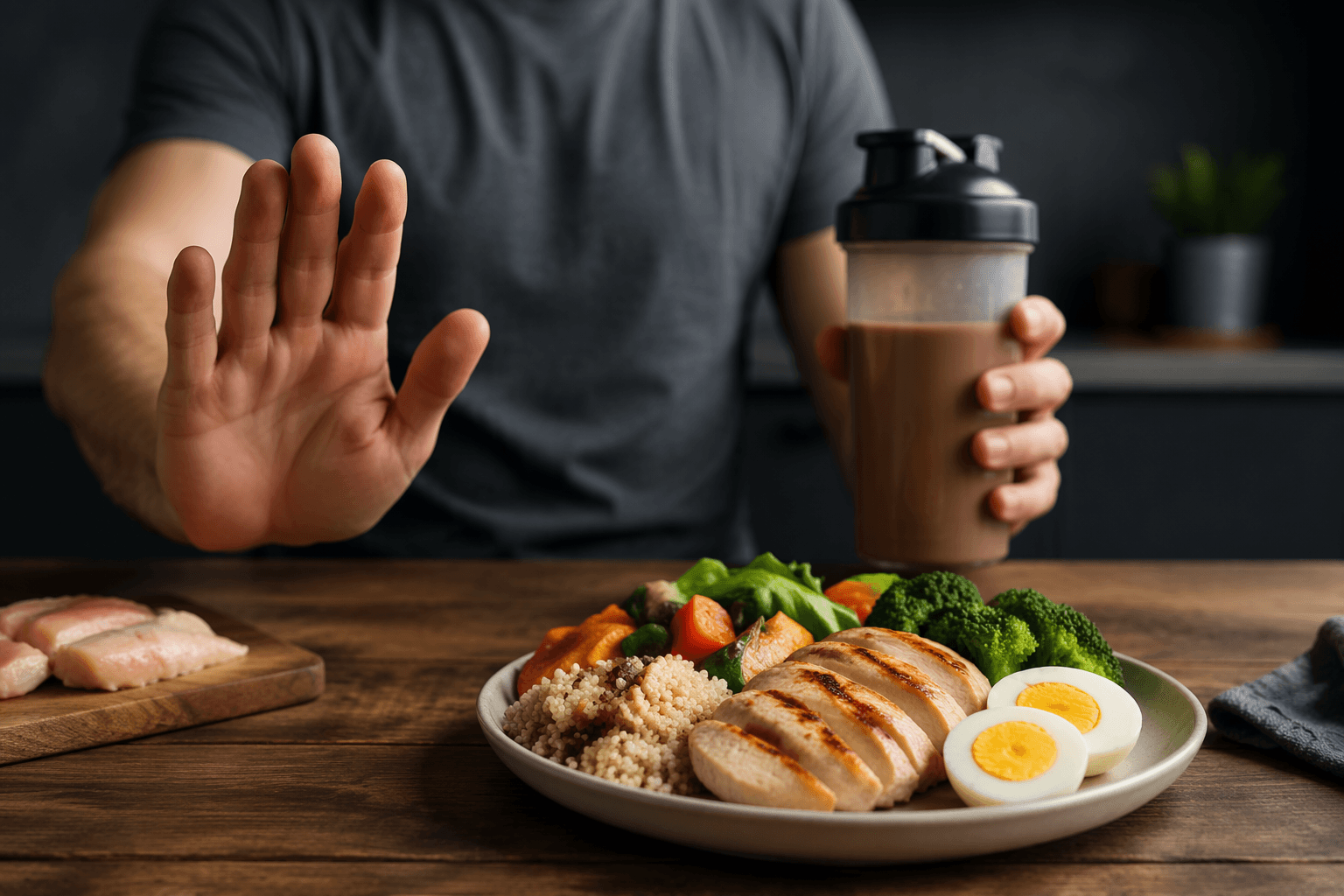
The numbers were striking. Eighty-five percent of respondents said whole-food protein is healthier than protein from processed products. Another 79% said it is more satisfying, and 74% said it is more filling. Even more telling for a market built around ready-to-drink and ready-to-eat products, 65% said they would rather eat clean, minimally processed protein than drink a shake.
The survey also suggests that consumers are defining premium protein less by marketing claims and more by the eating experience itself. When asked what premium protein means, respondents most often cited high-quality nutrition, followed by whole and real-food ingredients and then superior cuts or texture. Flavor emerged as the strongest single driver of whether protein felt premium, ahead of nutrition quality.
That matters for beef. Pre Brands said the findings align with consumer perceptions around meat, and the survey backed that up: 44% said beef delivers the best taste of any protein, 29% said beef feels like the most premium protein overall and 31% said beef is the most functional protein for health and fitness goals. The company is using the results to argue that consumers want protein that is recognizable, minimally processed and compatible with a balanced lifestyle, not simply a dense macro count.
The broader nutrition backdrop supports that reading. Johns Hopkins Bloomberg School of Public Health has argued that the real issue is not a dramatic need for more protein, but a need to diversify protein sources and eat more fiber-rich foods. Stanford Medicine has said the 2025-2030 Dietary Guidelines place too much emphasis on protein while downplaying fiber, and the American Heart Association still sets the adult Recommended Daily Allowance at 0.8 grams of protein per kilogram of body weight per day.

The timing is also notable because protein bars and shakes are drawing more scrutiny as ultra-processed foods. Tufts Now noted in January 2026 that most protein bars fall into that category, even when they are marketed as healthy snacks. Against that backdrop, Pre Brands’ survey points to a real recalibration: protein is no longer just about more, but about better, and whole-food claims are now competing directly with the processed products that once dominated the aisle.
This article was produced by Prism’s automated news system from verified source data, official records, and press releases, then run through automated quality and moderation checks before publishing. The system is built and supervised by the people who set the standards it runs under. Read our full AI policy.
Did this article answer your question?