CookUnity data shows GLP-1 users driving demand for protein-forward meals
CookUnity says 83% of its GLP-1 meals are built around animal protein, and nearly four in 10 subscriber orders now include at least one of them.
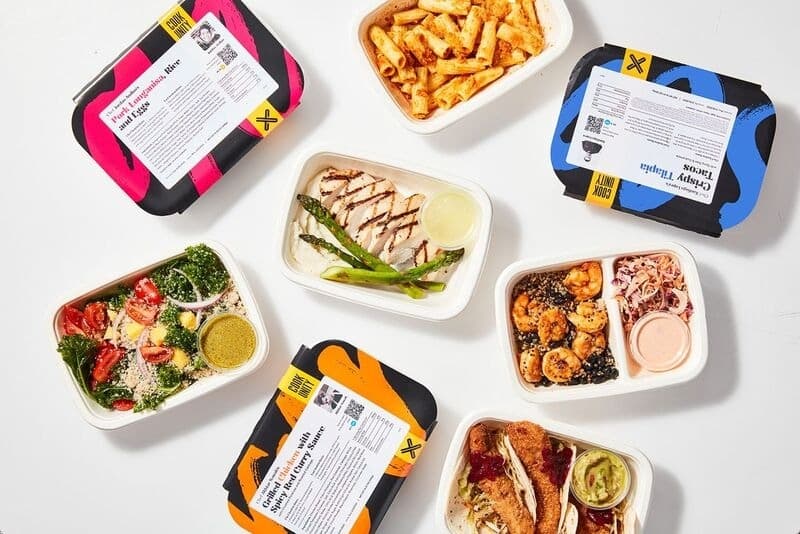
CookUnity is using fresh dining data to make a bigger claim about GLP-1 users: the drugs are changing not just how much people eat, but what they choose to put on the plate. The chef-led meal delivery company said its GLP-1-aligned menu grew 44% year over year, and nearly four in 10 orders from all subscribers now include at least one GLP-1 meal.
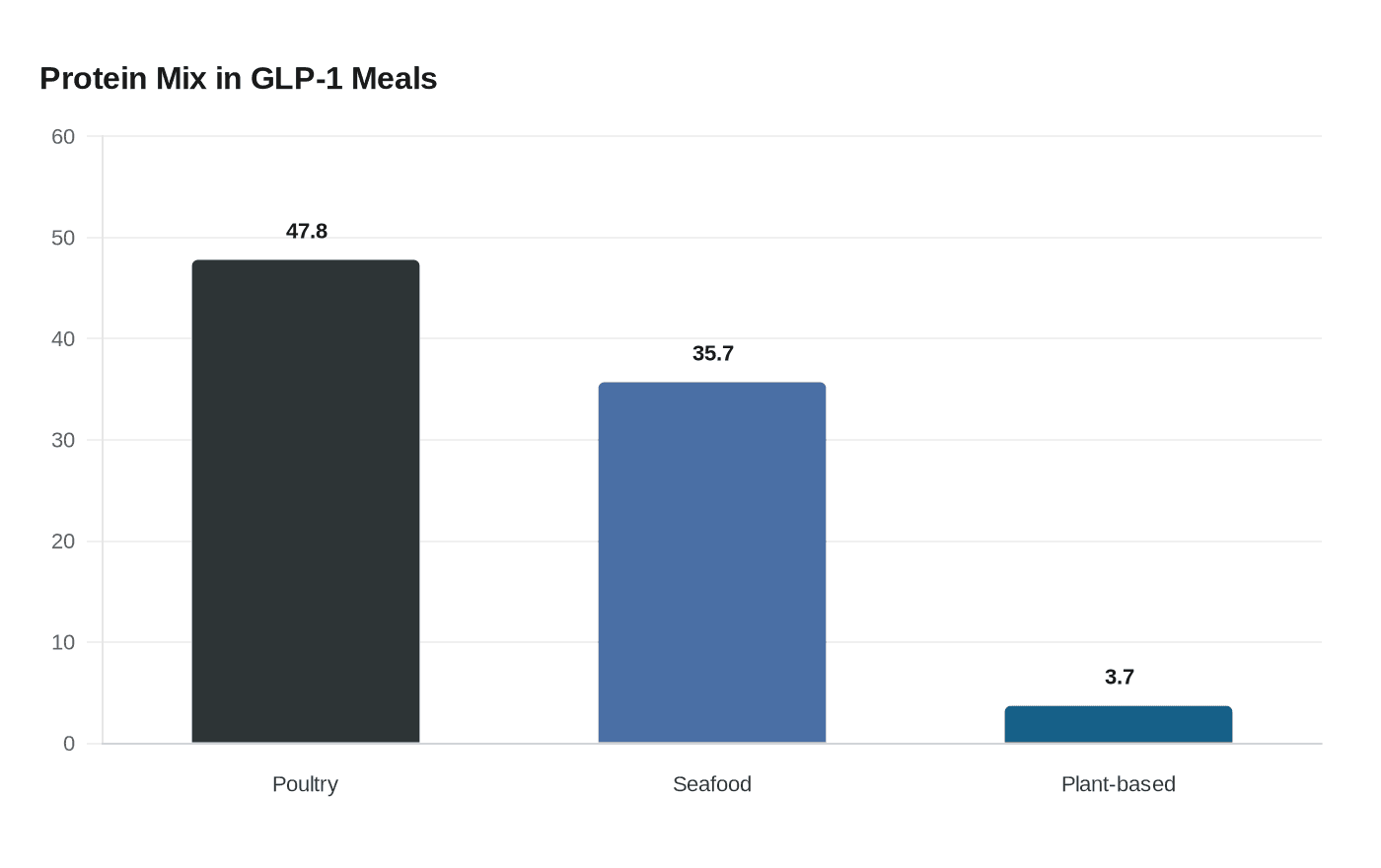
The clearest signal is in the protein mix. More than 83% of CookUnity’s GLP-1 meals are centered on animal-based proteins, with poultry accounting for 47.8% and seafood 35.7%. Plant-based options make up just 3.7% of orders. That pattern suggests many diners on weight-loss medications are prioritizing satiety, energy and muscle support over strict plant-based eating, especially when appetite is lower and portion size matters more.

CookUnity introduced its GLP-1 Balanced Meal Collection in February 2025 as the first chef-curated meal collection tailored specifically for GLP-1 users. The company has framed the line around high-protein, perfectly portioned meals that also contain fiber and essential vitamins and minerals. It says that many GLP-1 users forget to eat, fill up quickly and do not get enough protein, a gap that can lead to fatigue and possible muscle loss.
That positioning reflects a practical nutrition playbook rather than a niche diet trend. CookUnity recommends 1.2 to 1.6 grams of protein per kilogram of body weight per day, or about 25 to 35 grams per meal. The company’s menu data shows that diners are responding to meals built around those priorities, including dishes such as Mexican Chicken Bowl, Lemon Baked Tilapia and Chipotle Lime Salmon, where bold flavor is paired with a clear protein anchor.
The company said the most popular cuisines among GLP-1 diners include Asian, European and American, another sign that this market is not asking for a separate culinary category so much as a recalibrated version of familiar meals. At the Food & Health Conference, CookUnity presented the findings during the Balancing Nutrition in the Age of GLP-1 panel and argued that the behavior is moving into the mainstream.
CookUnity’s healthcare business is scaling alongside that consumer shift. Its Food As Medicine program with health organizations expanded 529% year over year, and meal offerings tied to GLP-1 treatment plans are growing with it. The broader market is moving in the same direction: global dairy companies and food producers are investing heavily in protein-rich whey, and a 2025 American Journal of Clinical Nutrition consensus paper said GLP-1s are reshaping obesity treatment even as real-world nutrition and lifestyle support remains a limiting factor. For meal delivery, restaurants and institutional foodservice, the next menu brief is becoming clear: less emphasis on volume, more on protein density, digestibility and flavor that still satisfies when appetite is fading.
This article was produced by Prism’s automated news system from verified source data, official records, and press releases, then run through automated quality and moderation checks before publishing. The system is built and supervised by the people who set the standards it runs under. Read our full AI policy.
Did this article answer your question?