Dairy emerges as next GLP-1 winner, industry bets on protein and gut health
As GLP-1 users eat less, dairy is being recast as a compact source of protein, calcium and gut-friendly function. Industry leaders say that makes every pound of milk more valuable.

The GLP-1 shift is forcing food to work harder, and dairy is suddenly looking unusually well suited to the job. At the National Restaurant Association Show in Chicago, industry voices argued that smaller portions and protein-first eating are pushing consumers toward foods that deliver more nutrition per bite, with dairy standing out for protein, calcium and fermented formats that may support gut health.
Why dairy fits the GLP-1 moment
The appeal starts with behavior change. As people on GLP-1 therapies and similar diets eat less, they are not simply cutting calories, they are looking for foods that feel efficient, satisfying and nutritionally dense. Rachel Royster, director of strategic planning and innovation at CSSI/Connections in Chicago, described the GLP-1 effect as a shift toward smaller portions, protein-forward choices, and less interest in sugar and alcohol.
That matters because dairy is not trying to win on just one attribute. Protein is the obvious entry point, but the category also carries calcium, which keeps it tied to bone density and broader nutritional adequacy. Fermented dairy adds another layer, with industry discussion pointing to gut balance and possible support for natural GLP-1 secretion through compounds such as butyrate. In other words, dairy is being positioned less as a single-nutrient play and more as a package of benefits that fits an era of tighter intake.
The strategic question is whether that is a true advantage or simply a smarter way to market long-standing strengths. Protein, calcium and probiotics or fermentation are not new claims. What is new is the consumer context: when every bite has to do more, the combined proposition starts to look more powerful than any one attribute on its own.
The show floor logic behind the argument
Royster’s remarks landed at the National Restaurant Association Show, held May 16 to 19 in Chicago, a setting that gives the message broad reach across foodservice and retail supply chains. The show is described as the largest foodservice event in the Western Hemisphere, with more than 2,200 exhibitors and about 55,000 attendees from over 45 countries. That scale matters, because it makes the show less a single conference than a pulse check on where operators and suppliers think consumer demand is headed.
Her framing matched the broader session narrative around GLP-1s. The diet pattern emerging from these therapies is not about deprivation alone. It is about smaller plates, more protein and less appetite for sugar and alcohol, which changes the economics of menu design and product formulation. Dairy fits that transition because it already sits inside breakfast, snacks, beverages, cultured foods and dessert, giving manufacturers multiple ways to rework the category without starting from zero.
For processors, that means the opportunity is not limited to liquid milk. It extends into yogurt, cultured products, powders, novelty ice cream, ingredient systems and blended formulations that can be tuned for protein, texture and convenience. The most important shift is not that dairy suddenly became relevant. It is that the category now aligns with a consumer who is eating less but expecting more from each serving.
Protein is the first sell, but not the whole story
Protein remains the clearest doorway into the GLP-1 conversation. Royster’s point was that protein is already established, while fiber is moving up and dairy may be next, which suggests the market is searching for foods that can handle multiple nutritional jobs at once. Dairy has an easier time making that case than many categories because its protein is naturally familiar, widely accepted and easy to build into routine eating occasions.
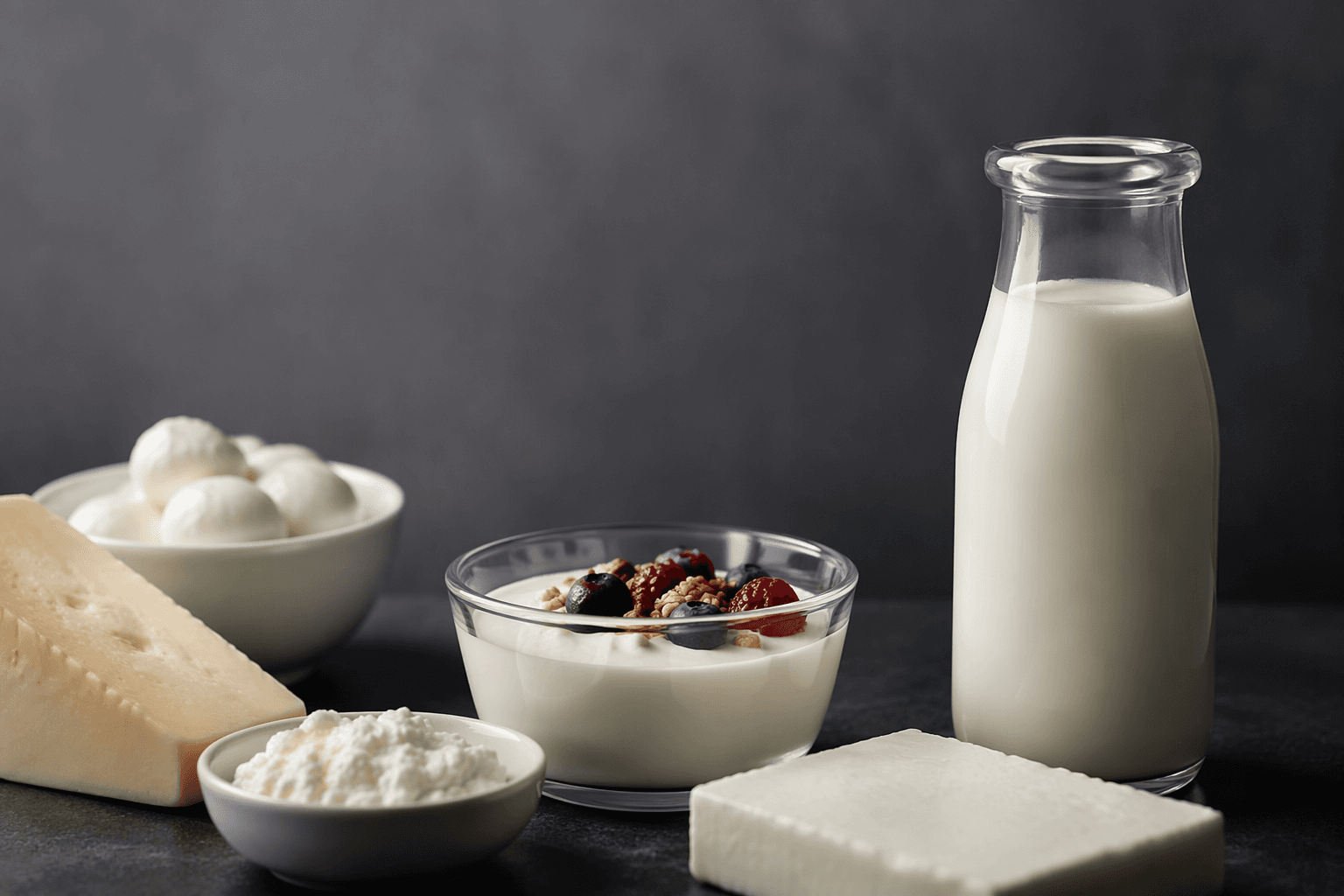
Calcium gives the category a second anchor. In a market where consumers may focus intensely on satiety and weight management, a nutrient associated with bone density helps dairy avoid being trapped in a narrow macro-nutrient conversation. That is especially relevant for people reducing total intake, because lower volume eating makes nutrient concentration more valuable.
Fermented dairy adds the third leg of the stool. A 2022 narrative review explored evidence and proposed mechanisms connecting protein and calcium intake to GLP-1 release, while a February 18, 2026 guest column argued that cultured dairy products such as Greek yogurt and skyr are especially well suited to GLP-1 diets. Put together, those arguments suggest the category is strongest when it is framed as functional, not just filling.
Industry investment is already following the story
The most concrete sign that this is more than a marketing theme came from Idaho Milk Products in Jerome, Idaho, where the company held a ribbon cutting on May 28 for its new ice cream and powder blending facility. The company says the plant represents a $190 million investment and is designed to combine ice cream production with powder blending and customized blending solutions.
Michael Dykes, president and CEO of the International Dairy Foods Association, used the occasion to underline the larger industry shift. He said the sector is producing more nutritious products, creating more value from every pound of milk and investing in advanced technology to meet demand for high-quality protein and dairy ingredients at home and abroad. That message lands especially hard now, because IDFA announced on May 15 that Dykes plans to retire at the end of 2026, making his comments part of a leadership transition as well as a market signal.
Idaho Milk Products chief executive Daragh Maccabee said the investment is intended to convert milk into a wider range of finished products and ingredients, with more value-added uses for cream and milk protein. Trade coverage says the facility can produce up to 54,000 novelty items per hour, a reminder that the new opportunity is not just nutritional, but operational. High-speed manufacturing and precision blending let dairy companies shape products for specific consumer needs instead of relying on commodity positioning.
What the next dairy play looks like
The GLP-1 lens is pushing dairy toward a more targeted future. The winning products are likely to be the ones that combine protein with digestive appeal, better-for-you credibility and familiar usage occasions. That makes cultured products, high-protein snacks, powder systems and functional ice cream formats especially important, because they let the category bridge pleasure and utility.
For processors, the lesson is straightforward: dairy sells best now when it looks like a solution. The market is rewarding products that deliver satiety, nutrient density and functional value in smaller servings, and that is a very different brief from the old commodity milk story. If the GLP-1 era keeps reshaping consumer behavior, dairy has a credible case not just to participate, but to lead.
This article was produced by Prism’s automated news system from verified source data, official records, and press releases, then run through automated quality and moderation checks before publishing. The system is built and supervised by the people who set the standards it runs under. Read our full AI policy.
Did this article answer your question?