Danone ties protein innovation to regenerative farming and supply chains
Danone is pushing protein innovation upstream, tying high-protein growth to regenerative farming, raw-material strategy and dairy-farm capability building.
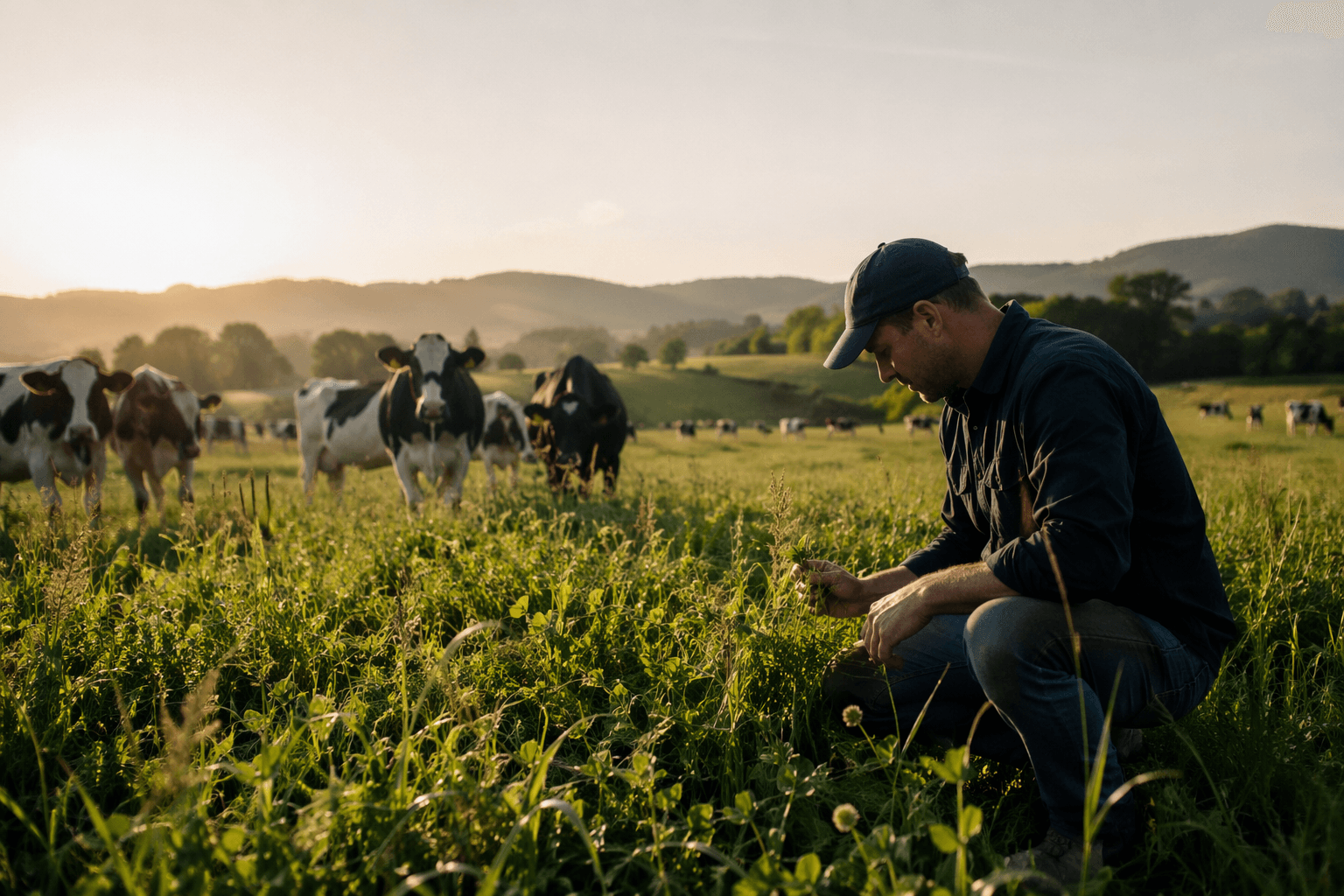
Danone is reframing protein innovation as a farm-to-formula problem, not just a product-development problem. The company is arguing that healthier soils, smarter farming and stronger supply chains will shape the next generation of nutrient-dense foods, especially protein- and fiber-rich products that can hold consumer interest over time.
Upstream is the new protein battleground
That shift matters because it moves the protein conversation away from the finished SKU and back into the system that feeds it. Danone’s own regenerative agriculture materials say the company is working to develop and promote models that protect soils, empower farmers and promote animal welfare, while its 2025 Universal Registration Document says the upstream part of the business, especially raw materials, is becoming a source of value creation, supply-chain resilience and competitive differentiation.
For the protein category, that is a sharper thesis than a generic sustainability pledge. It suggests the quality of the ingredient stream, from dairy inputs to the farming practices behind them, is part of the product proposition itself. If the raw material base is more resilient and more tightly managed, Danone is betting it can support better nutrition, steadier supply and a more durable claim to superiority.
Protein growth is the proof point
The commercial case is already visible in Danone’s 2025 results. The company reported sales of €27.283 billion for FY 2025, up 4.5% like-for-like, with recurring operating margin at 13.4%. Within that performance, its high-protein portfolio, including Oikos, GetPRO and HiPRO, delivered double-digit growth through 2025.
North American growth was also supported by the “winning momentum” of high-protein products, which matters because it connects the upstream story to a live sales engine. Danone is not positioning regenerative farming as a separate corporate responsibility track. It is tying it to categories that are already carrying momentum in the market, and to a regional business that is being lifted by protein demand.
That is where the strategic question becomes more interesting. Danone is clearly investing in the language of nutrient density, but the real test is whether those upstream choices can be translated into measurable product advantages, such as ingredient consistency, stronger dairy quality, better animal outcomes and a more reliable platform for future launches.
Milk Academy turns the idea into operating discipline
Danone has also moved beyond broad messaging into a more practical farmer capability program. The Danone Milk Academy launched on October 30, 2025 as a multi-year global initiative designed to build resilience and long-term viability in dairy farming. It includes three international Centres of Excellence, local trainings and a digital platform, giving Danone a structured way to spread methods across different farm sizes and regions.
That matters because it shows the company is not treating the farm relationship as a passive sourcing channel. The academy is meant to arm farms of all sizes with knowledge and tools to adapt and thrive as modern, resilient businesses, which makes the farming side of the supply chain part of the innovation process itself. In a protein market where dairy remains central to high-protein products, the ability to stabilize farm performance can have direct consequences for formulation, scale and brand consistency.
The move also fits the larger direction of Danone’s strategy. Upstream raw materials are no longer just a cost line to be managed. They are being recast as an operating asset that can support supply security and differentiate the final product in a crowded protein aisle.
What this means for the protein sector
Danone’s playbook offers a clean read on where protein competition is heading. Brands that want to win on nutrient density may need to think less like marketers and more like supply-chain designers, building upstream systems that support the claims they want to make at shelf. That includes the farming practices behind milk and other inputs, the resilience of the supplier base and the ability to connect those choices to product quality.
- Healthier soils can support better raw-material stability.
- Smarter farming can improve the reliability of dairy and crop inputs.
- Stronger supply chains can protect protein-rich product lines from volatility.
- Farmer training, like the Milk Academy, can make those gains repeatable across regions.
Danone is making a clear case that protein innovation starts before the ingredient reaches the factory. Whether the industry sees that as a durable shift or a more sophisticated version of old sustainability messaging will depend on how much of the promise shows up in the finished products, in the supply chain and in the margins that follow.
This article was produced by Prism’s automated news system from verified source data, official records, and press releases, then run through automated quality and moderation checks before publishing. The system is built and supervised by the people who set the standards it runs under. Read our full AI policy.
Know something we missed? Have a correction or additional information?
Submit a Tip