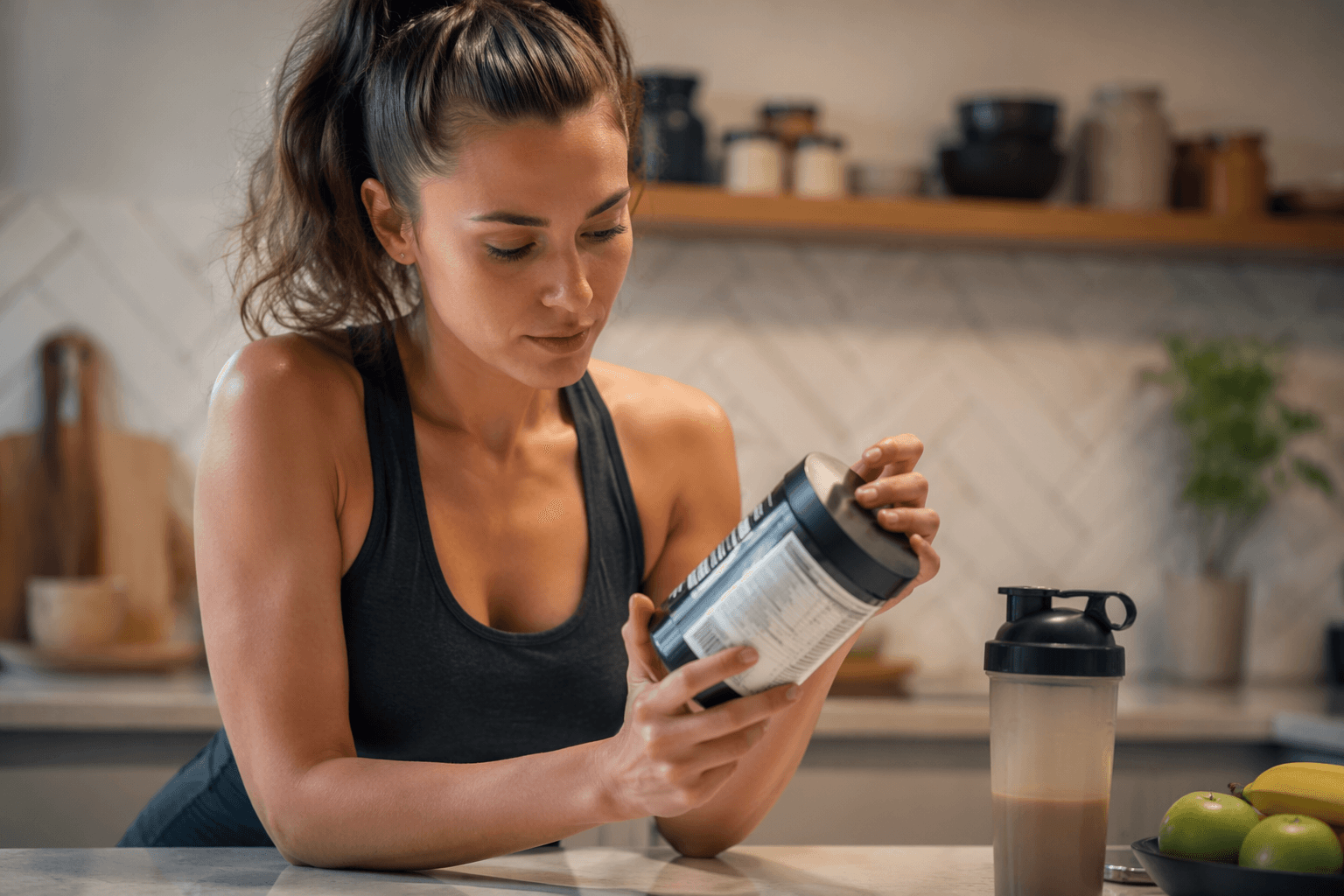
Elmhurst bets on clean protein to reshape RTD beverages
Elmhurst is betting that cleaner labels, not just more protein, will sell RTD shakes. Its 27g plant-based line tests whether simplicity can beat supplement stigma.

Elmhurst 1925 introduced Clean Protein on March 11, 2026. The company is trying to pull ready-to-drink protein out of the supplement lane and into the everyday beverage set. The shakes lean on a short ingredient story, plant-based credentials and a cleaner finish, a clear break from the chalky, gym-coded drinks that still define much of the aisle.
Clean label is the wedge
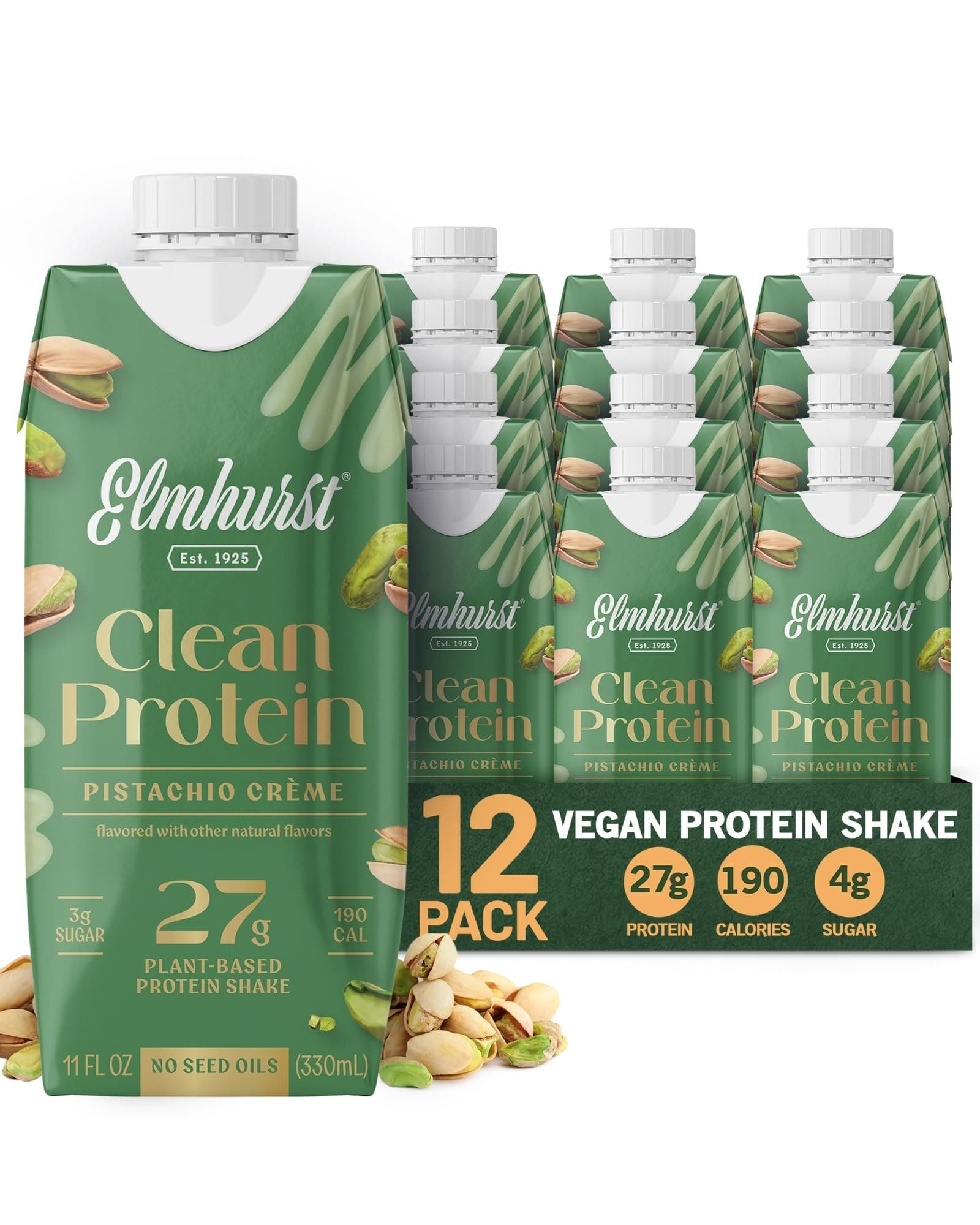
The line is plant-based, delivers 27g of complete protein in 190 calories, and is made without gums, seed oils or artificial sweeteners. It comes in four flavors, Sea Salt Chocolate, Pistachio Crème, Vanilla and Strawberries & Cream, which keeps the flavor set familiar even as the selling point shifts to simplicity.
RTD protein has moved well past the idea that more grams alone will win the sale. Elmhurst is not pitching a bodybuilding recovery drink here. It is pitching a carton designed for the grocery run, the desk drawer and the school pickup line.
What the carton promises, exactly
The shakes promise 27g of high-quality protein, just 190 calories and nearly half your daily protein. The line is also low carb and a good source of calcium, fiber and iron. On the Pistachio Crème listing, Elmhurst calls out 3g of sugar, zero artificial ingredients and a creamy flavor profile.
Consumers who have been burned by grainy shakes and synthetic aftertastes know that protein count is only one part of the deal, and in RTD beverages texture is often the dealbreaker. Elmhurst is betting on a cleaner label, a plant-based base and a more dessert-like flavor lineup, including Sea Salt Chocolate and Pistachio Crème.
Why Elmhurst has credibility in this lane
Clean Protein extends Elmhurst’s existing plant-based portfolio, not a speculative leap into a new category. A company already associated with plant milks and creamers has a built-in reason to talk about simple ingredients and plant-based nutrition without sounding like it is borrowing the language of a sports brand.
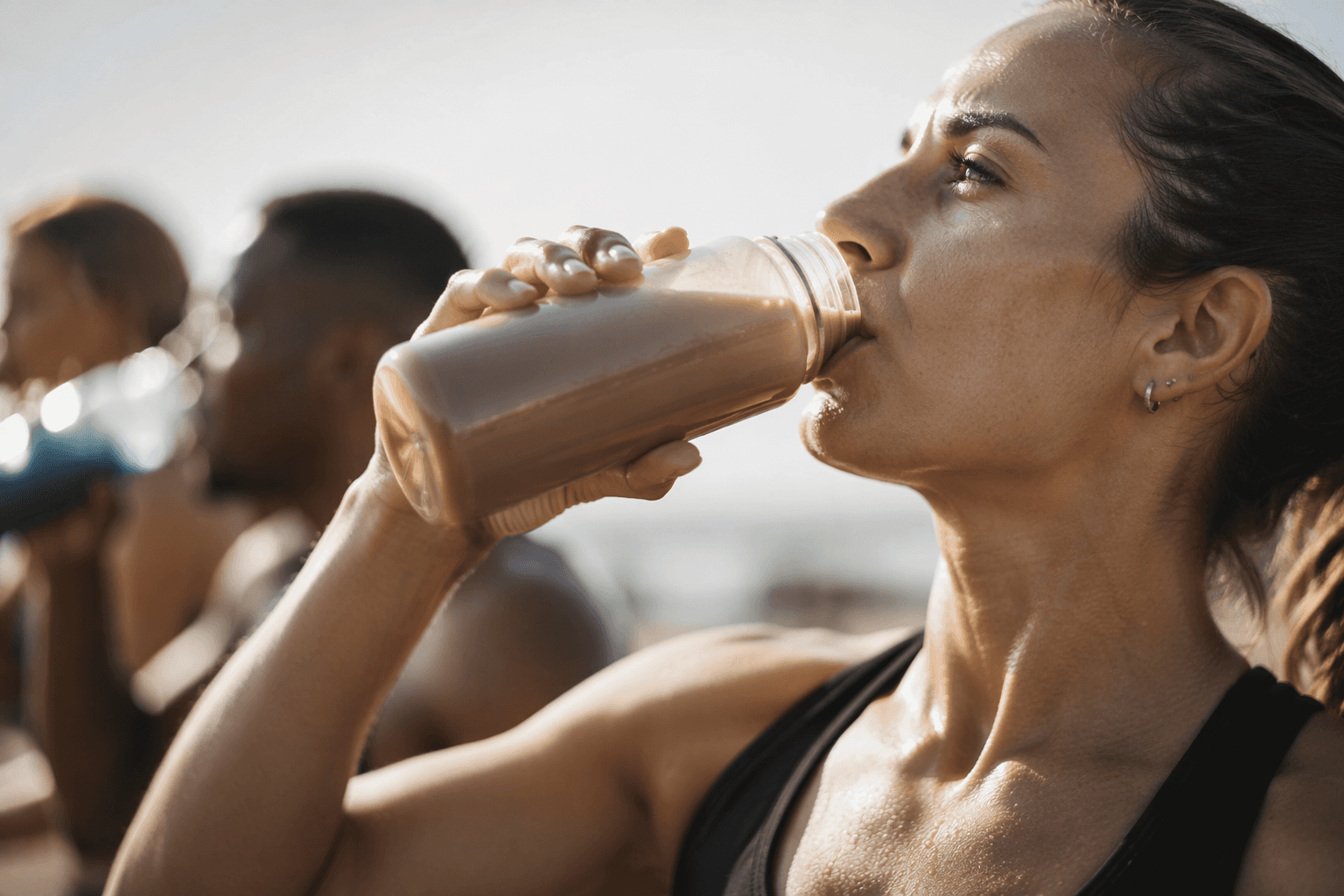
Elmhurst is also making the product for broader use cases than the traditional post-workout shake. The shakes are made for busy routines, from workouts to workdays and everything in between.
Sprouts gives the launch a natural-channel runway
Elmhurst chose Sprouts Farmers Market as the first national retail partner for the RTD protein line. That is a smart launchpad for a product built around clean-label cues, because Sprouts shoppers are already conditioned to look for simpler ingredient decks and better-for-you positioning.
The national rollout also helps separate this launch from a novelty test. A specialty natural channel debut gives Elmhurst a place to prove velocity before pushing harder into broader beverage sets. For a category that is crowded with shelf-stable claims and noisy packaging, early placement in a chain like Sprouts aligns with the product’s positioning.
The market is already large, and still growing
One report estimates the RTD protein beverages market at $2.11 billion in 2026, rising to $3.06 billion by 2031. A separate forecast puts the RTD protein shake market at $6.8 billion in 2025 and $13.9 billion by 2033. Even with different category definitions, both forecasts show a large format still expanding.
Consumer demand supports that growth. The International Food Information Council’s 2025 survey found 70% of Americans said they try to consume protein, compared with 71% in 2024 and 59% in 2022. The survey found that a high-protein diet was the most common diet Americans followed in the past year.
Clean protein is becoming a purchase driver, but it is also premium positioning
The best read on Elmhurst’s move is that clean protein is becoming both a real purchase driver and a premium wrapper for an already popular function. Shoppers want the grams, but they also want shorter ingredient lists, plant-based options and a shake that does not feel engineered to death.
The U.S. Dietary Guidelines for Americans 2025-2030, released on January 7, 2026, emphasize eating more real food and note that some older adults may need fewer calories but still require equal or greater amounts of protein.
This article was produced by Prism’s automated news system from verified source data, official records, and press releases, then run through automated quality and moderation checks before publishing. The system is built and supervised by the people who set the standards it runs under. Read our full AI policy.
Know something we missed? Have a correction or additional information?
Submit a Tip