Farm Girl, Body Energy Club join Protein Industries Canada supply chain program
Farm Girl and Body Energy Club are reformulating with Canadian pea and faba protein, backed by $150,000 for one project. The goal is to move more crops into finished foods.

Protein Industries Canada has added Farm Girl and Body Energy Club to its Strengthening the Canadian Supply Chain program, putting two more consumer brands into a federal-backed effort to move more Canadian ingredients into finished foods. The June 16 announcement is less about a single funding round than about what happens when ingredient sourcing, processing capacity and retail product development start moving in the same direction.
The program was launched in April 2025 to help Canadian manufacturers and processors create or reformulate products for the domestic market using Canadian feedstocks, including wheat, oats, barley, peas, soy and fava beans, with lupin and hemp also in scope. Eligible projects run up to 12 months, cost between $50,000 and $200,000, and can be reimbursed at up to 75% of total costs. Protein Industries Canada, one of the country’s five Global Innovation Clusters, has now moved through three waves of activity, announcing its first five projects in Winnipeg in September 2025 and a second cohort of nine companies in February 2026.

Farm Girl’s project shows the practical logic of the program. The Ontario company is reformulating its granola line to raise protein content with Canadian faba and pea protein, a change that is expected to reduce the retail price, improve nutrition and replace imported ingredients with domestic inputs. The total investment is $254,000, with Protein Industries Canada contributing $150,000. That kind of co-investment is where supply-chain localization becomes measurable: not just more local sourcing in theory, but a branded product that moves from imported inputs to Canadian crops and into grocery shelves at a lower price point.

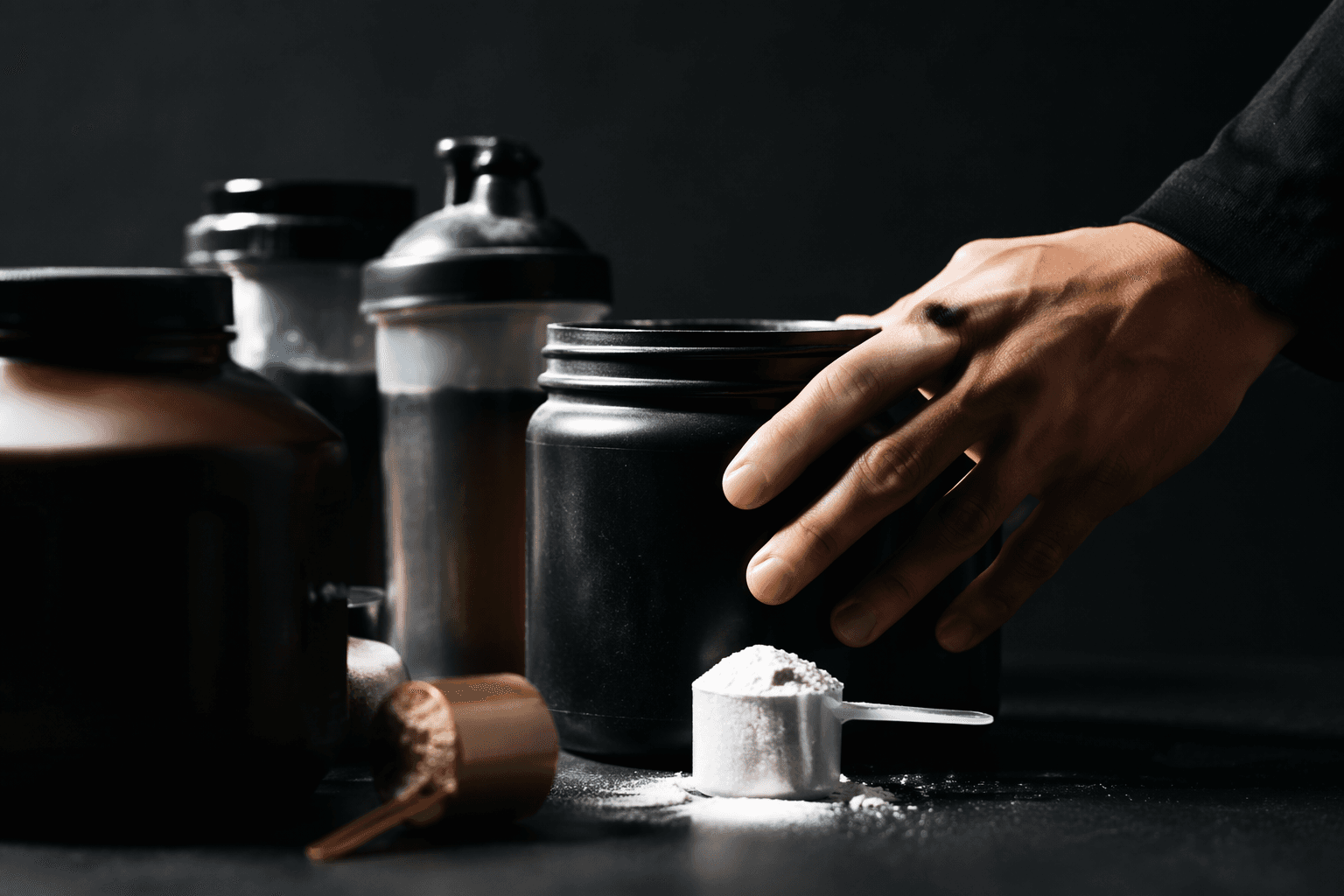
Body Energy Club is taking a similar route from the Vancouver market back through the ingredient chain. The British Columbia company is reformulating its vegan protein powder line with Canadian-sourced pea protein to reduce reliance on imports, improve its environmental footprint and bolster consumer trust. The move also reflects how public-private coordination is shortening commercialization pathways, from crop production to ingredient production to shelf-ready products, without waiting for a full-scale industry shift.

That strategy lines up with the federal government’s National Food Security Strategy, announced June 11, 2026, which calls for Canadians to grow, process and sell more of their food at home. Mélanie Joly tied the Protein Industries Canada investment to that agenda, while Rechie Valdez said the Farm Girl project strengthens Ontario’s food manufacturing sector and helps keep costs down for consumers. Hedy Fry framed the same work around affordability, food security and made-in-Canada manufacturing. The weak link is still scale: Canada has the crop base and the policy intent, but the test is whether enough processors can keep turning pulses and grains into competitive products fast enough to matter.
This article was produced by Prism’s automated news system from verified source data, official records, and press releases, then run through automated quality and moderation checks before publishing. The system is built and supervised by the people who set the standards it runs under. Read our full AI policy.
Did this article answer your question?