FDA weighs new yogurt standards amid Greek yogurt authenticity debate
The FDA is reconsidering yogurt rules as viral claims about “Greek” labels collide with a standard that already allows stabilizers, emulsifiers and certain milk-derived ingredients.
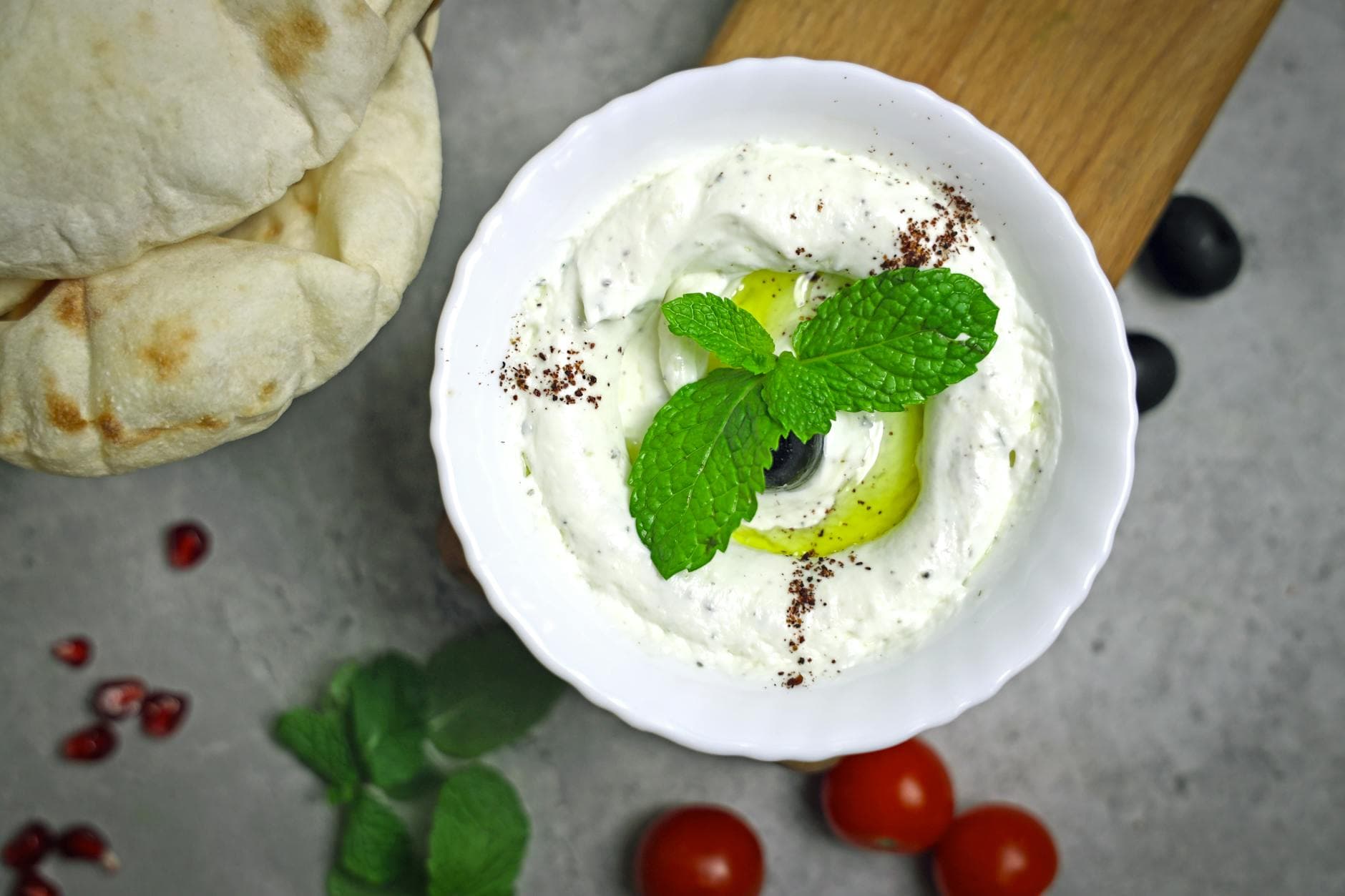
The fight over Greek yogurt has landed at the FDA, where regulators were weighing whether the label still matched how high-protein yogurt is actually made. The agency’s current rule already sets a floor for yogurt at 3.25% milkfat, 8.25% milk solids not fat, and a pH of 4.6 or lower, while still allowing optional stabilizers and emulsifiers.
That matters because the viral criticism aimed at Greek yogurt has centered on authenticity: consumers expect a product made by traditional straining, while the expose claimed some versions rely on powders, starches or gums to deliver thickness and protein. The FDA’s own standard complicates the picture. Under 21 CFR 131.200, some safe and suitable milk-derived ingredients may be used to raise milk solids not fat, so long as protein quality is not reduced.
The agency opened the door to a possible overhaul on January 14, 2025, when it issued a request for information on high-protein yogurt. FDA said the existing yogurt standard may not align with certain manufacturing processes and ingredients used to concentrate protein, and it asked for details on manufacturing methods, ingredients, company practices, trade conventions and consumer studies. Comments were due April 15, 2025.
FDA also said industry comments from a 2019 public meeting, along with reopened comments from a 2005 proposal, supported a new standard of identity for strained, high-protein yogurt. That puts Greek yogurt, Greek-style yogurt and high-protein yogurt squarely in the agency’s modernization pipeline.
The bigger regulatory backdrop stretches back to 1939, when FDA first began creating standards of identity to fight economic adulteration and make sure food matched consumer expectations. Since then, the agency has established more than 250 such standards across foods including milk, peanut butter and ketchup. It also amended the yogurt standard in 2021, 2022 and 2023, saying the changes were meant to modernize yogurt production while preserving the basic nature and essential characteristics of yogurt.
The latest version of the rule, reflected in the eCFR as current on April 23, 2026 and last amended on April 22, 2026, still leaves room for added ingredients that many shoppers may not associate with a plain carton of Greek yogurt. That gap between label and expectation is exactly what makes the category so commercially powerful and so easy to overstate.
Chobani, launched in 2005 by Hamdi Ulukaya, is widely credited with popularizing Greek yogurt in the United States and turning it into a mainstream refrigerator staple. As the category grew, so did the tension between traditional texture and engineered thickness. The FDA’s next move will decide how much of that tension gets written into the label itself.
This article was produced by Prism’s automated news system from verified source data, official records, and press releases, then run through automated quality and moderation checks before publishing. The system is built and supervised by the people who set the standards it runs under. Read our full AI policy.
Did this article answer your question?