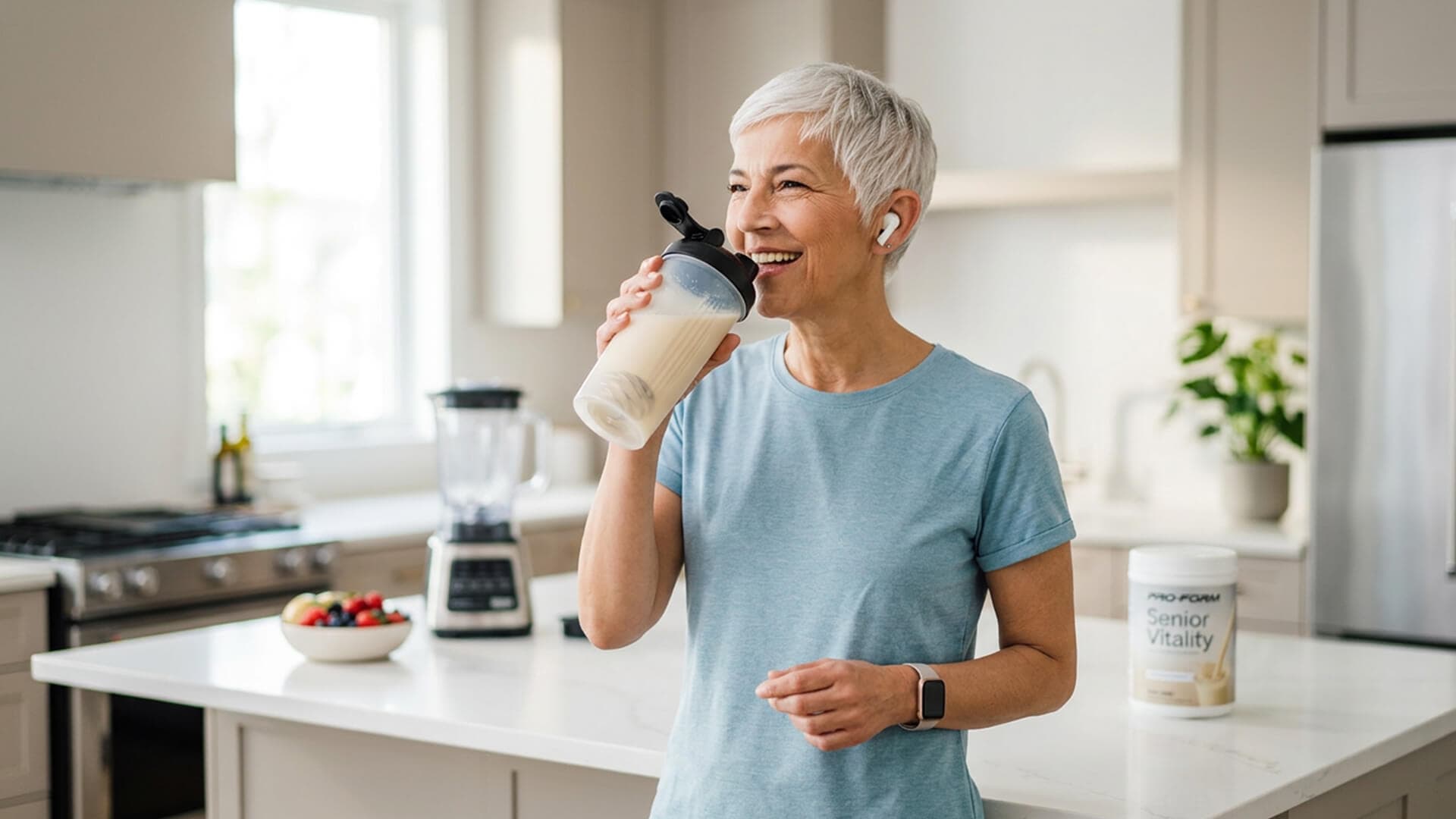
Gen Z reshapes protein buying around snacks, grazing and portable meals
Protein is moving from the meal table to the in-between moments Gen Z actually shops, and that is changing how brands win space, search and baskets.

The snackscape is now the real grocery map
Gen Z is not simply eating differently, it is shopping differently. The old supermarket logic, where shoppers moved calmly from breakfast to dinner aisles, is giving way to mission-led trips, algorithm-shaped discovery and a day built around grazing, recovery and portable meals. That shift is why protein is increasingly winning not as a diet category, but as a flexible answer to the fragmented way younger consumers live.
Circana’s snacking research makes the point plainly: the snackscape is evolving, and understanding changing eating habits is instrumental to assortment, positioning and marketing strategies. For protein brands, that means the battle is no longer confined to the nutrition set. A bar, shake or handheld meal has to earn attention wherever a busy shopper is making a quick decision, whether that is in snacks, beverages, breakfast, convenience or even dessert.
Gen Z is building meals in moments, not in courses
The clearest behavior signal comes from Mondelēz International’s 2024 State of Snacking research. It found that 71% of Gen Z and Millennials prefer many small meals throughout the day rather than a few large ones, and 65% said they were snacking more today than a year earlier. That is not a minor preference shift. It describes a generation that is assembling intake across a series of moments, with protein useful precisely because it can fit into so many of them.
Kantar’s analysis goes even deeper. After studying millions of food and drink occasions across nine countries and three continents, the company identified 14 demand moments behind Gen Z food behavior. It also found that Gen Z is 200% more likely to choose high-protein or vegan diets than earlier generations. The takeaway for category managers is simple: the audience is not thinking in aisle terms, and it is not even thinking in three square meals a day. It is thinking in occasions, moods and use cases.
Protein is now competing with snacks, coffee and dessert
That shift widens the competitive set dramatically. A protein bar or ready-to-drink shake is no longer only competing with other nutrition products. It is also up against convenience food, coffee, bakery items, salty snacks and dessert, all of which can satisfy the same small, immediate mission. In that environment, the most important attributes are not just grams of protein. Impulse appeal, portability and value cues matter because they help a product win the split-second choice.
Conagra Brands’ 2025 Future of Snacking report puts a hard number on the opportunity, valuing the U.S. snacking market at $148.6 billion. It also identifies better-for-you snacking as a major trend, with protein-forward, portion-controlled and nutrient-dense snacks rising especially among Gen Z and Millennials. That matters because it shows protein moving into a broader snacking economy, where health and indulgence are increasingly blended rather than separated into neat categories.
The co-branding data reinforces the point. Conagra says co-branded snacks generate nearly $2.1 billion in combined annual sales. For brands, that is a reminder that identity can travel across categories when the product has a clear mission and a familiar partner. For retailers, it is evidence that shoppers respond to combinations that feel useful, familiar and easy to grab in a single trip.
Portable protein has become the default, not the exception
Cargill’s 2025 Protein Profile shows how far the category has stretched. Protein has expanded from the star of dinner plates to a staple across all meals and snacks, including portable options such as jerky, protein bars and shakes. Cargill also notes that Millennials and Gen Z see handheld protein options like chicken sandwiches and burritos as ideal for busy lifestyles.
That is an important reminder for manufacturers: protein does best when it behaves like a convenience product without losing its quality cues. The winning products are not just high in protein, they are easy to carry, easy to eat quickly and credible in the moments between meetings, workouts, commutes and late-afternoon hunger spikes. In practice, that means the form factor matters almost as much as the nutrition panel.
What brands need to change in merchandising
The collapse of aisle-first shopping means protein brands have to plan for discovery everywhere. If the shopper is building a basket around a mission, then the job is to meet that mission in multiple parts of the store, not just in one nutrition bay.
- Place protein in the snack aisle, but also in breakfast, beverage, deli, bakery, convenience and meal-solution zones.
- Build displays around occasions, such as portable breakfast, afternoon reset, post-workout recovery and late-night grazing.
- Make portion-controlled and nutrient-dense cues visible, since Conagra’s data shows those attributes are rising with Gen Z and Millennials.
- Use cross-merchandising to put protein beside coffee, fruit, bakery and dessert alternatives, where the shopper is already making a tradeoff.
This is where retailers can stop thinking of protein as a destination and start treating it as a supporting actor in several different shopping scripts. The more often a product shows up where the mission is happening, the more likely it is to become part of the default basket.

Digital shelf strategy has to follow the algorithm, not the aisle map
The digital shelf is where mission-led shopping becomes most obvious. Younger consumers are not browsing like legacy supermarket shoppers. They are searching, filtering and responding to social cues, then buying the product that best fits the moment they have in mind. That makes metadata, imagery and search language just as important as placement.
The strongest protein brands will optimize for the phrases Gen Z actually uses, not just the category labels the industry prefers. That means framing products around on-the-go breakfast, high-protein snack, portable meal, quick recovery and better-for-you grazing. Product detail pages should show the product in use, not only isolated on white backgrounds, because the shopper is buying a moment as much as a SKU.
It also means digital content should translate between health and indulgence. A protein product that looks too clinical may lose to a bakery item with better emotional appeal. A product that looks too indulgent may lose its credibility. The sweet spot is a product that can credibly sit in both worlds, which is exactly where Gen Z seems to be shopping.
The new protein playbook is occasion-led
The old question was whether protein belonged in the meal aisle or the snack aisle. That question is too small now. The real challenge is whether a product can show up across the fragmented day, earn a place in multiple missions and stay legible to a shopper who no longer thinks in categories first.
Brands that understand that shift will design for portability, portion control and cross-category relevance. Retailers that understand it will merchandise around need states instead of shelf logic. In a market where Gen Z is more likely than older generations to choose high-protein or vegan diets, and where small meals and snacking are becoming the norm, protein wins by being wherever the day happens.
This article was produced by Prism’s automated news system from verified source data, official records, and press releases, then run through automated quality and moderation checks before publishing. The system is built and supervised by the people who set the standards it runs under. Read our full AI policy.
Did this article answer your question?