Germany backs alternative proteins with biotech roadmap and innovation hub
Germany’s biotech roadmap put cultivated meat and fermentation on the federal agenda, but the real test is whether the promised hub and funding can close Europe’s scale-up gap.
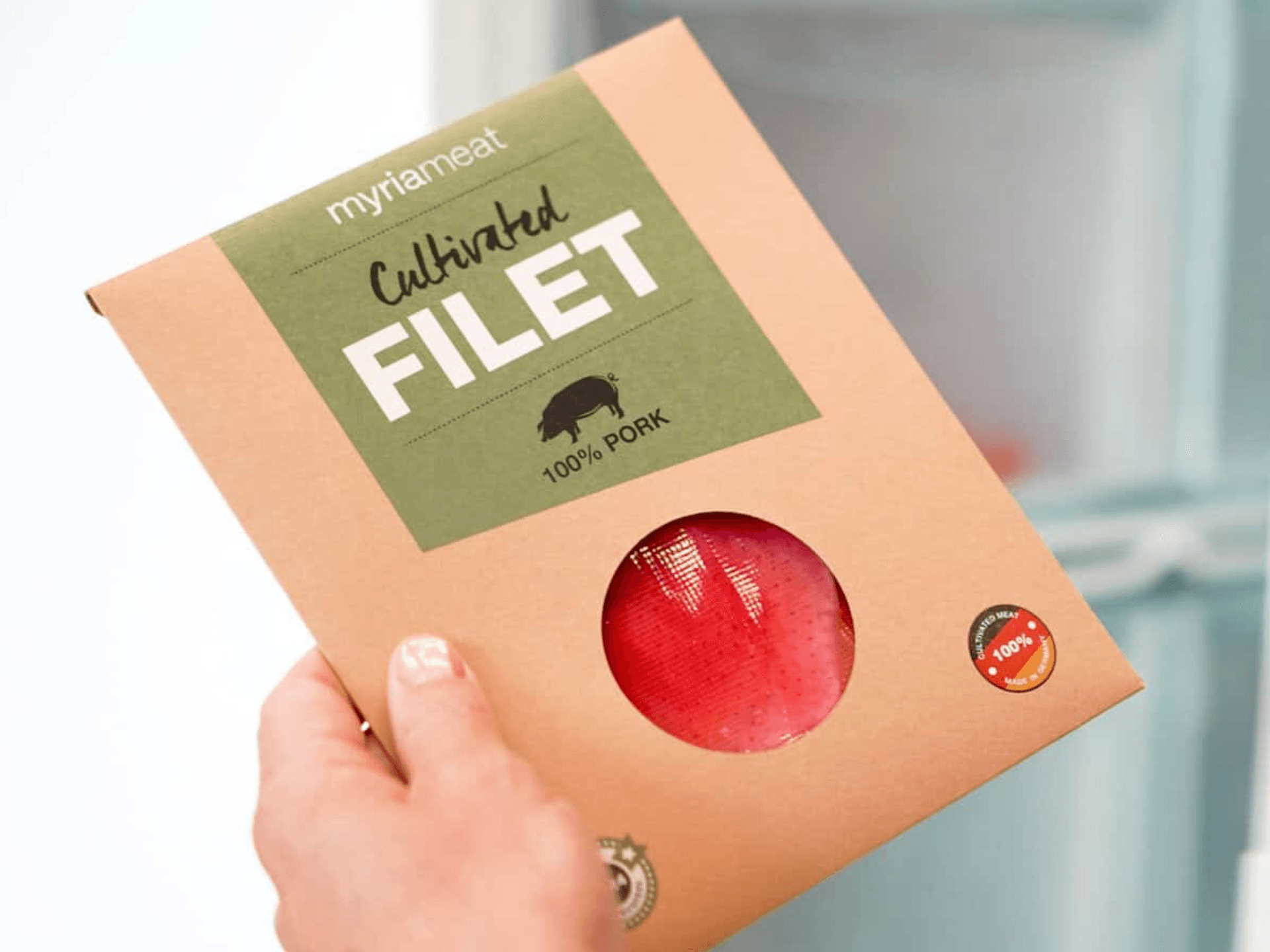
Germany put alternative proteins squarely into its industrial strategy when the federal government rolled out its High-Tech Agenda and Biotechnology Roadmap, with cell cultivation and advanced biotech fermentation among the priority technologies. The package is meant to do more than signal interest: official material says it is designed to strengthen sovereignty, industrial competitiveness and food-system resilience, while speeding the path from research to products that can be sold.
That matters because Germany already has the science. Good Food Institute Europe says German public support for alternative proteins reached about €134 million in 2024, nearly five times the 2023 level, and that the country has published more research on the sector than any other European country in recent years. Even so, the same group says Germany invested €79 million across 2020 to 2025, or less than €1 per person, leaving it 10th in Europe on a per-capita basis despite ranking third by total funding. Across Europe, public funding for the field rose from just over €80 million in 2020 to more than €320 million in 2024, a reminder that the race is becoming more crowded.
The new roadmap tries to answer that competitiveness gap with concrete policy levers. It calls for faster approval processes, possible regulatory sandboxes and stronger support for industrial biotechnology, including scale-up investment. It also says Germany will play a prominent role in the future EU IPCEI Biotech initiative, a sign that Berlin wants to shape the next layer of European biotech industrial policy rather than simply react to it. For companies working on cultivated and fermentation-enabled proteins, those details matter as much as headline support, because rules and pilot infrastructure often determine where the first commercial launches happen.
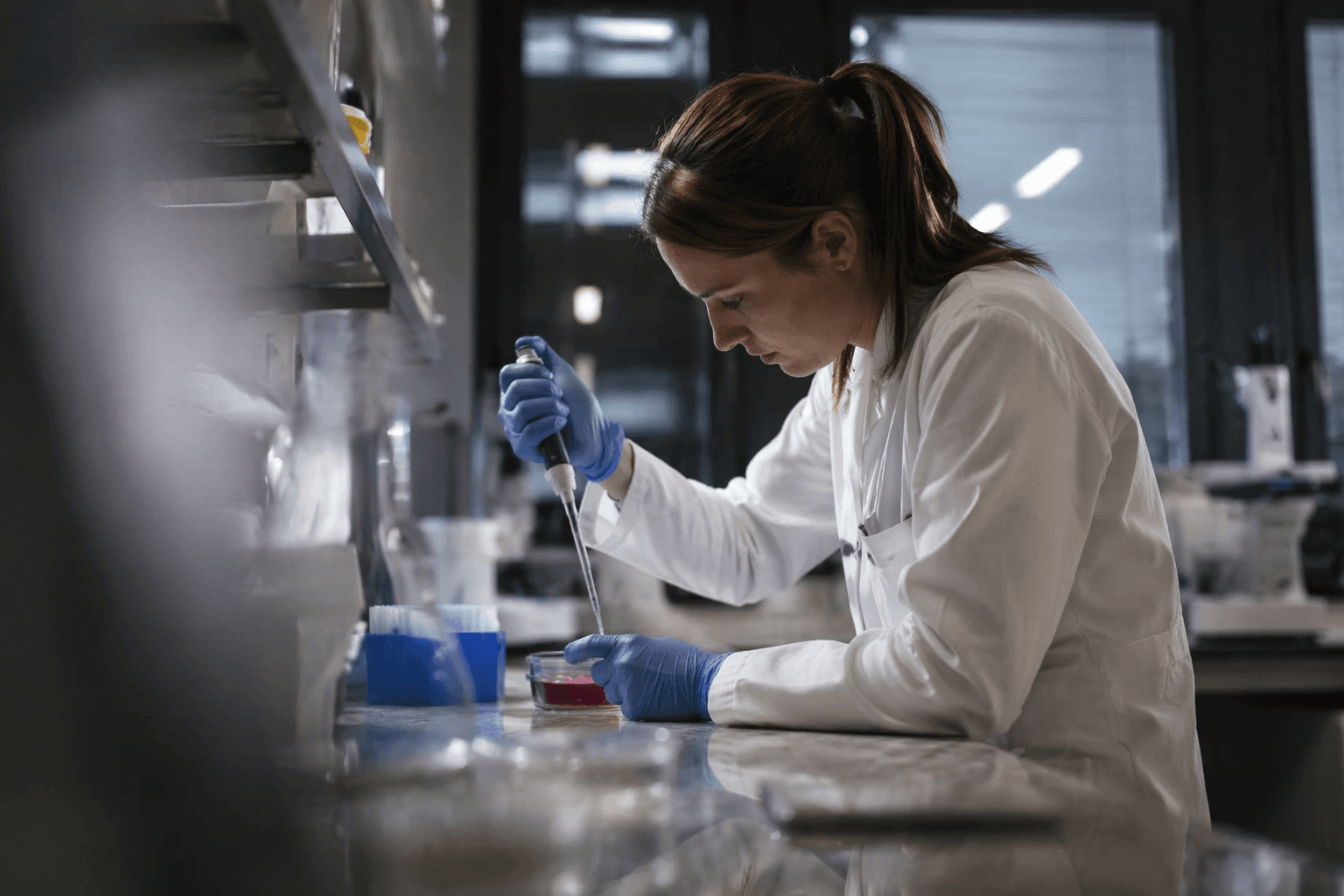
The centerpiece is a planned national innovation hub for alternative proteins, reported to open in 2027, intended to pull together scattered research and help commercialize findings. If it is properly funded and designed with industry participation, it could give startups and incumbent food companies a place to test processes, line up partnerships and move from lab work to manufacturing. The government’s broader High-Tech Agenda already had momentum, with nearly half of its 76 flagship measures launched since approval less than a year earlier, so the question now is whether alternative proteins get the same implementation energy.
Germany had already telegraphed this direction in its coalition agreement, signed on May 5, 2025, which explicitly backed sustainable alternative proteins and domestic protein crops. In July 2025, the Scientific Advisory Board on Agricultural Policy, Food and Consumer Health Protection, known as WBAE, added scientific backing by urging stronger support for plant-based, cultivated and fermentation-derived foods. The policy pieces are now in place. What remains is whether Germany turns them into infrastructure, regulation and funding that can keep pace with Europe’s fastest-moving biotech hubs.
This article was produced by Prism’s automated news system from verified source data, official records, and press releases, then run through automated quality and moderation checks before publishing. The system is built and supervised by the people who set the standards it runs under. Read our full AI policy.
Did this article answer your question?