Healthy ageing drives new demand for protein-rich food and drinks
Healthy ageing is turning protein into an everyday wellness need, not just a gym metric, with the strongest demand in convenient foods that support strength, mobility and recovery.

Healthy ageing is widening the protein market
Protein is moving into a bigger conversation, and healthy ageing is pushing it there. FoodNavigator’s coverage points to longevity shifting out of a beauty-and-wellness niche and into mainstream food and drink, where the most credible promise is not muscle gain for athletes but muscle preservation, satiety and functional convenience for older consumers.
That shift matters because the ageing agenda is no longer a side note. The UN Decade of Healthy Ageing runs from 2021 to 2030, and the World Health Organization defines healthy ageing as developing and maintaining the functional ability that enables wellbeing in older age. In other words, the category is about staying capable, mobile and independent for longer, not simply avoiding illness.
Why protein sits at the center of the ageing story
Older age brings specific nutritional pressure points, and protein is one of the most important. The World Health Organization says older age is often characterized by geriatric syndromes such as frailty, falls and delirium, which makes muscle support and resilience especially relevant. It also notes that older people affected by undernutrition and vitamin and mineral deficiencies are more vulnerable to infections and face higher risks of poor health, including sarcopenia and osteoporosis.
That creates a clear commercial opening for protein-rich foods and drinks that do more than sound healthy. The winning products are likely to be the ones that speak to strength, recovery, mobility and independence in practical terms. That is a very different message from bodybuilding or weight-loss protein, and it is one that expands the market to older adults, caregivers and middle-aged shoppers planning ahead.
What older adults actually need from protein
The science supports the opportunity, but it also makes the brief more precise. A 2024 review in *Frontiers in Nutrition* said protein recommendations for older adults vary across countries, which is a reminder that the backdrop is not fully uniform. Even so, common expert guidance for healthy older adults points to roughly 1.0 to 1.2 grams of protein per kilogram of body weight per day, with higher intakes often discussed in illness or chronic disease.
The gap between guidance and reality is large. Harvard Health highlighted a study in the *Journal of Nutrition, Health & Aging* that examined diets of nearly 12,000 people aged 51 and older and found that about 46% did not meet daily protein recommendations. The National Council on Aging says more than 1 in 3 people over 50 do not meet daily protein needs, and it recommends that people age 65 and older aim for about 1 to 1.2 g/kg/day.
That unmet need is exactly why protein products can’t be treated as a niche. For many consumers, the issue is not a lack of interest in protein. It is the difficulty of fitting enough of it into daily eating without making meals too large, too expensive or too hard to chew and swallow.
The best opportunities are tied to real eating occasions
The most credible ageing-focused protein products are the ones that fit ordinary routines. Research suggests protein intake may need to be spread more evenly across the day, with about 25 to 30 grams per meal, and in some studies 30 to 40 grams per meal, to support muscle protein synthesis in older adults. That has major implications for product design because it shifts the spotlight away from a single high-protein dinner toward breakfast, snacks, lunch, and recovery moments.
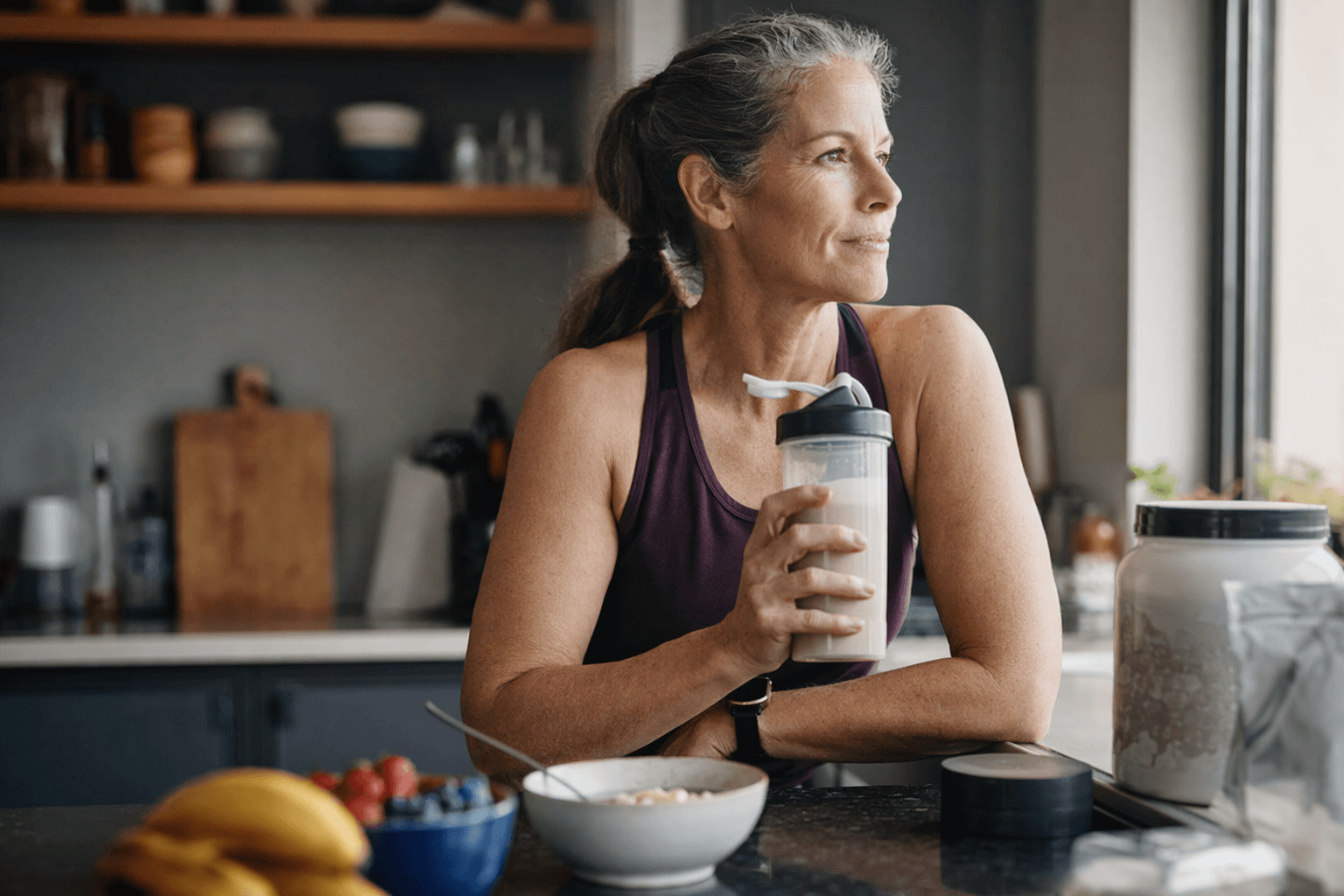
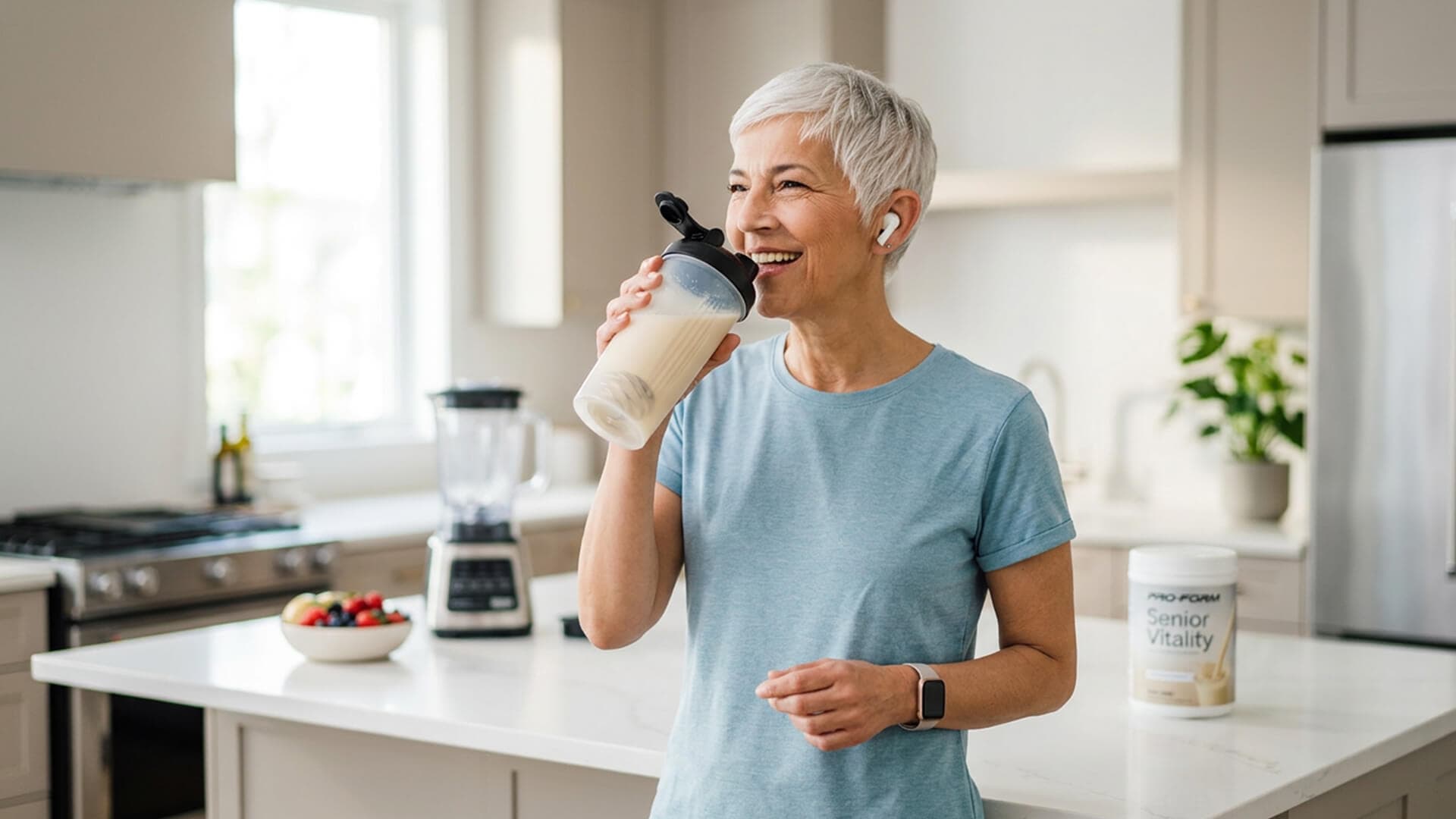
That is where formats matter. FoodNavigator’s framing points to dairy, beverages, bars, spoonable formats and meal replacements as especially relevant, because they make protein easier to consume and easier to dose. A drinkable format can work for a light breakfast or a mid-afternoon top-up; a spoonable format can fit a smaller appetite; a meal replacement can solve the problem of getting enough protein in one sitting without requiring a large plate of food.
- breakfast, when appetite may be low and convenience matters
- between-meal snacks, when satiety and ease of consumption are key
- post-activity or recovery moments, when muscle support becomes the point
- smaller evening meals, when a full plate may not be appealing
For developers, the opportunity is not just to add protein. It is to design around the occasions where older consumers are most likely to need help meeting daily needs:
What product developers still get wrong
The biggest mistake is overusing the language of longevity without solving the day-to-day realities of ageing. A product can talk about healthy ageing all it wants, but if it is expensive, hard to chew, chalky, overly sweet or positioned like sports fuel, it misses the consumer it is supposed to serve. Older adults are not looking for a bodybuilding cue; they are looking for something practical, enjoyable and easy to use regularly.
Taste remains essential because repeat purchase depends on it. Affordability matters because older consumers and caregivers often buy with tighter household budgets and broader health spending in mind. Texture and usability matter too, since some older people need foods that are easier to drink, spoon, digest or finish in smaller portions.
There is also a credibility issue. The strongest claims are the ones linked to everyday function: maintaining muscle, supporting satiety, helping with recovery and fitting into a routine. That is more persuasive than vague promises about vitality. The category will grow fastest when it respects the nutritional needs that come with age instead of borrowing the aesthetics of youth-focused wellness.
Why the evidence base gives brands room to move
There is a solid foundation for this market, but it should be used carefully. The World Health Organization says oral protein and energy supplementation can improve nutritional status in older people at risk of malnutrition, while also noting that more community-based trials are needed. That is an important signal for brands: the category has legitimacy, but it still needs stronger real-world evidence in everyday settings and specific patient groups.
The upside is broad. Healthy ageing is not a short-lived trend, and protein is one of the few nutrition categories that connects longevity, independence and practical daily use in a single proposition. The brands most likely to win are the ones that make protein feel approachable, affordable and worth repeating, especially in formats that older adults can actually use every day.
That is why the next phase of protein growth may be shaped as much by ageing consumers as by gym-goers, and why the strongest products will be built around function first, marketing second.
This article was produced by Prism’s automated news system from verified source data, official records, and press releases, then run through automated quality and moderation checks before publishing. The system is built and supervised by the people who set the standards it runs under. Read our full AI policy.
Did this article answer your question?