Hershey deepens protein push as functional snacking demand grows
Hershey is treating protein as a growth engine, not a garnish, as it pushes into functional snacking and a market it values at about $6 billion.
Hershey is using protein to redraw its identity in snacking, positioning the ingredient as a core growth engine rather than a side-line claim. At its investor day at the New York Stock Exchange in New York, New York, the company said it is expanding into premium, better-for-you, salty and functional snacking, starting with protein, as it seeks to meet consumers who want snacks that deliver both enjoyment and measurable benefit.
Kirk Tanner framed the move as a companywide shift, saying Hershey would go to market as “one integrated team across sweet, salty, and functional snacking.” He also pointed to a “robust five-year innovation pipeline” designed to grow the core business while moving faster into the categories with the strongest momentum. That is a meaningful signal for a legacy confectionery company: protein is no longer being treated as a niche add-on, but as part of assortment planning, brand architecture and product development across multiple formats.
The timing fits a broader bet on better-for-you snacking. Hershey said its fiscal 2026 outlook called for net sales growth of 4% to 5% and organic net sales growth of 2.5% to 3.5%, including about a 150-basis-point benefit from the LesserEvil acquisition. Hershey announced its intent to acquire LesserEvil on April 3, 2025 and completed the deal on November 19, 2025. The company said the purchase expanded its better-for-you portfolio and added manufacturing capacity, giving Hershey more room to compete in adjacent categories where protein and other functional claims matter.
Hershey’s own brands page now reflects that shift in how the company talks to consumers. It says Hershey offers more than 90 brands and describes its portfolio as ranging from indulgent treats to “a boost of protein between meals.” That language matters because it shows how protein has moved into mainstream merchandising, not just into isolated bars or specialty products. Hershey also said protein and fiber are now perceived as hero ingredients, and that functional, premium, flavor, texture and customization will shape future growth.
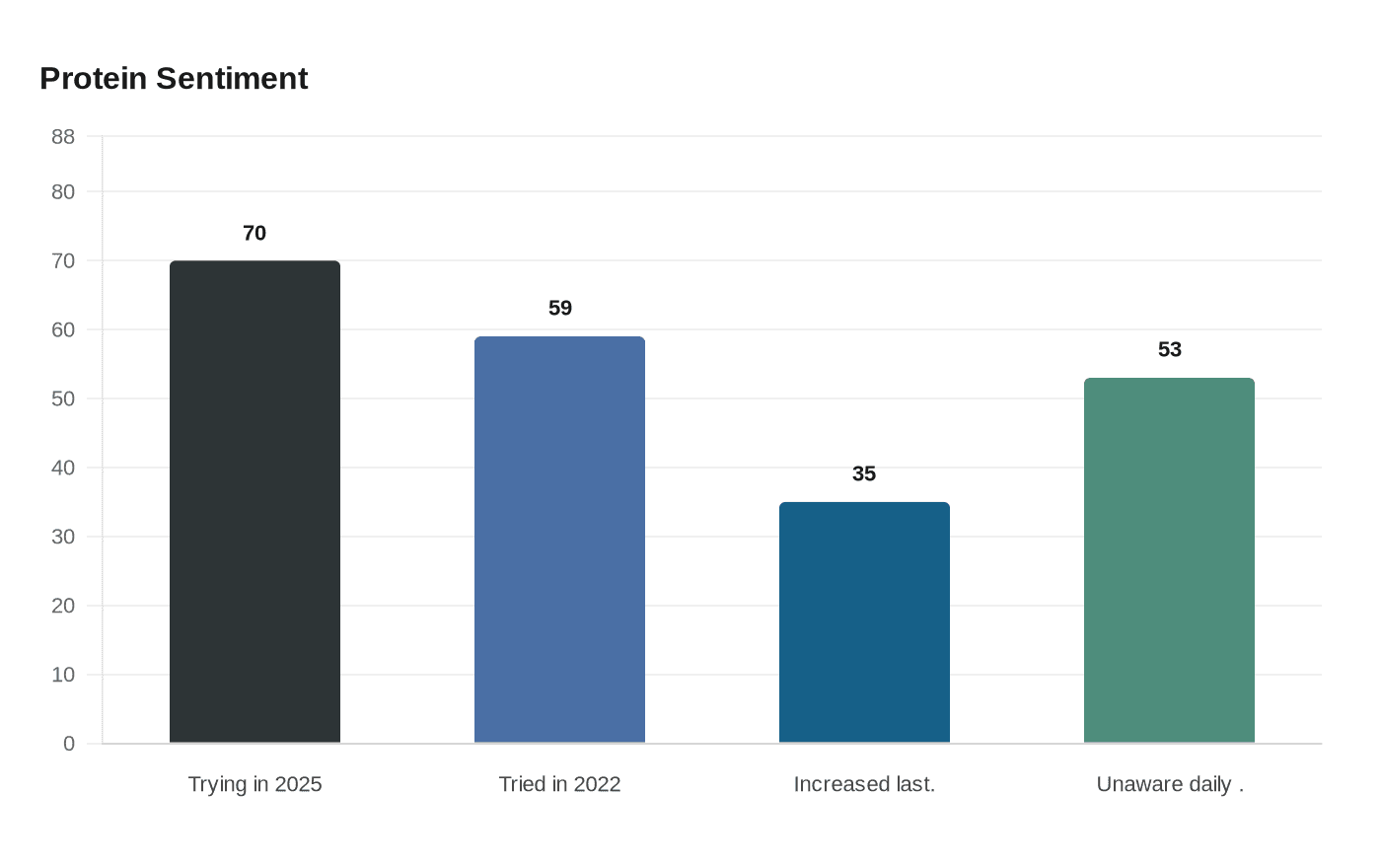
The consumer backdrop helps explain why Hershey is leaning in. The International Food Information Council found that 70% of Americans said they were trying to consume protein in 2025, up from 59% in 2022, while 35% said they increased protein consumption in the last year. At the same time, 53% said they were unaware of how much protein they should consume daily, leaving room for branded food makers to define the category for them. NIQ said snacking now accounts for more than $135 billion annually and that health and wellness is driving demand for protein-packed options that still deliver taste. For Hershey, that makes protein less a fad than a strategic lens for the next phase of growth.
This article was produced by Prism’s automated news system from verified source data, official records, and press releases, then run through automated quality and moderation checks before publishing. The system is built and supervised by the people who set the standards it runs under. Read our full AI policy.
Did this article answer your question?