Investors back snack bars with protein, function and cleaner labels
Snack-bar capital is flowing to brands that pair protein with a second benefit, cleaner labels, and formats that feel new enough to earn shelf space.
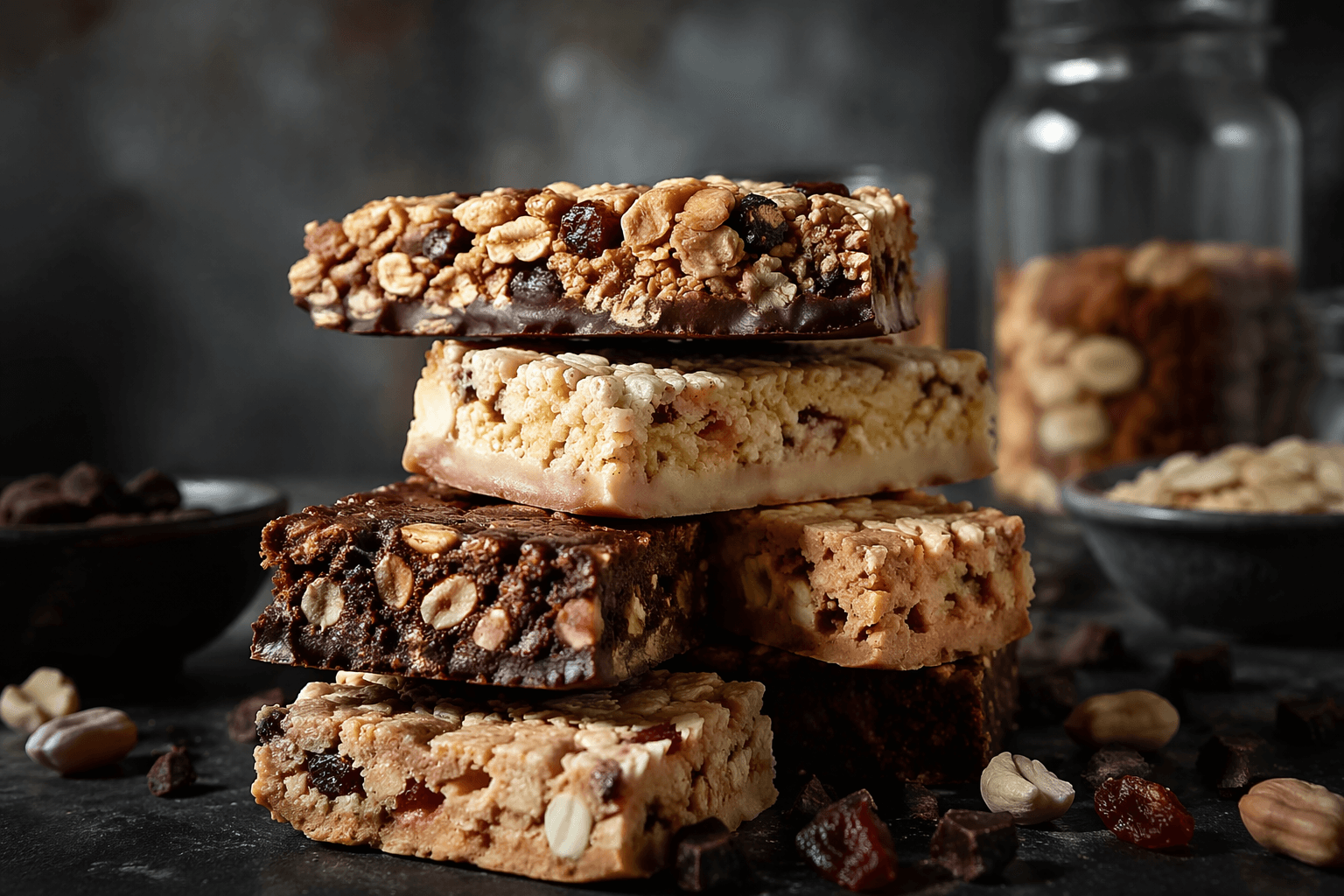
Snack-bar investors are still willing to back the aisle, but the check now goes to brands that solve more than one problem at once. Protein remains the entry point, yet the companies drawing attention are layering in function, cleaner ingredient decks, and a format story that feels meaningfully different from another generic bar.
The new bar test
That shift matters because the category is crowded and the bar has become one of the most competitive spaces in better-for-you food. Capital is not chasing protein counts alone anymore. It is chasing a clearer consumer job to be done, whether that is skin support, joint support, satiety, convenience, or a more appealing texture and taste profile that makes the bar feel like an actual food product rather than a macro delivery device.
The result is a market that is separating into sharper tiers. Generic high-protein SKUs are getting harder to defend, while brands with a distinct use case can still justify shelf space and investor attention. In practice, that means the winning formula increasingly looks like protein plus a second functional benefit plus clean-label or format novelty.
Stars + Honey shows what investors are buying
Stars + Honey is a strong example of that logic. The brand was founded in Detroit in 2023 and makes high-protein, low-sugar, collagen-infused snacks designed to deliver both nutrition and enjoyment. Collagen gives the company a useful bridge between snack logic and supplement logic, opening the door to shoppers who want protein but also care about beauty or joint-support cues.
The company’s growth story is also part of the appeal. Separate June reporting said Stars + Honey is on track to reach about $50 million in revenue this year, and VMG Partners took a minority stake reported at $24 million. The raise will help finance a new 60,000-square-foot production facility, a detail that signals more than brand-building ambition. It points to manufacturing capacity, scale discipline, and a plan to support broader national expansion.
That is exactly the kind of evidence capital allocators want in a crowded category. A good concept alone is not enough when the shelf is packed with protein bars, collagen bars, breakfast bars, and meal-adjacent snacks. Investors are looking for proof that the brand can convert a differentiated proposition into repeatable volume, operational heft, and a retail story that still has room to run.
Why the consumer signal still favors bars
The consumer backdrop helps explain why the money is still moving. Circana’s snacking research shows shoppers increasingly expect snacks to deliver both flavor and functional benefits. The broader theme is moving toward “fun, fuel and function” and, just as often, toward “nutritious and delicious.” That is a meaningful change for a category that used to lean heavily on convenience or indulgence alone.
Retail behavior is reinforcing the same message. Walmart’s Aloha reset has been read as a sign that snack bars are overtaking center-store snacking, which matters because center-store placement has long been one of the most valuable battlegrounds in packaged food. When bars are strong enough to win that space, they are not just a niche better-for-you play. They are competing for everyday snack occasions.
That broader demand shift helps explain why bars with a functional story still attract attention even when the aisle looks saturated. Consumers want more from the same bite, and the brands that can combine nutrition, flavor, and a clear use case are getting the benefit of the doubt.
RXBAR set the template, but the category has moved on
The clean-label bar breakout still carries a long shadow. RXBAR showed how far a simple ingredient story could travel, and Kellogg’s $600 million acquisition in 2017 remains a useful benchmark for what breakout looks like when a bar brand crosses from niche to mainstream. The lesson from that deal was not just that protein bars could scale. It was that transparency, simplicity, and a sharp identity could turn a commodity-like product into an acquisition target.
But the market has evolved since then. Clean label is now table stakes for many premium bar brands, not a differentiator on its own. Ingredient pressure, market consolidation, and more demanding consumers have raised the bar, literally and figuratively. The brands that stand out now need the original RXBAR clarity, plus a second layer of relevance that makes the product feel more modern than a straightforward protein bar.
That is why collagen, skin claims, joint support, satiety, and format innovation matter so much. They help create a reason to buy beyond macro content alone. In a shelf set where everyone can claim high protein, the brands that own a use case are the ones most likely to earn repeat purchase and investor conviction.
What the next wave has in common
Mezcla’s $9.5 million raise shows the same pattern in a different form. The company is using capital to expand distribution across natural, conventional, mass, and club channels while investing in product innovation. That kind of funding tells you the opportunity is not limited to one retail lane or one narrow consumer segment. It also reinforces that investors are still open to bar brands when the growth plan is specific and the product story is distinctive.
Across these deals, the formula is remarkably consistent:
- Protein as the base, not the whole pitch.
- A second function, such as collagen-led beauty or joint support.
- Cleaner labels and a tighter ingredient story.
- A format or texture that feels fresh enough to stand apart.
- A real manufacturing and distribution plan that can support scale.
That combination does not guarantee durability, but it does suggest where capital is concentrating. The aisle is not empty, and it is not dead. It is stratifying, with funding flowing toward bars that behave like purpose-built food products instead of interchangeable protein bricks.
This article was produced by Prism’s automated news system from verified source data, official records, and press releases, then run through automated quality and moderation checks before publishing. The system is built and supervised by the people who set the standards it runs under. Read our full AI policy.
Did this article answer your question?