Microbes add significant protein to fermented foods, study finds
Microbes made up as much as 11% of protein in fermented foods, with brie cheese showing 1,023 microbial proteins.

The protein in fermented foods does not come only from milk, soy or grain. In a new North Carolina State University study, microbes inside those foods accounted for a meaningful share of the protein load itself, reframing fermentation as more than a route to flavor, preservation and texture.
Laura Winkler, Ayesha Awan, Nicole M. Rideout and Manuel Kleiner led the work, published online March 26, 2026 in Food & Function. Using metaproteomics, high-resolution liquid chromatography and mass spectrometry, the team analyzed proteins in 17 fermented foods and three non-fermented controls to see what was present after fermentation had done its work.
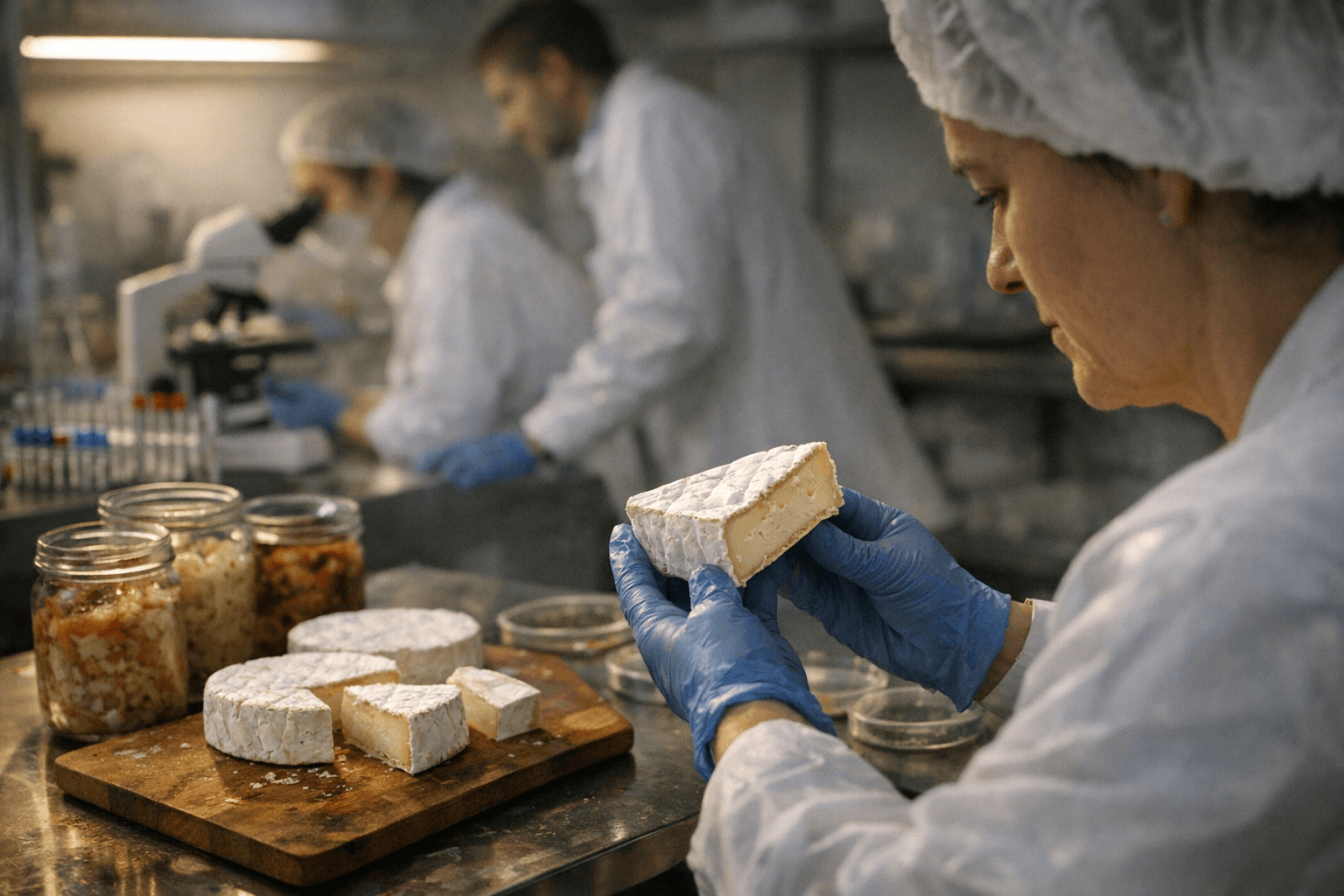
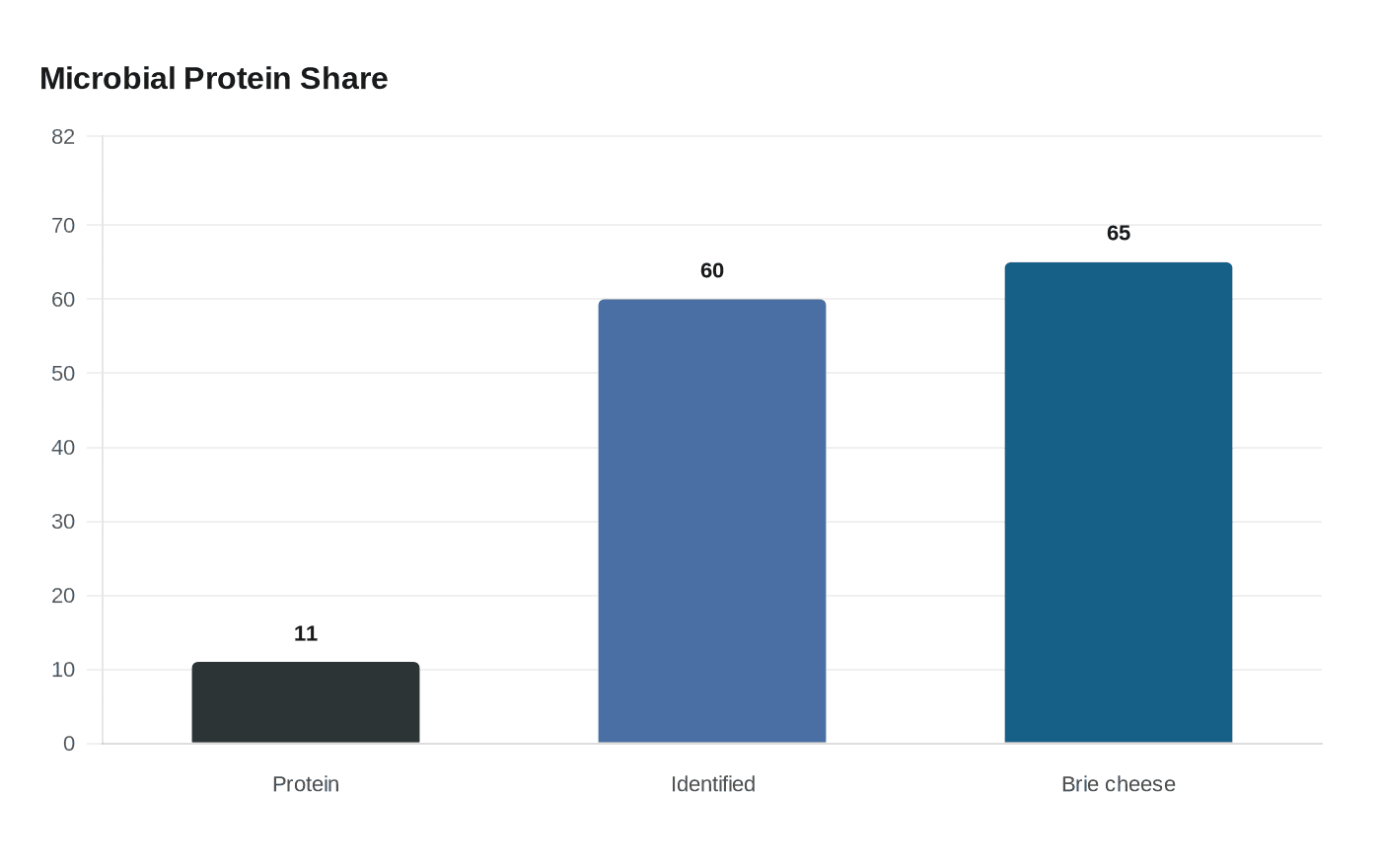
The results showed that microbial proteins contributed as much as 11% of total protein content in fermented foods and made up as much as 60% of the total number of identified proteins. In brie cheese, the numbers were especially striking: 1,023 of 1,573 identified proteins, or 65%, were microbial proteins. The foods examined included yogurt, brie cheese, sour cream, plain yeast bread, sourdough bread, tempeh, miso and soy sauce. The comparison set included dairy milk, tofu and wheat bread.
Manuel Kleiner said the findings surprised the team, especially in wheat bread, where much of the wheat protein was converted into yeast protein. “When we eat bread, we actually eat quite a lot of yeast,” he said.
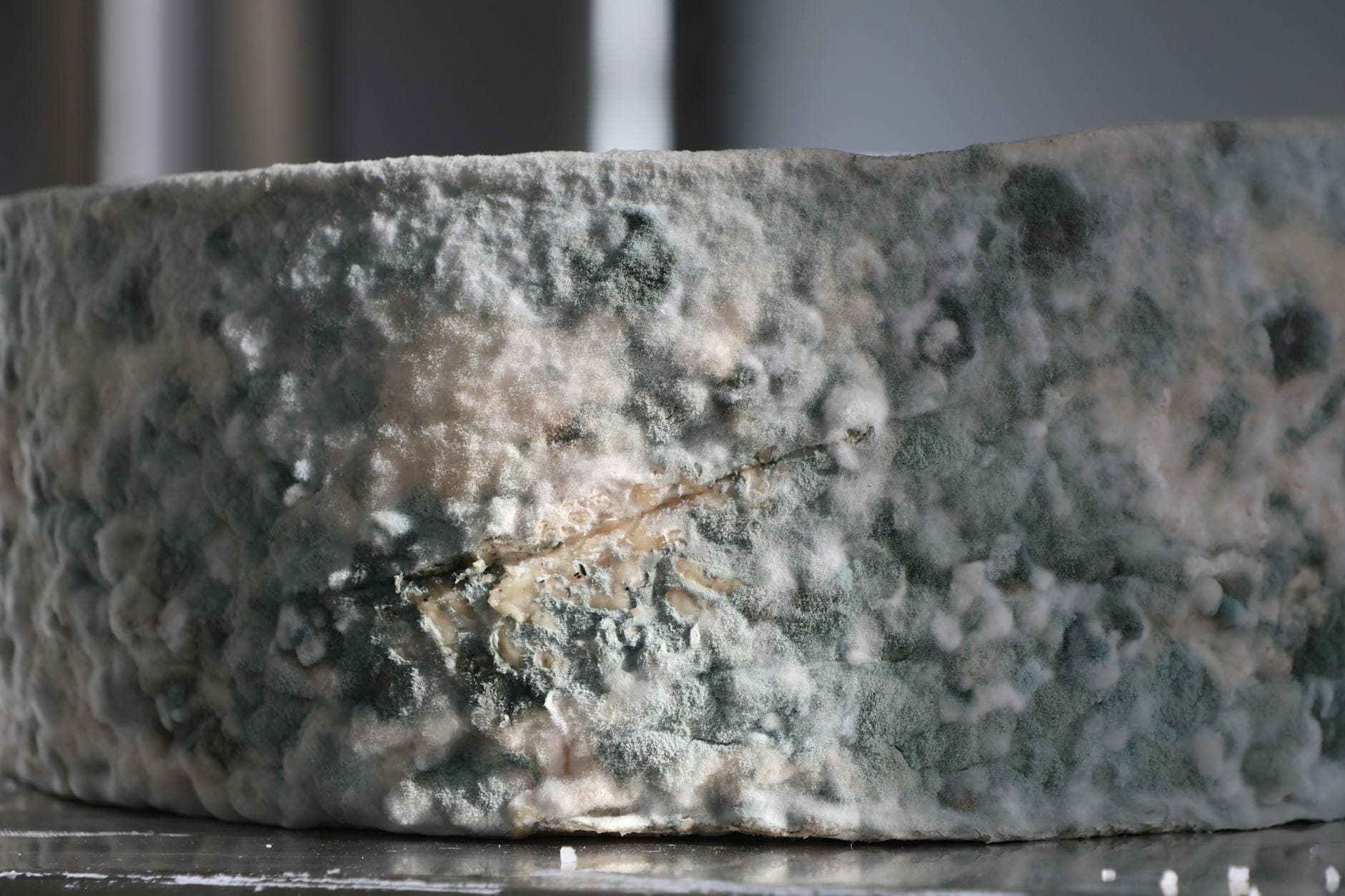
That matters because it pushes protein conversations in fermented foods beyond a simple macro count. The study says fermentation can improve protein digestibility and micronutrient bioavailability, and it suggests that foods could potentially be engineered with specific microbial profiles to enhance beneficial effects. It also notes that some microbial proteins, including proteases, could affect gut physiology, opening questions about how these proteins interact with gut microbiota and downstream health outcomes.
For food manufacturers, the science gives fermented products a stronger claim to functional nutrition, not just a cleaner label or a sharper taste. It also gives ingredient developers more precise language for explaining why cultured systems can deliver value that standard protein totals miss. Fermented foods have been part of the human diet for more than 10,000 years, and the study says they now account for up to 40% of global food consumption. That long history is colliding with a modern protein market, and microbes are suddenly part of the nutrition story in a far bigger way.
This article was produced by Prism’s automated news system from verified source data, official records, and press releases, then run through automated quality and moderation checks before publishing. The system is built and supervised by the people who set the standards it runs under. Read our full AI policy.
Did this article answer your question?