Nottingham gel rebuilds tooth enamel, could treat decay and sensitivity
A fluoride-free Nottingham gel rebuilt enamel on 32 extracted molars, surviving brushing, chewing and acid while pointing to a hard road to patient care.
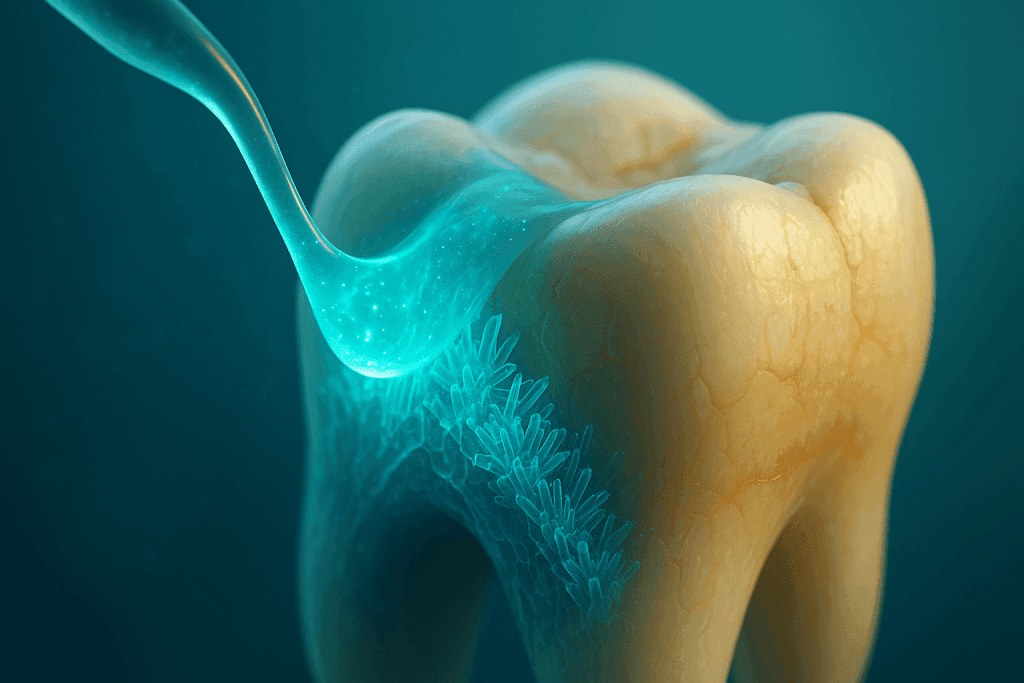
A fluoride-free gel from the University of Nottingham rebuilt tooth enamel in the lab by mimicking the proteins that form it naturally, then pulling calcium and phosphate from saliva to grow a durable new mineral layer. In tests on 32 extracted human molar teeth, the regenerated enamel held up under brushing, chewing and acid exposure at least as well as natural enamel.
The work, published in Nature Communications on November 4, 2025, came from Dr. Abshar Hasan, a postdoctoral fellow, working with Professor Alvaro Mata’s team in the School of Pharmacy and the Department of Chemical and Environmental Engineering at the University of Nottingham, alongside international collaborators. Their paper, “Biomimetic supramolecular protein matrix restores structure and properties of human dental enamel,” describes a protein-based matrix that acts like the body’s own enamel-building machinery.
That mechanism matters. The gel is designed to be applied the same way a dentist would apply a standard fluoride treatment, but it does something fluoride varnish does not: it creates a thin scaffold that penetrates damaged enamel, fills holes and cracks, and promotes epitaxial mineralization. In plain terms, new mineral grows in an organized way that locks into the existing tooth structure instead of sitting on top as a temporary coating.
The translational promise is strongest where enamel loss is already causing daily problems. The same material can be used on exposed dentine, where it may build an enamel-like layer that eases hypersensitivity and improves the bonding surface for restorations. That puts the technology squarely in the zone dentists care about most: stopping erosion before it becomes structural failure, and making restorative work stick better when the surface is already compromised.
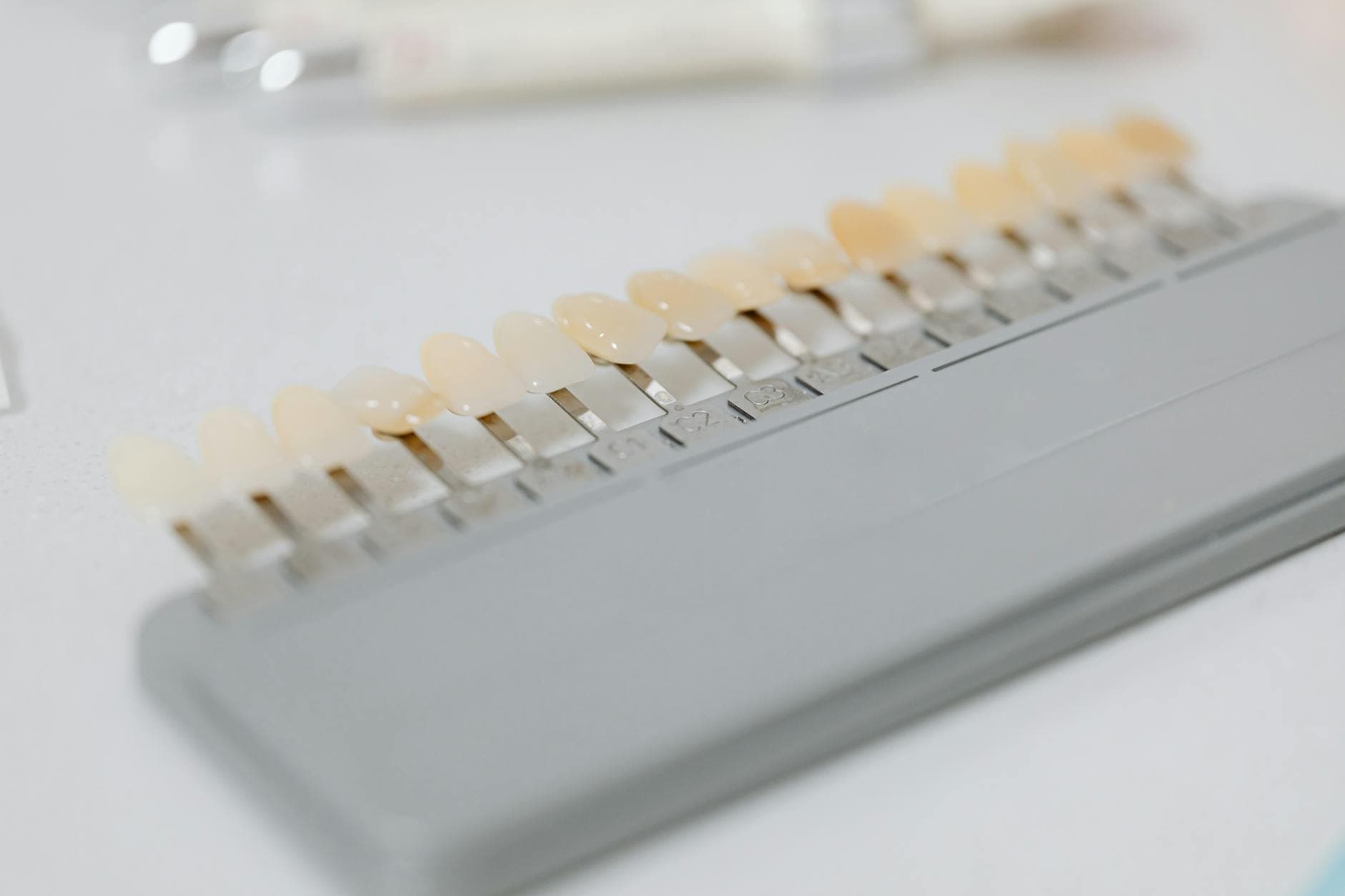
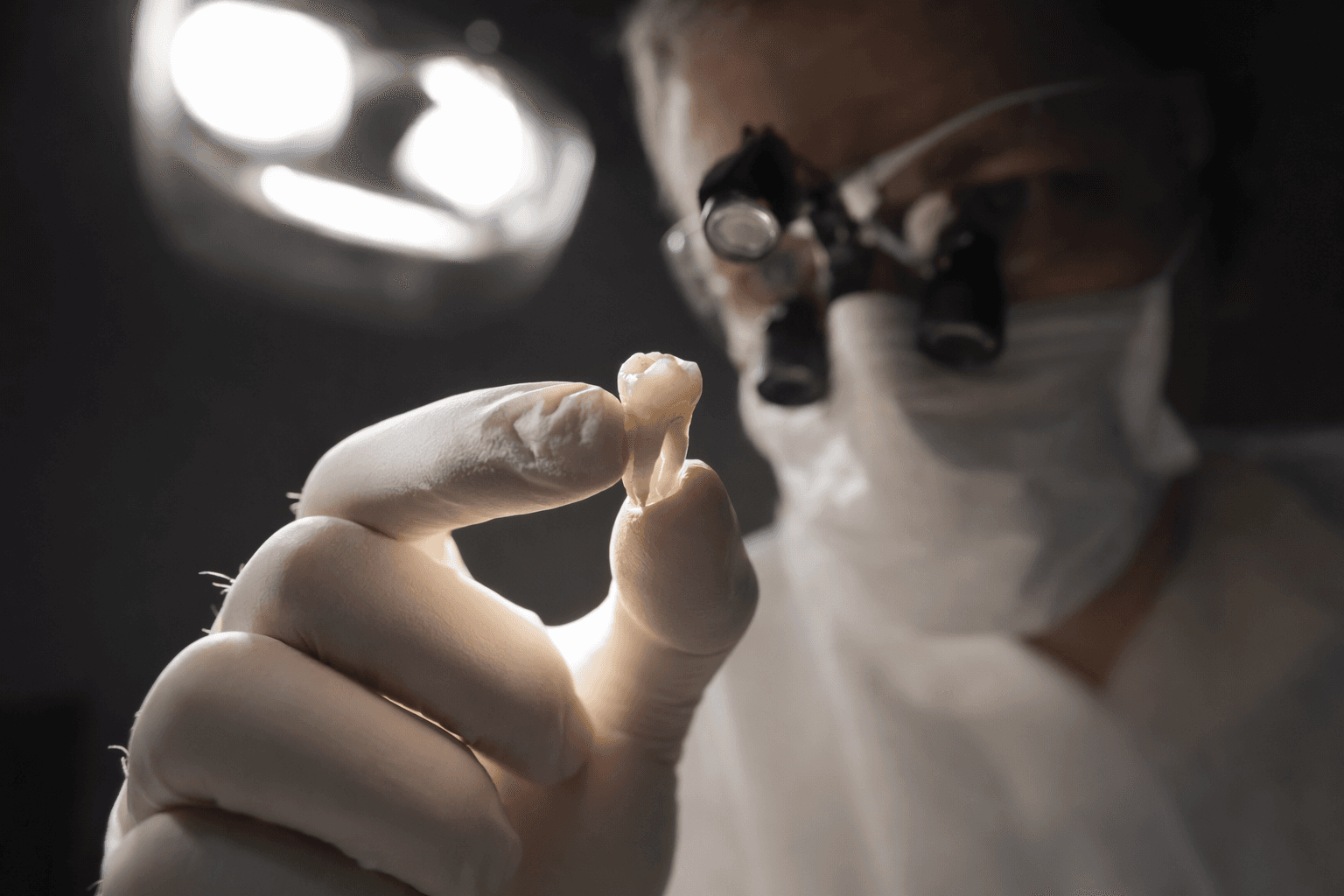
The University of Nottingham says enamel degradation affects almost half the world’s population, and once enamel is gone the body does not naturally regenerate it. Current fluoride and remineralisation products can reduce symptoms, but they do not rebuild lost enamel. That gap is exactly where this gel is aiming, but the leap from benchtop success to a routine dental treatment still runs through human testing, manufacturing, and long-term clinical proof. Early reporting says clinical trials are expected to begin in 2026, and the technology is also linked to Mintech-Bio, a company associated with Hasan. The science is striking; the real test is whether it can survive the move from extracted molars to actual patients.
Know something we missed? Have a correction or additional information?
Submit a Tip