Planetary raises $28 million to scale sugar-byproduct protein manufacturing
Planetary secured $28 million to turn sugar byproducts into proteins, with industrial production already running in Aarberg and a global licensing push behind it.
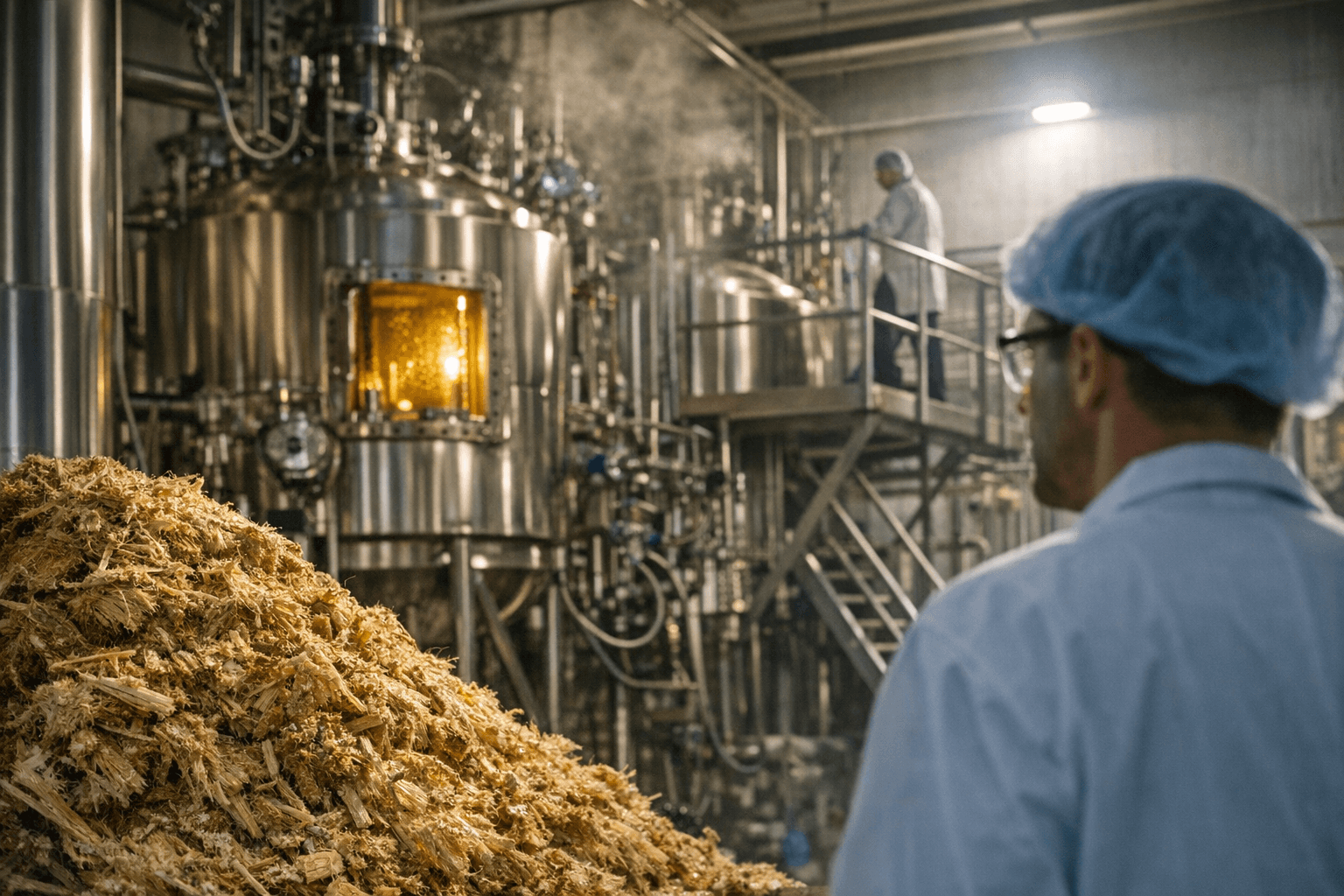
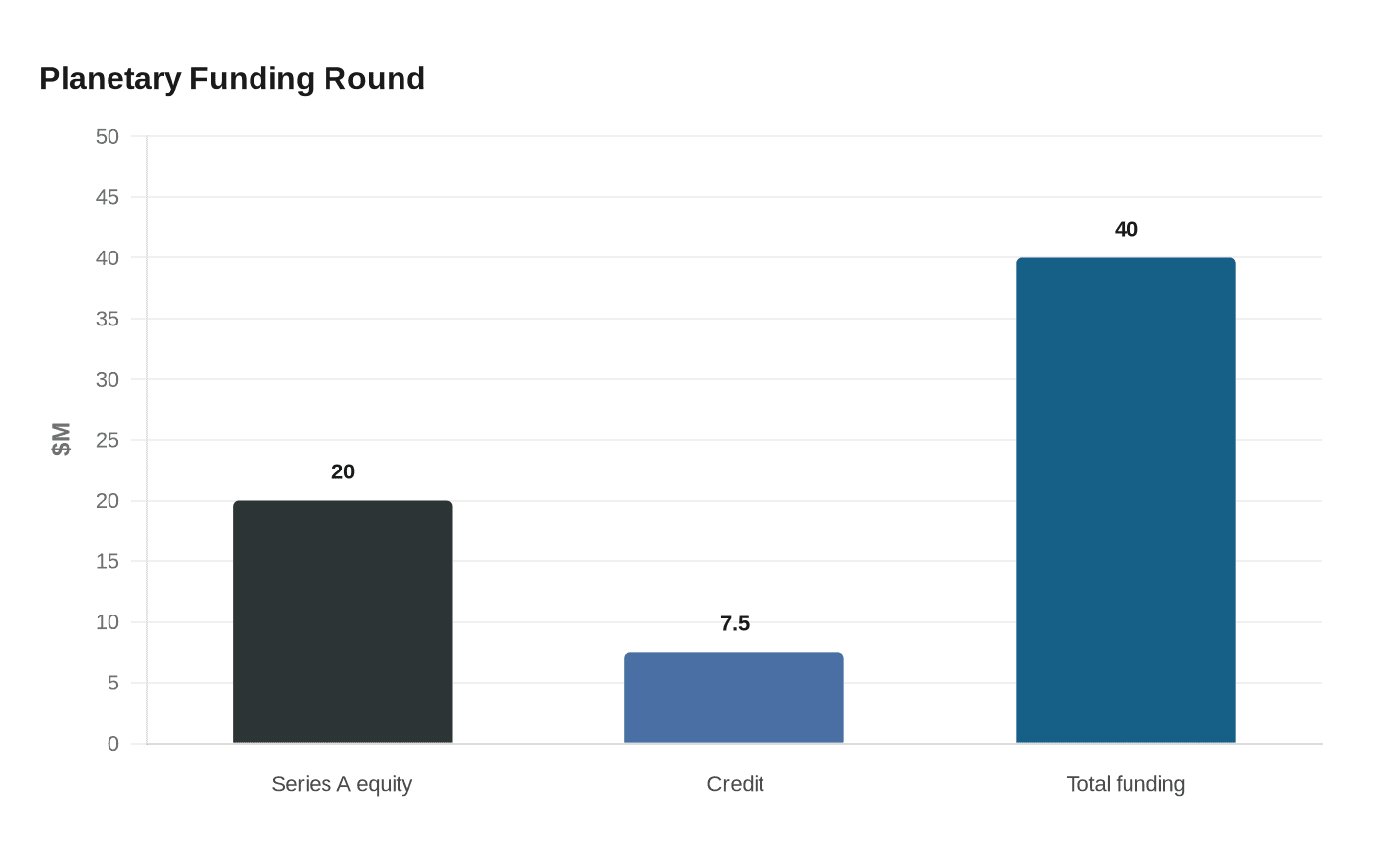
Planetary’s latest financing round is a bet on industrial execution, not just fermentation science. The Swiss company raised about $20 million in Series A equity and another $7.5 million in credit, bringing total funding to roughly $40 million, and it is using the money to expand a model built around sugar-industry side streams, food-grade proteins, fibers and enzymes.
The round was led by Radikal Capital and Oetker Ventures, with Royal Cosun, arc investors, Green Generation Fund, AgriFoodTech Venture Alliance, Astanor Ventures and XAnge also backing the company. That investor mix matters because Planetary is not pitching a single branded product. It is selling a platform, BioBlocks, that spans bioprocess design, scale-up and industrial manufacturing, and it is pairing that technology with a licensing strategy aimed at food and ingredient partners.
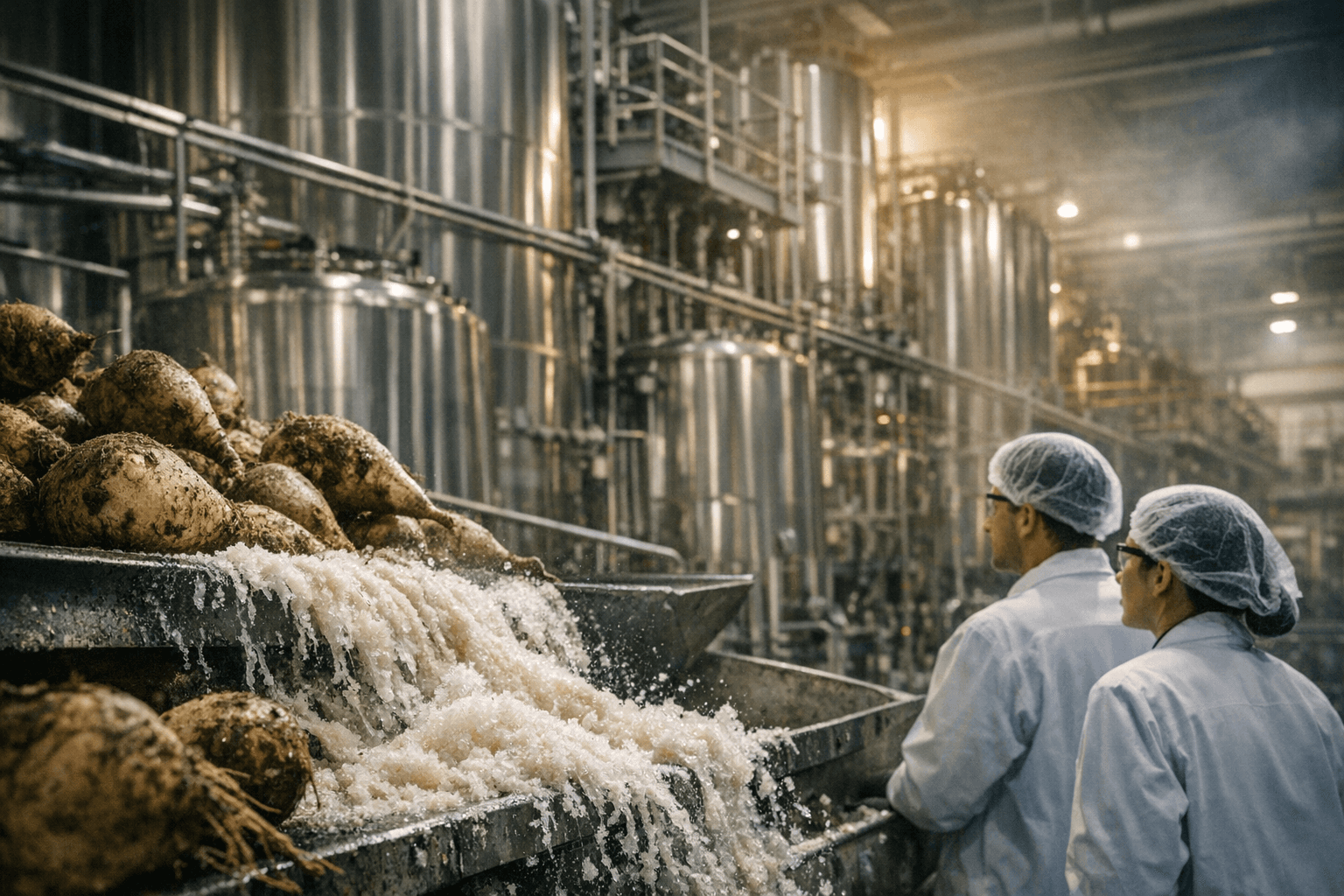
The central idea is straightforward: use sugar byproducts as feedstock and turn low-value waste streams into higher-value protein ingredients. Planetary says that approach can improve feedstock resilience, reduce waste and create a more predictable industrial input base than models tied only to fresh agricultural crops. The company’s platform is already operating at manufacturing scale in Aarberg, Switzerland, co-located with Schweizer Zucker, which gives the raise an important point of distinction in a sector that often stops at pilot plants and plans.
Planetary is also pushing commercial application, not just process development. The company launched a vegan mycoprotein filet with ALDI Suisse at price parity with conventional chicken, and it is expanding under its B2B brand Libre across alternative meat and dairy, hybrid meat, fiber-rich products and protein fortification. The company says it wants to build a global network of fermentation facilities and reduce greenhouse-gas emissions, land use and water scarcity while widening the use of sugar-to-protein upcycling.
The growth plan now stretches beyond Switzerland. Planetary is exploring a collaboration with Dhampur Bio Organics in India and says it is targeting mycoprotein production below $1 per kilogram in sucrose-rich, protein-deficient markets. WIPO describes BioBlocks as protected by patents and trademarks, underscoring that Planetary is trying to lock in both industrial know-how and intellectual property as it scales across Europe, Asia and the Americas.
In the company’s own words, the financing comes at a harder moment for capital formation, with CEO and co-founder David Brandes saying, “raising capital outside AI and defense now requires far more focus and resilience than it did just a few years ago,” and that geopolitical turmoil and commodity volatility strengthen the case for a “sovereign, circular, and high-quality food system.” Brandes’ background, from Migros Online and McKinsey & Co. to co-founding Peace of Meat, helps explain why Planetary is being built as an operator-led industrial platform rather than a science project. Royal Cosun’s earlier CHF 3 million investment in October 2024 also suggests sugar-industry players were already treating the model as a strategic manufacturing play.
Sources:
Know something we missed? Have a correction or additional information?
Submit a Tip