Plant-based protein sales fall in foodservice as milk gains ground
Plant-based protein broadline sales fell to $291 million in 2025, but milk rose 16% and creamer reached 28% of creamer pound sales.
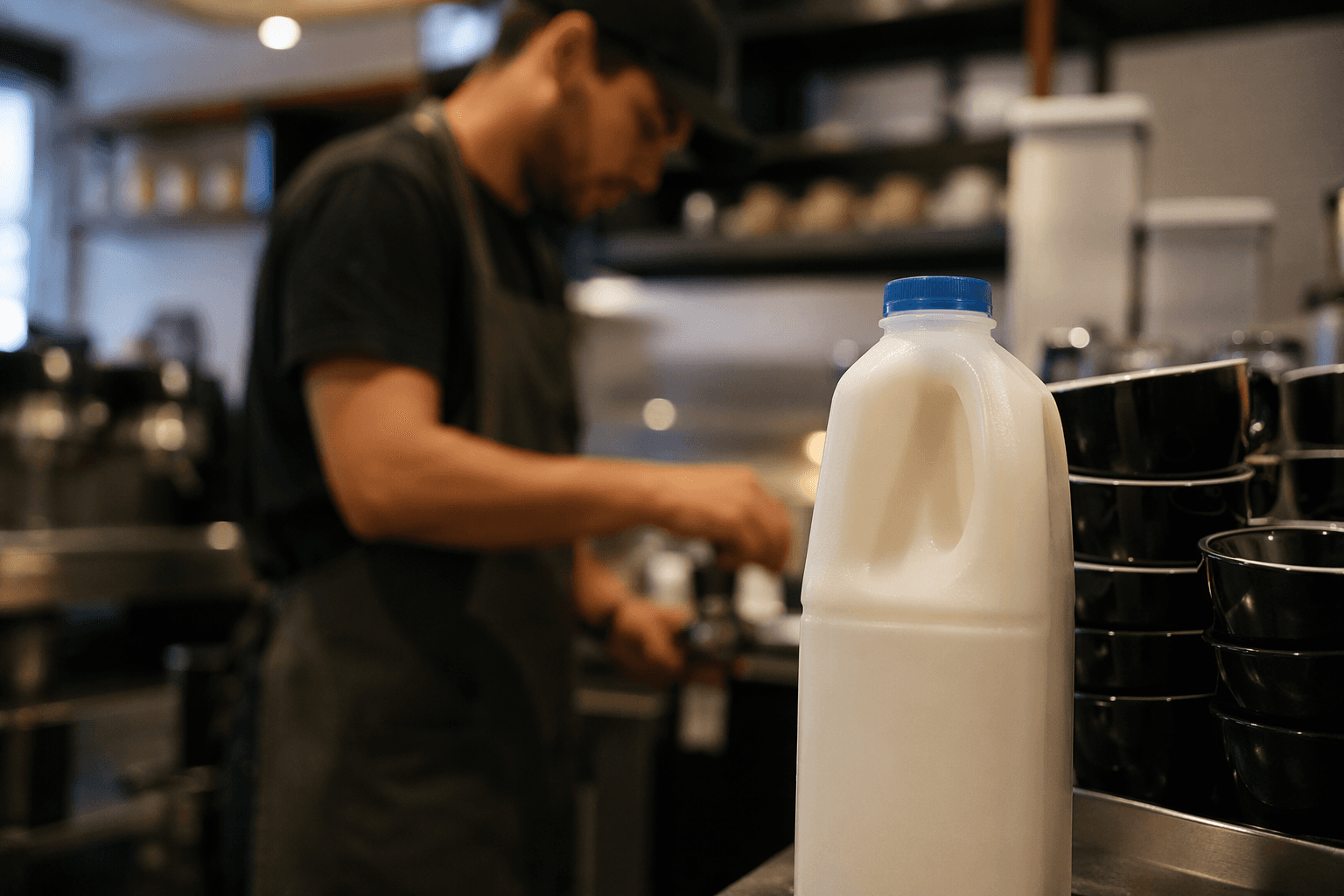
Plant-based dairy is proving sturdier than meat analogs in U.S. foodservice, even as broadline distributor sales for plant-based protein slipped to $291 million in 2025, down 7% in dollar sales and 5% in pound sales. The split is sharpest in the categories that fit most easily into existing restaurant operations: plant-based milk climbed 16% in dollar sales and 14% in pound sales, while plant-based creamer grew 4% in dollar sales and 3% in pound sales.
Those gains matter because the format already has a clear job to do. Plant-based milk reached a 13% share of total milk pound sales in 2025, up from 12% in 2024. Plant-based creamer accounted for 28% of total creamer pound sales, with one especially important pricing signal: plant-based creamer was about 41% below its conventional counterpart. In foodservice, that kind of functional role and price spread can make the category easier to slot into coffee programs, beverages and back-of-house routines than meat alternatives that require more menu explanation.
The broader operator market is still spending heavily. Circana said U.S. foodservice operator spend reached $357.3 billion in the 12 months ending in June 2025, up 3.7% from a year earlier. Restaurants remain the biggest buyers, but healthcare and government operators are also expanding purchases, keeping competition intense for menu placement even in a softer plant-based protein market.
That competition is constrained by access. Only 8% of the top 250 U.S. restaurant chains offer plant-based meat analog dishes, and another 7% offer only non-analog options such as tofu. Good Food Institute materials say availability drives consideration, and that simply putting plant-based dishes on the menu can improve how diners perceive a restaurant, even when they do not order those items themselves.
The consumer base is there, but it is concentrated. Good Food Institute says plant-based meat buyers make almost 50% more restaurant-chain purchases annually than the total population and spend almost $2,000 a year at restaurant chains, about $500 more than average diners. That makes repeat traffic and higher restaurant spend part of the sales case, but it also shows why taste, texture and price remain the biggest barriers for meat analogs, especially when many consumers still buy them only once at chain restaurants. Earlier Good Food Institute foodservice reporting put broadline distributor sales at $289 million in 2024, underscoring how modest the category’s growth has been even before the 2025 decline.
This article was produced by Prism’s automated news system from verified source data, official records, and press releases, then run through automated quality and moderation checks before publishing. The system is built and supervised by the people who set the standards it runs under. Read our full AI policy.
Did this article answer your question?