Precision fermentation, plant proteins reshape sports nutrition beyond athletes
Sports nutrition is splintering into casein, plant and precision-fermented protein paths as brands chase everyday wellness, not just gym performance.
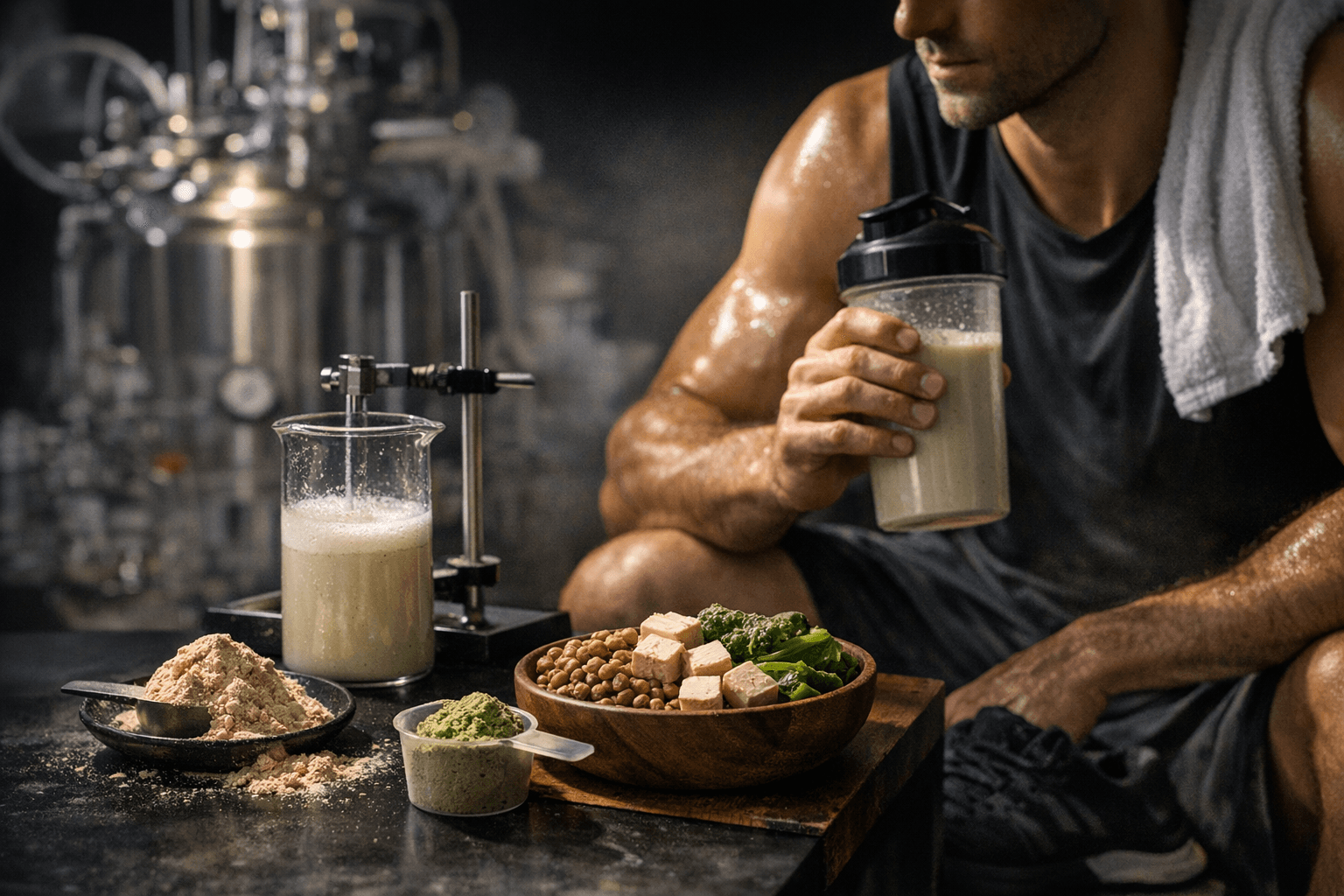
Sports nutrition is becoming an active-nutrition market
Protein is no longer just a bodybuilding signal. The category is being pulled toward active lifestyle shoppers who want weight management, overall health, long-term wellness and daily performance, and that shift is changing what wins on shelf. Instead of one dominant protein story, sports nutrition is fragmenting into multiple futures, each built around a different job to be done.
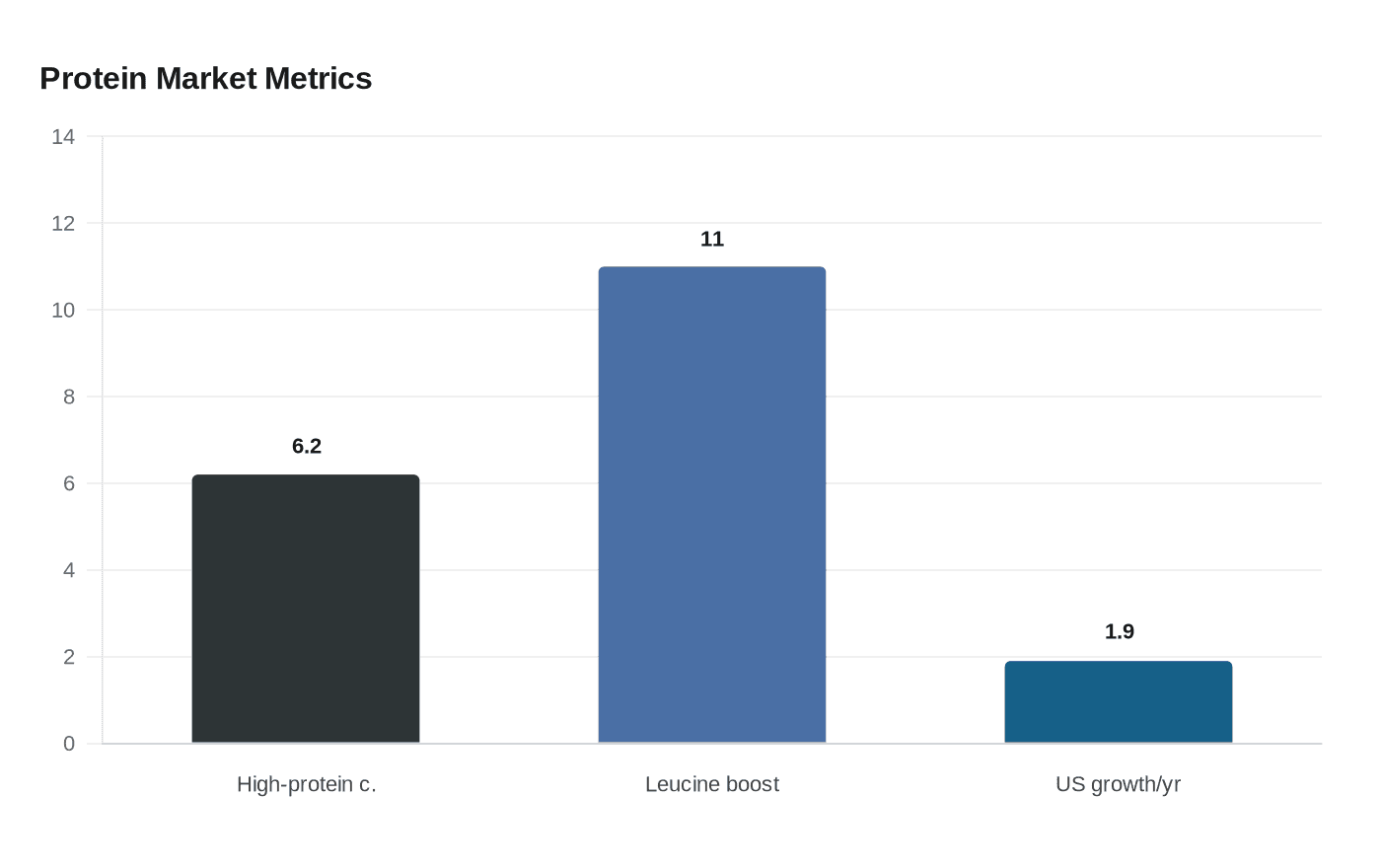
The market data backs up that broadening. In the United Kingdom, more than half of consumers now believe functional food and drink can deliver the same benefits as sports nutrition products. Mintel also found a 6.2% rise in food and drink products carrying a high or added protein claim between 2021 and 2023, a sign that protein has moved well beyond the training aisle. In the United States, Mintel estimated the protein market at $114.4 billion in 2024, with growth projected at 1.9% annually through 2028.
Casein is regaining attention because recovery is getting more precise
One reason the category is diversifying is that not all protein behaves the same way. Casein is back in the conversation because it fits a very specific use case: slower, sustained amino acid delivery, especially overnight. A 2023 study in young men found that both casein and whey taken before sleep increased overnight myofibrillar protein synthesis versus placebo, which reinforces casein’s relevance for recovery-oriented products.
A 2025 narrative review sharpened that picture. Whey was described as rich in leucine and capable of triggering an acute anabolic response, while casein was linked to prolonged elevated aminoacidemia. That difference matters for brands building products around satiety, nighttime recovery or extended release, because the protein choice is increasingly tied to timing and format rather than a single broad performance promise.
Plant proteins are improving, but the formulation rules still matter
Plant proteins are not replacing dairy across the board, but they are becoming more credible as formulators solve more of the old gaps. The same 2025 review concluded that plant proteins and blends can produce comparable long-term adaptations when total protein and leucine thresholds are matched. That is an important nuance: the challenge is not simply whether a plant protein exists, but whether the full formula delivers enough of the right amino acids.
This is why plant-based innovation now centers on blending, amino acid balancing and application performance. Many plant proteins still face texture, solubility and amino acid completeness challenges, especially in bars, ready-to-drink shakes and hybrid products that need to survive processing without sacrificing taste. The practical takeaway for brands is clear: plant protein can work, but only when the formulation is engineered around the use case.
Precision fermentation is creating a third protein lane
Precision fermentation may be the most disruptive piece of the story because it offers dairy-like functionality without the same formulation constraints as conventional dairy. Verley says its precision-fermented whey proteins contain 11% more leucine than native whey protein, a detail that matters because leucine is closely tied to muscle protein synthesis. The company positions the proteins as stable, digestible and suited to active nutrition, which puts them squarely in the recovery and performance conversation.
Just as important, Verley says its proteins are designed to handle heat and acid while improving solubility and cold gelling. That opens the door to UHT beverages, sports nutrition products and other applications where conventional dairy proteins can struggle. In other words, precision fermentation is not only about nutritional claims; it is also about solving the processing problems that determine whether a protein can actually be used in a commercial product.
The real battleground is bars, RTDs, shakes and hybrids
The strongest theme running through the category is application flexibility. Brands do not just need protein, they need proteins that behave properly in bars, ready-to-drink formats, shakes and newer hybrid products that blur the line between sports nutrition and everyday functional food. Conventional dairy proteins can struggle in heat, acidic conditions and dense formulations, while many plant proteins lack essential amino acids, so the choice of ingredient now depends on the product architecture as much as the nutrition target.
There is also a long industry precedent for this functional mindset. USDA materials note that whey protein concentrate is used in sports beverages and nutritional bars, showing that sports nutrition has always depended on protein ingredients that can do more than sit on a label. The difference now is that the market expects more from the ingredient stack: stability, digestibility, solubility, texture and a clean path to a specific performance story.
What this fragmentation means for the next wave of products
The category is no longer organized around a single answer to “what is the best protein?” Instead, it is sorting itself by use case. Casein is gaining relevance where prolonged delivery and overnight recovery matter, plant proteins are improving where wellness, flexibility and scale matter, and precision-fermented dairy proteins are emerging where performance claims and processing performance need to coexist.
That is why sports nutrition is turning into a broader active-nutrition platform. Protein has become the core building block around which more products will be built, but the winning formulas will not all look the same. The brands that move fastest will be the ones that treat protein as a functional system, not a commodity ingredient, and match the protein source to the consumer moment with enough scientific and manufacturing credibility to make the claim stick.
This article was produced by Prism’s automated news system from verified source data, official records, and press releases, then run through automated quality and moderation checks before publishing. The system is built and supervised by the people who set the standards it runs under. Read our full AI policy.
Did this article answer your question?