Protein bars raised calorie intake and body fat in a week
A 180-calorie protein bar a day pushed healthy young adults’ calorie intake up 7% to 13% and body fat up 3% in just seven days.
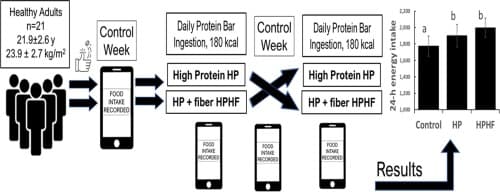
Protein bars sell on the promise of control, but in a crossover trial from Arizona State University, one daily 180-calorie bar did the opposite. In 21 healthy adults, average 24-hour energy intake rose significantly by 7% to 13% during the weeks bars were eaten, and body fat mass was up 3% after just one week compared with the control week.
The study followed adults with a mean age of 21.9 years, plus or minus 2.6 years. Participants logged food and beverage intake in a smartphone app, rated appetite on 100-mm visual analogue scales, and had body composition measured at baseline and after each one-week feeding phase. The trial also compared bars with added fiber against bars without it, and found no meaningful difference between the two versions for energy intake or appetite scores.

That matters because the health halo around protein snacks is built partly on the idea that they tame hunger. This trial found no such edge. The authors reported that average 24-hour energy intake climbed during both bar weeks, while body fat mass was significantly elevated at the end of each feeding period. Max Lugavere drew attention to the findings, underscoring the gap between protein-bar marketing for weight loss and what the data showed in healthy young adults.
The paper, titled Daily ingestion of protein bars (with or without added fiber) increased energy intake and body fat mass after one week in healthy adults: A crossover trial, was published in Journal of Functional Foods in May 2023. The authors noted that the global protein bar market is rapidly escalating, even as controlled trials on the dietary impact of these products have been scarce. Broader market research backs that commercial momentum: estimates put the protein bar category in the multibillion-dollar range, with continued growth projected.

The key takeaway is not that protein is the enemy of satiety, but that a bar is not the same as a bowl of Greek yogurt, eggs, beans, or a chicken breast. In this study, a packaged 180-calorie snack, eaten daily by healthy adults, nudged intake upward rather than down. That makes the trial a sharp reality check for a category built on the language of fullness, function and weight management. The same research group had previously found in a 2012 crossover study that nutrition bars high in protein or carbohydrate did not change 24-hour energy intake in healthy young adults, making this newer one-week result especially notable.
This article was produced by Prism’s automated news system from verified source data, official records, and press releases, then run through automated quality and moderation checks before publishing. The system is built and supervised by the people who set the standards it runs under. Read our full AI policy.
Did this article answer your question?