Protein becomes a mainstream wellness staple, Leger finds
Protein is now a daily wellness habit for 85% of U.S. consumers, and nearly half already build it into their routines.

Protein has moved well beyond the gym floor. Leger’s 2026 Health and Wellness Toolkit shows a nutrient that is now treated as a mainstream wellness essential, with 85 percent of U.S. consumers saying protein matters to their health goals and nearly half saying it is part of their daily routine.
The broader message is just as important as the headline number. Consumers are no longer talking about protein only in the language of muscle building. Leger says the nutrient is increasingly linked with weight management, satiety, sleep quality and long-term vitality, a shift that puts protein in the center of everyday eating rather than on the edge of fitness culture.
That change helps explain why food and beverage brands are building around protein across more than one aisle. Leger points to dairy, breakfast foods, snack bars, smoothies and prepared meals as familiar formats where protein now fits naturally. In those categories, protein is becoming an expectation rather than a point of difference, which means brands can no longer rely on the claim alone to stand out.
Once a benefit becomes standard, the competition changes. Leger says the next battle is moving toward texture, flavor, convenience and additional health benefits, especially as consumers look for products that do more than just deliver grams of protein. That creates a more demanding market, but also a larger one, because protein is now doing work across breakfast, snacking, meal occasions and on-the-go nutrition.
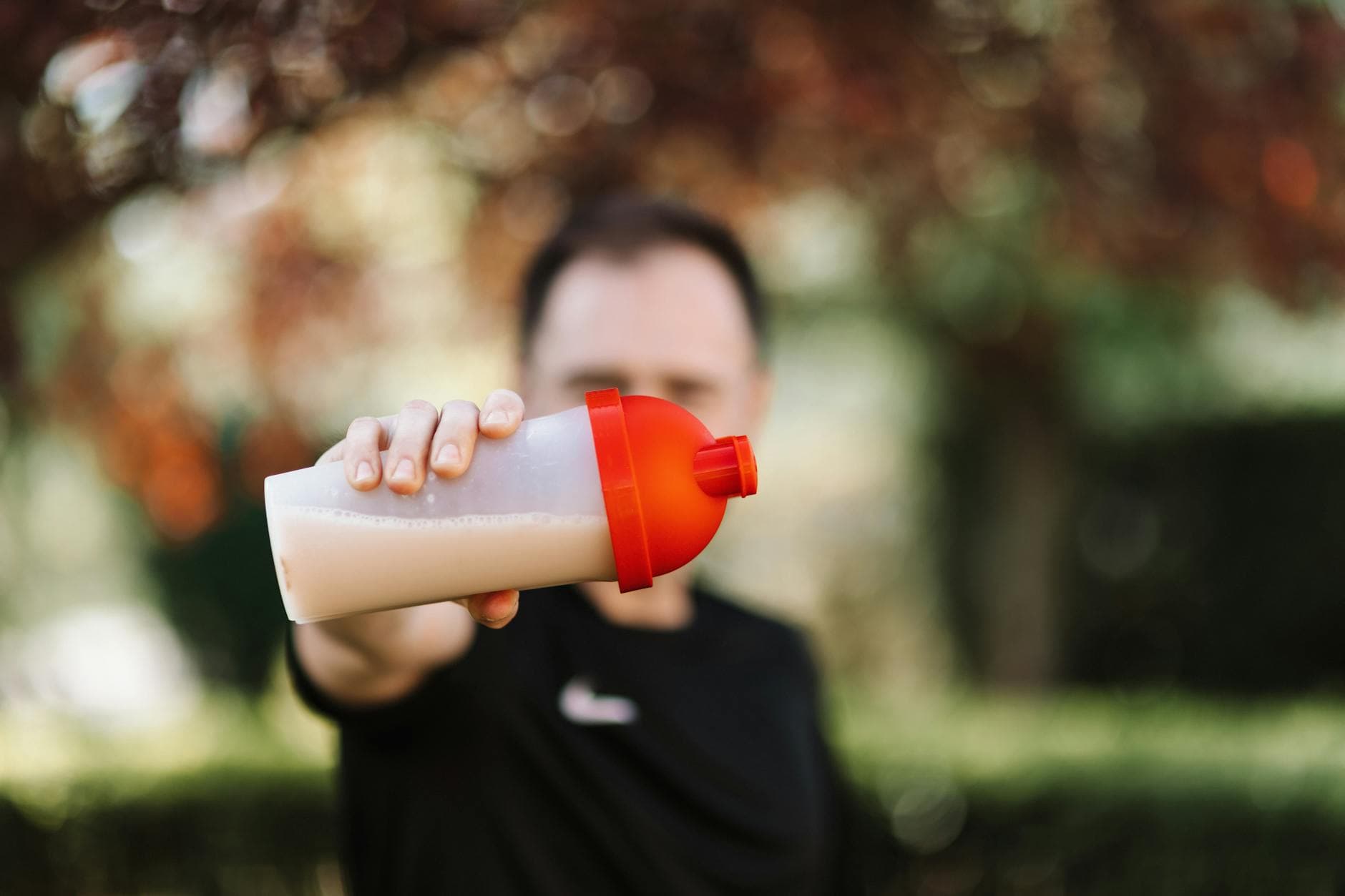
The toolkit also shows that protein is not traveling alone. Consumer interest is expanding toward fiber, gut health and the microbiome, suggesting the next phase of functional nutrition will stack benefits instead of replacing protein with the next trend. That matters for brands trying to build a durable message: protein still anchors the aisle, but the strongest products will connect that anchor to digestion, balance and total wellness.
Leger’s read points to a more mature consumer mindset, one shaped less by rapid physique change and more by prevention, energy and sustainable habits. In that environment, protein is no longer a niche signal for fitness consumers. It has become a default part of how shoppers define everyday health.
This article was produced by Prism’s automated news system from verified source data, official records, and press releases, then run through automated quality and moderation checks before publishing. The system is built and supervised by the people who set the standards it runs under. Read our full AI policy.
Did this article answer your question?