Protein becomes restaurant shorthand for value, health and satisfaction
Protein is now a menu signal for fullness, value, and health, and restaurants are using it to make higher prices feel easier to justify.
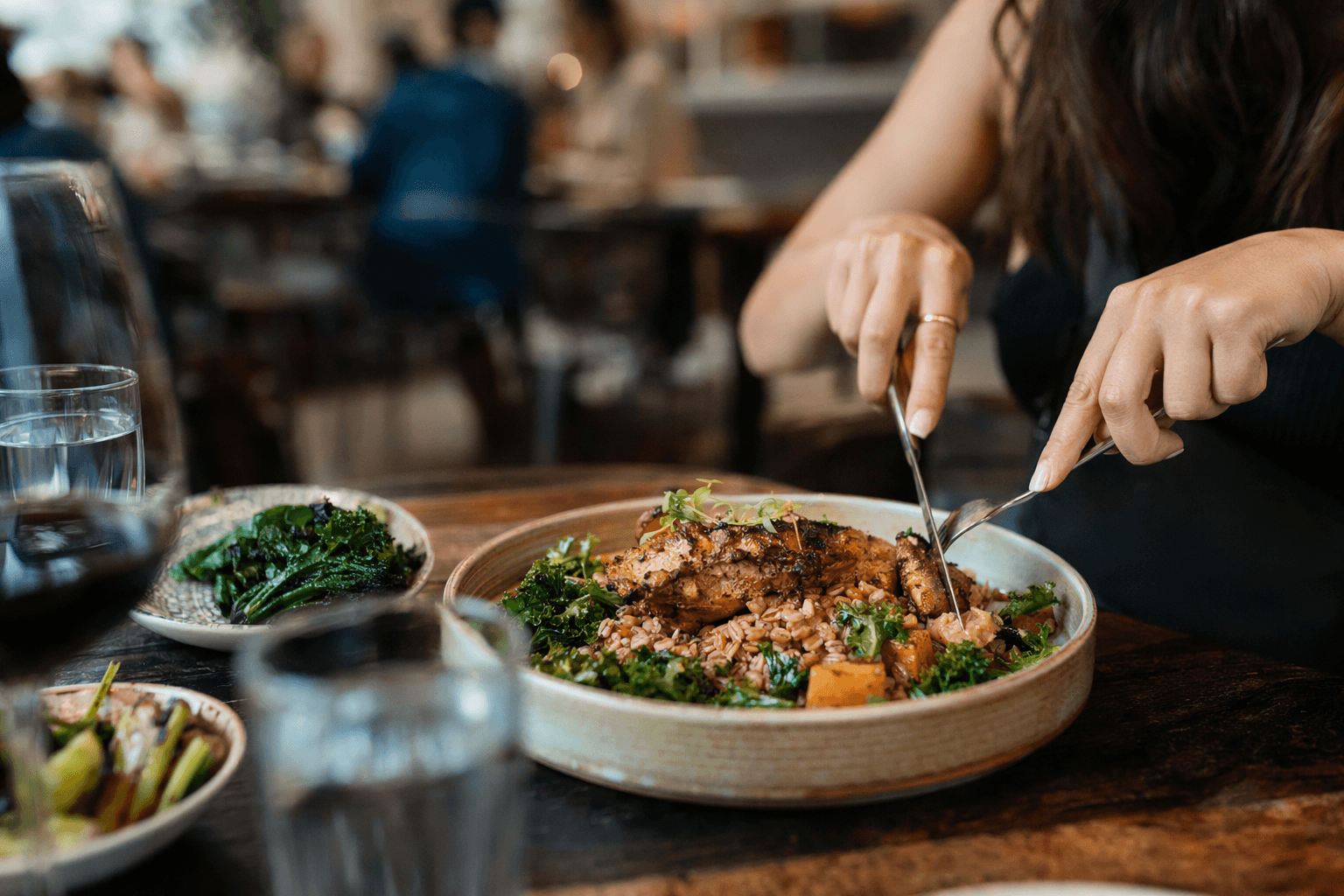
Protein has become a promise, not just a nutrient
Protein is no longer sitting quietly in the nutrition panel. On restaurant menus, it has become a shorthand for a meal that feels filling, intentional, and worth the money, which is exactly why operators are pushing it into bowls, breakfasts, salads, shakes, beverages, and even cold brew. That shift matters in an inflation-conscious dining market, where a clear protein callout can do the work of both reassurance and persuasion.
The appeal is bigger than fitness culture now. Protein speaks to a diner who wants satiety, a guest who wants muscle support, and a customer who simply wants to feel smart about spending. In that sense, the word has moved from a dietary term into a value signal that helps restaurants connect health, indulgence, and price in one compact cue.
Why the cue lands so hard with guests
Datassential’s consumer data shows why protein has become so powerful on menus. Roughly two-thirds of consumers believe they alone can determine what foods are best for them, and a similar share say personal choice matters more than public health policy. That mindset leaves plenty of room for a restaurant to influence decision-making with a simple label that feels personal rather than prescriptive.
The numbers behind protein interest are striking. Datassential says 66% of consumers are interested in high-protein products, and 75% say they actively think about protein intake every day. Huy Do of Datassential describes protein as easy for consumers to latch onto because it works across different motivations at once, from satiety for weight-conscious diners to muscle support for active consumers to value for budget-conscious customers.
That flexibility is exactly what makes protein a menu-writing tool. A protein callout does more than describe composition. It frames the dish as purposeful, which can help justify a premium price or make a familiar item feel upgraded.
The restaurant playbook is getting more explicit
Restaurants are no longer burying protein in fine print. They are making it visible in menu architecture, calling out grams, building protein-forward bowls, and extending the cue into beverages and breakfast items where the benefit is easy to understand at a glance. The result is a menu language that feels direct, modern, and commercially useful.
Restaurant Business has shown how widespread that shift has become. It reported that chains were promoting protein-rich breakfasts, bowls, salads, shakes, beverages, and more, while nearly 50% of consumers said they would switch restaurant brands for meals with more protein options. That is not just a health trend. It is a loyalty lever.
The chain examples make the strategy concrete. Panda Express introduced five Balanced Protein Plates, with some plates reaching up to 76 grams of protein. Sweetgreen’s Power Max Protein Bowl went even further, topping out at 106 grams of protein. Smoothie King has also leaned into high-protein snacks, showing how far the cue has moved beyond traditional entrees.
Why protein works in an uncertain health environment
The protein boom is happening at the same time as a lot of consumer confusion. The International Food Information Council says 1 in 3 Americans increased their protein intake over the past year, but 8 in 10 are unaware or unsure of how much protein they should consume daily. Even among those who think they know, more than half say the amount is 50 grams or less.
That gap between enthusiasm and certainty gives restaurants an opening. If diners are unsure about the science, they still know what a protein-forward item is supposed to do for them: keep them full, support energy, and feel like a better use of their money. IFIC also says 8 in 10 Americans prioritize protein during at least one eating occasion each day, and half believe protein supports muscle health and strength, endurance, and energy.
The trend is being amplified by broader wellness forces too. IFIC says the protein boom is being driven by media attention, GLP-1 medications, weight management, fitness, energy, and healthy aging. In its 2025 Food & Health Survey, consumers used “good source of protein” as the top criterion for defining a healthy food, which shows how deeply protein has entered everyday health language.
What operators are really selling when they sell protein
Protein is doing a lot of jobs at once. It helps a dish look more substantial, makes a menu item easier to price, and gives consumers a simple rationale for choosing one option over another. In a crowded marketplace, that clarity can be as valuable as the ingredient itself.
Latitude Food Group has already acted on that insight, saying that &pizza and Tijuana Flats were refreshing menus with high-protein, customizable options designed to better serve guests incorporating GLP-1 into their lifestyles. That is a useful signpost for where the category is headed: not just toward bigger portions of protein, but toward more personalized menu design that answers specific needs without sounding clinical.
The FDA’s Daily Value for protein is 50 grams, and that benchmark helps explain why gram counts resonate so easily. It gives diners a familiar reference point, even if their actual needs differ. For restaurants, that makes protein one of the cleanest forms of menu shorthand available right now.
The next stage is not just more protein, but smarter protein cues
The most important thing about protein in restaurants is that it is no longer a background nutrient. It is a cue that can shape how guests read the whole menu, from breakfast bowls to beverage add-ons. The brands that are using it well are not merely following a trend, they are translating a complicated wellness conversation into something guests can process in a second.
That is why protein keeps showing up in so many formats at once. It helps a customer feel full, helps a brand feel current, and helps both sides agree on value without saying the word outright. In today’s menu language, that may be the strongest selling point of all.
This article was produced by Prism’s automated news system from verified source data, official records, and press releases, then run through automated quality and moderation checks before publishing. The system is built and supervised by the people who set the standards it runs under. Read our full AI policy.
Did this article answer your question?