Legumes and soy linked to lower hypertension risk, study finds
Swapping some animal protein for legumes or soy could mean a real blood-pressure edge: high intake was tied to 16% lower hypertension risk, and soy to 19% lower.

If you are looking for a practical protein swap with a measurable blood-pressure payoff, legumes and soy are the foods to watch. A pooled analysis of 12 prospective cohort studies found that higher intake of both was associated with a lower risk of developing hypertension, with high legume intake linked to a 16% lower risk and soy intake linked to a 19% lower risk.
The analysis pulled data from more than 309,000 participants across the United States, Asia and Europe, giving the findings unusual weight for a nutrition story that will land with product developers, retailers and foodservice operators alike. It does not prove causation, because cohort evidence can only show association, but it does strengthen the case for building everyday eating patterns around recognizable plant proteins rather than treating them as niche wellness add-ons.
The most useful detail for anyone thinking in servings, not slogans, was the dose-response pattern. Risk fell in a roughly linear way up to about 170 grams per day for legumes, which suggests that frequency and portion size may matter as much as whether the food shows up as chickpeas, lentils, beans or split peas. That is the kind of signal ingredient teams can work with: not just “plant-based,” but a clearer message built around specific foods and actual intake levels.
Soy matters for the same reason. It is already embedded across tofu, tempeh, meat alternatives and hybrid foods, and this analysis gives those products a more concrete health frame than sustainability alone. For brands trying to move past broad plant-protein positioning, the finding offers a cleaner way to talk about cardiovascular wellness without stretching beyond the evidence.
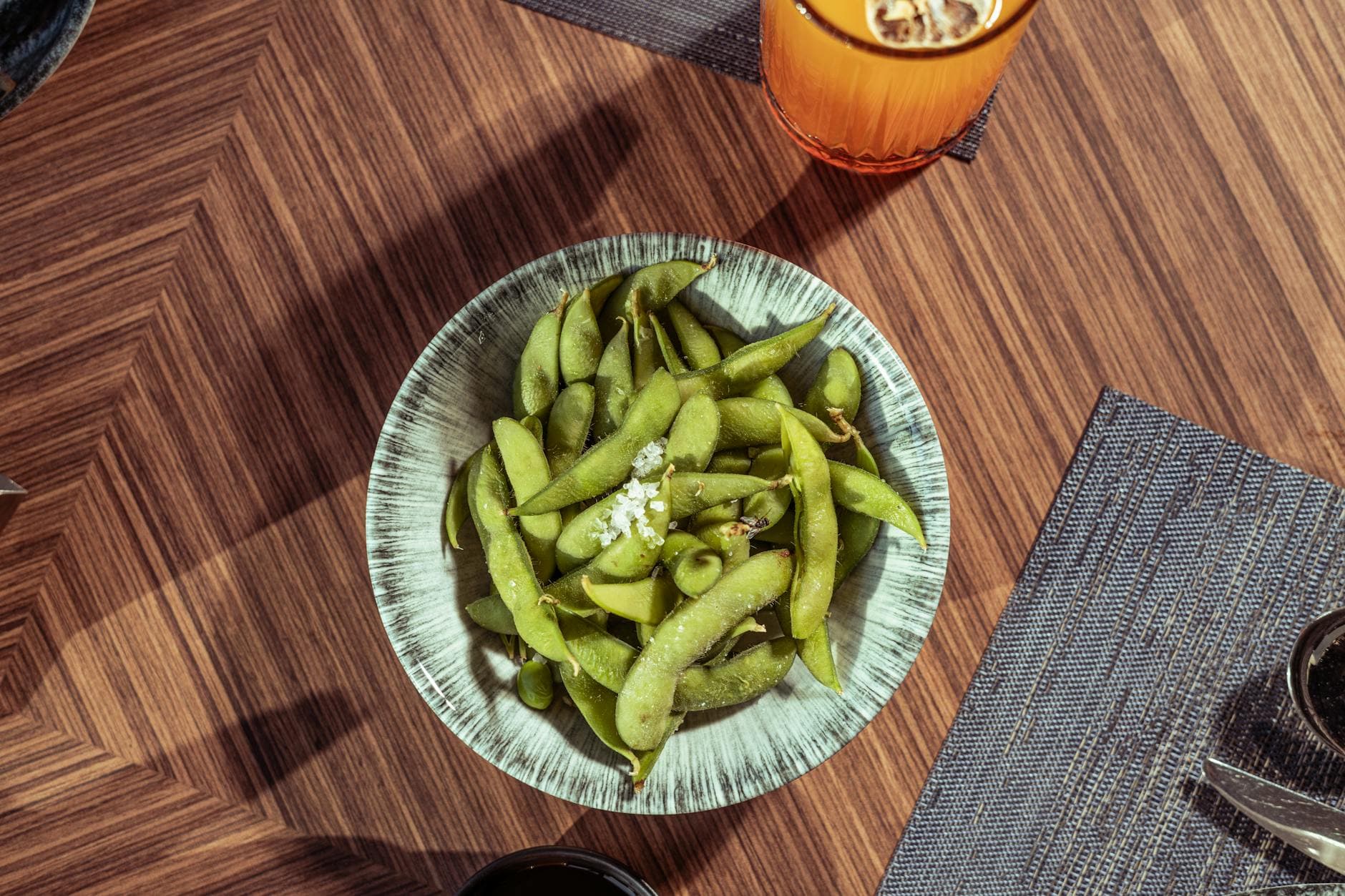
For consumers, the takeaway is straightforward: replacing part of the diet with legumes or soy may do more than add fiber and protein. In this dataset, it was linked with lower hypertension risk across a very large population sample, and the pattern held across three regions. That makes legumes and soy look less like a trend and more like a credible tool in the long game of blood-pressure prevention.
This article was produced by Prism’s automated news system from verified source data, official records, and press releases, then run through automated quality and moderation checks before publishing. The system is built and supervised by the people who set the standards it runs under. Read our full AI policy.
Did this article answer your question?