Protein Claims Face Skeptical Shoppers Demanding Proof, Taste, and Value
Protein claims are under pressure to prove more than macros. Shoppers now want taste, value, and clear evidence that a product actually delivers.

Protein claims now have to earn trust
The old playbook, where a big protein callout was enough to win attention, is losing power fast. New consumer research shows a sharper market split: shoppers want proof, while retailers want products that perform in the basket and in the mouth. That is why protein-forward foods are now judged on more than grams per serving. They have to taste good, feel satisfying, and carry an ingredient story strong enough to justify a premium.
That shift is pushing the category from claim-led marketing to evidence-led marketing. In practical terms, it means the products most likely to win are the ones that can prove their value with a combination of nutrition, sensory appeal, and real-world usefulness. It also explains the growing backlash risk for protein washing, ultra-processing concerns, and weak functional evidence. If a bar, shake, or snack talks loudly about protein but fails on taste or satiety, the claim can become a liability instead of an advantage.
What shoppers actually look for on pack
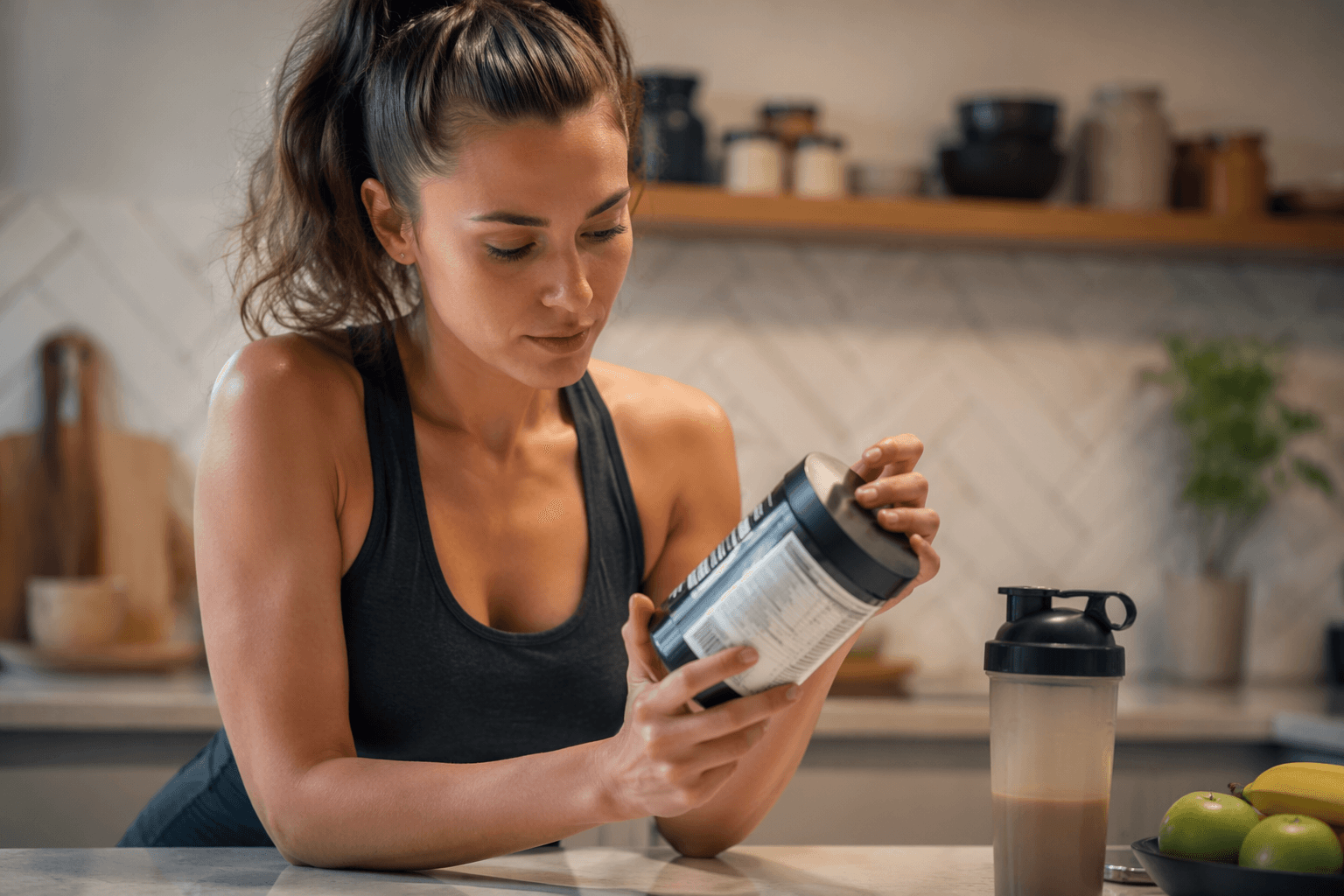
IFIC’s April 2026 Spotlight Survey makes the packaging story hard to ignore. In a survey of 1,017 U.S. adults ages 18 and older, two in three Americans said they look for some type of nutrition information on the front of food packaging, while eight in 10 said they look on the back or side. That tells brand teams something important: the front panel may trigger the purchase, but the rest of the pack still has to close the deal.
Among shoppers who look for protein information, the most helpful details are protein source and protein amount, along with how protein contributes to daily needs. That is a useful roadmap for packaging hierarchy, especially for private label and mainstream brands that do not have heritage to lean on. Four in 10 Americans also associate “high-quality protein” with good taste, which is a revealing clue for formulators. Protein is no longer only a nutrition cue; for many shoppers, it is a taste expectation.
Protein has gone mainstream, but understanding has not caught up
IFIC’s 2025 Food & Health Survey shows how deeply protein has entered the American diet. Seventy percent of Americans said they try to consume protein in 2025, up from 59% in 2022. The same survey found that “good source of protein” is the top criterion Americans use to define a healthy food, which puts the nutrient near the center of the better-for-you conversation.
Yet the literacy gap is still wide. IFIC’s July 2025 Spotlight Survey found that 53% of respondents were unaware of how much protein they should consume daily, and another 26% were unsure. That gap matters because it leaves room for confusion, hype, and claims that sound persuasive but do little to educate. Brands that explain how a product fits into daily protein needs are better positioned than brands that simply repeat wellness slogans.
The takeaway for the aisle is straightforward: consumers want protein, but they want it in a form they can understand. Clear front-of-pack cues help get attention, while back-of-pack context helps build confidence. Without both, even a strong protein claim can feel thin.
Taste, texture, and value are now part of the protein equation
Cargill’s December 2025 consumer read reinforces the same reality from a business angle. The company said 70% of Americans want to consume more protein, nearly 20% more than three years earlier, and that 57% of consumers who look at nutrition labels search for protein. That is a huge signal for product development teams, but it is also a warning: more demand does not automatically mean more loyalty.
Cargill described development as a balancing act involving protein content, nutrition, texture, shelf life, value, and, most importantly, taste. That is exactly where many protein products break down. A high-protein formulation that dries out a bar, chalks a shake, or drives up price too far can lose the shopper before repeat purchase ever becomes possible.
For brands, this is where credible formulations matter most. The winning products are not just high in protein; they are built so the protein feels useful in the eating experience. That means less room for overpromising and more room for functional evidence that the product delivers on satiety, convenience, and everyday fit.
Protein and fiber are becoming the language of complete benefits
One of the clearest category developments is the pairing of protein with fiber. The combination feels more complete to shoppers, more functional to formulators, and more aligned with everyday eating goals. Brightfield Group and other trend analyses have described protein plus fiber as a key functional combination, and that story is showing up across bars, snacks, and other better-for-you formats.
Mintel’s January 2026 US Snack, Nutrition and Performance Bars report gives that trend a commercial backbone. It found that 83% of Americans purchased a snack bar in the previous three months, which confirms just how embedded bars are in the American diet. Mintel also said growth in nutrition and performance bars is being driven mainly by increased focus on protein and fiber, and that clear packaging communicating key benefits helps build health trust.
That matters because bars are one of the most visible test cases for the trust gap. They are expected to be convenient, portable, and credible at the same time. If the pack makes the benefit obvious and the formula delivers on taste and satiety, the product earns another look. If not, the shopper moves on quickly.
How brands can avoid the backlash trap
The category risk is not that protein will fade. The risk is that it becomes so common on pack that shoppers stop believing it means anything. To stay ahead of that backlash, brands need to tighten both communication and formulation.
- Lead with the protein source, not just the protein claim.
- State the amount clearly and show how it fits daily needs.
- Pair protein with fiber where the formulation genuinely supports that story.
- Keep taste and texture front and center, especially in bars and shakes.
- Use clean, understandable packaging language that explains the benefit instead of just repeating it.
- Be careful with broad wellness language that is not backed by a noticeable eating experience.
That is the new standard for better-for-you foods. Protein is still one of the most powerful on-pack promises in grocery, but it is no longer enough to promise more. The products that win will be the ones that prove they deserve the shelf space, the premium, and the repeat purchase.
This article was produced by Prism’s automated news system from verified source data, official records, and press releases, then run through automated quality and moderation checks before publishing. The system is built and supervised by the people who set the standards it runs under. Read our full AI policy.
Know something we missed? Have a correction or additional information?
Submit a Tip